• maiweb v0.1.0
  • ★
  • Feedback

yankodesign.com

Visit site ↗

All items hosted on this domain, most recent first.

  • Yanko Design yankodesign.com design product-design yanko-design 2026-06-18 22:30
    ↗

    The Paper Fan Just Lost Its Ribs. It’s Better For It.The Japanese paper fan is one of those objects that seems to have already said everything it has to say. It’s been refined over centuries,...

    The Japanese paper fan is one of those objects that seems to have already said everything it has to say. It’s been refined over centuries, grown into a cultural icon, and been replicated so many times that it barely registers as a design object anymore. It’s just a fan. You flap it at yourself on a hot day and move on. So when KUMAnoTE and Professor Jun Mitani released Orikaze, a ribless folded paper fan that holds its shape through geometry alone, it felt like a genuinely unexpected development.

    Let me explain the “ribless” part, because it’s more interesting than it sounds. Traditional Japanese fans, whether the folded sensu or the flat uchiwa, rely on an internal skeleton. Bamboo ribs, plastic frames, some kind of structure embedded within the paper to keep everything in shape. Without that skeleton, a fan is just a floppy sheet of material. Orikaze removes the skeleton entirely and replaces it with something far more elegant: the fold itself.

    Designers: KUMAnoTE x Jun Mitani
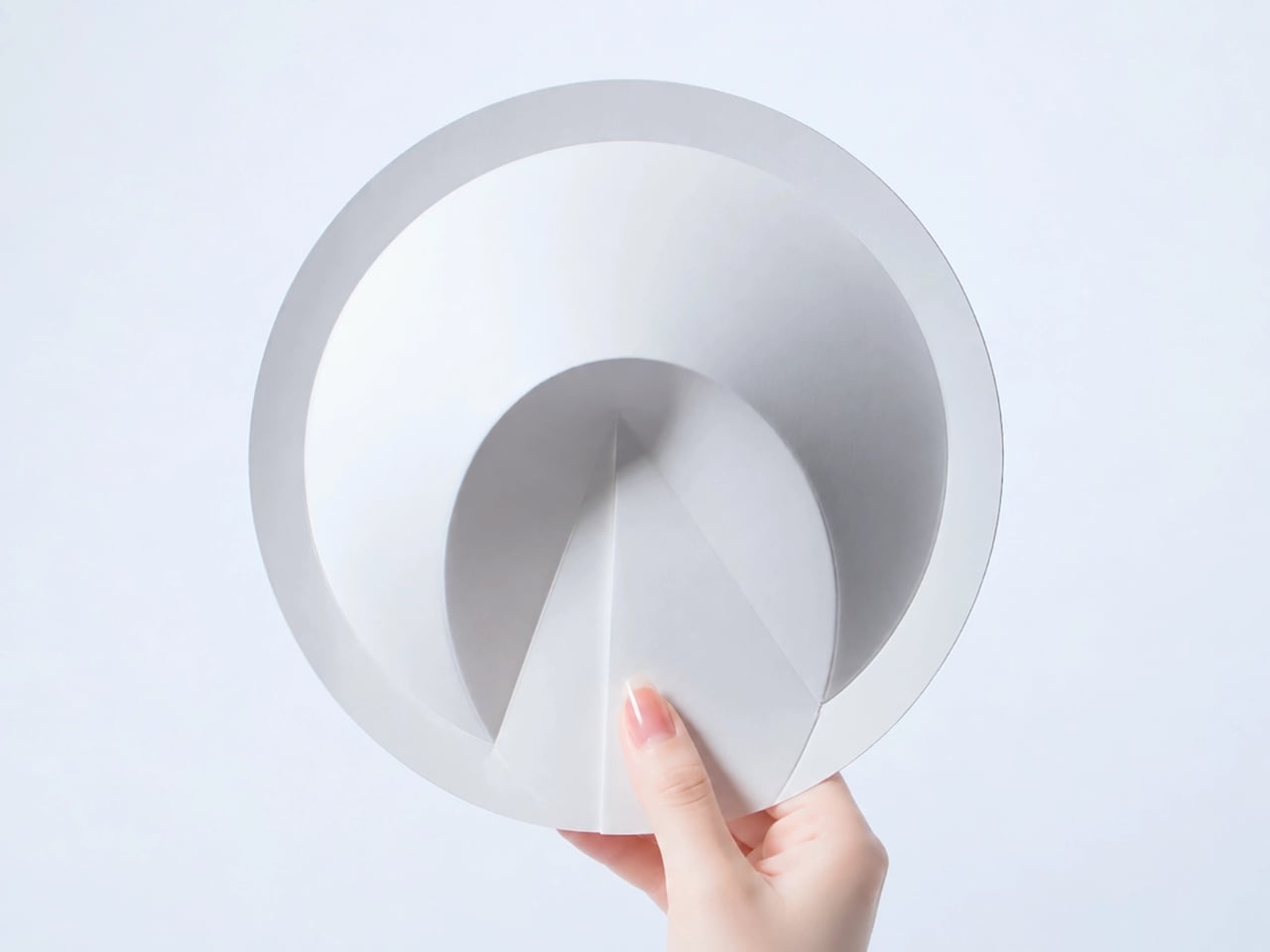
    The design uses a system of mountain and valley folds that transforms a single flat sheet of paper into a self-supporting structure. The geometry does the engineering. The paper doesn’t need a spine because the folds create rigidity, distribute force, and hold the form together. Professor Jun Mitani, who researches computational origami at the University of Tsukuba, brought the mathematical backbone to this project, and you can feel that precision in the result. It’s not just a clever idea pitched in a studio meeting. It’s a concept grounded in real structural logic.
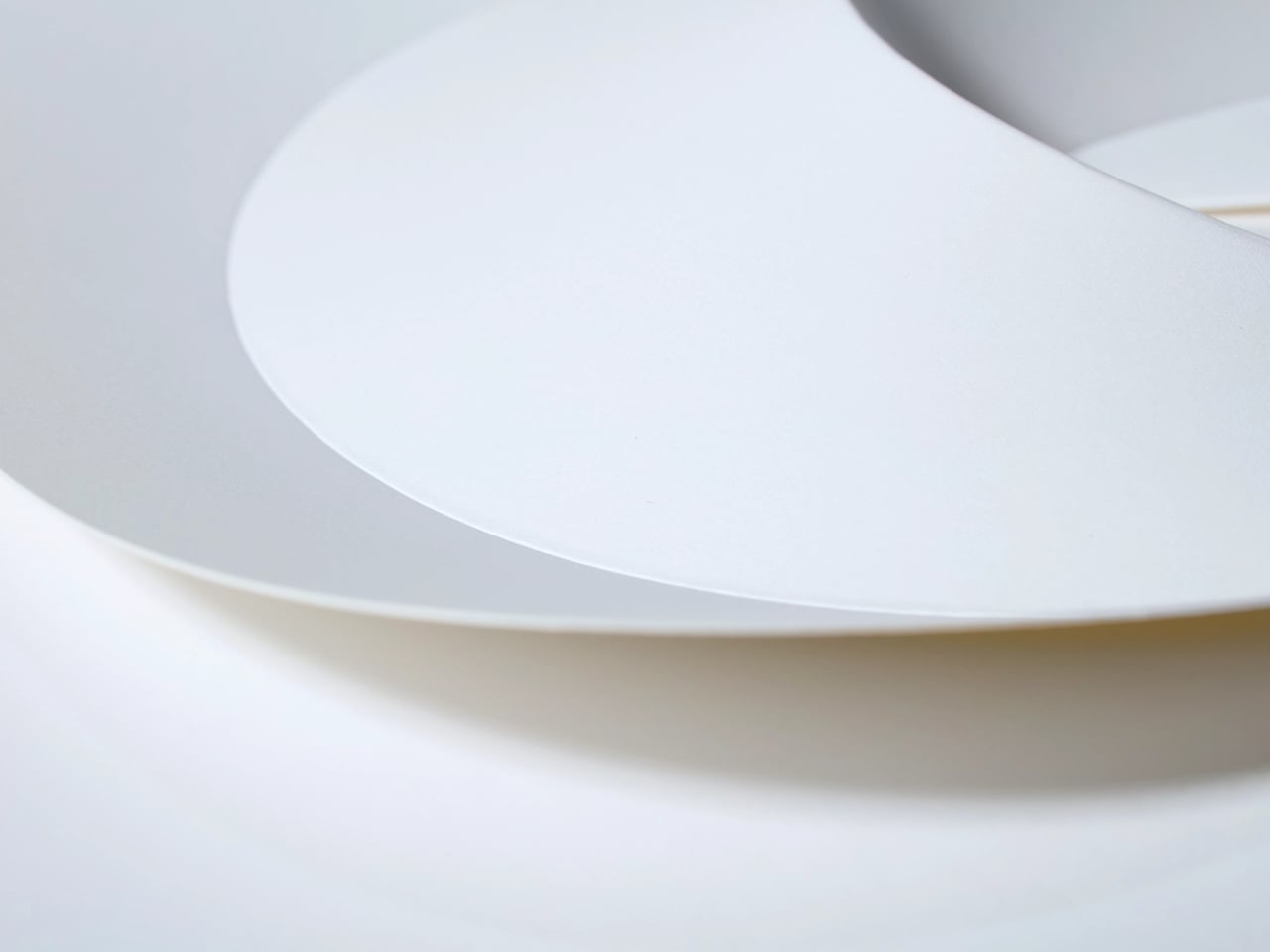
    Orikaze comes in three forms, named SORA, KAZE, and TSUCHI. Sky, wind, and earth. KUMAnoTE could have just called them A, B, and C, or given them abstract model numbers, but the naming choice tells you something about how seriously the studio took the project. These are elemental references, and the visual result earns them. The folded surfaces catch light differently depending on the angle, throwing subtle patterns of shadow across the paper as you move the fan. It shifts. It breathes. For an object this simple, it does a remarkable amount of visual work.
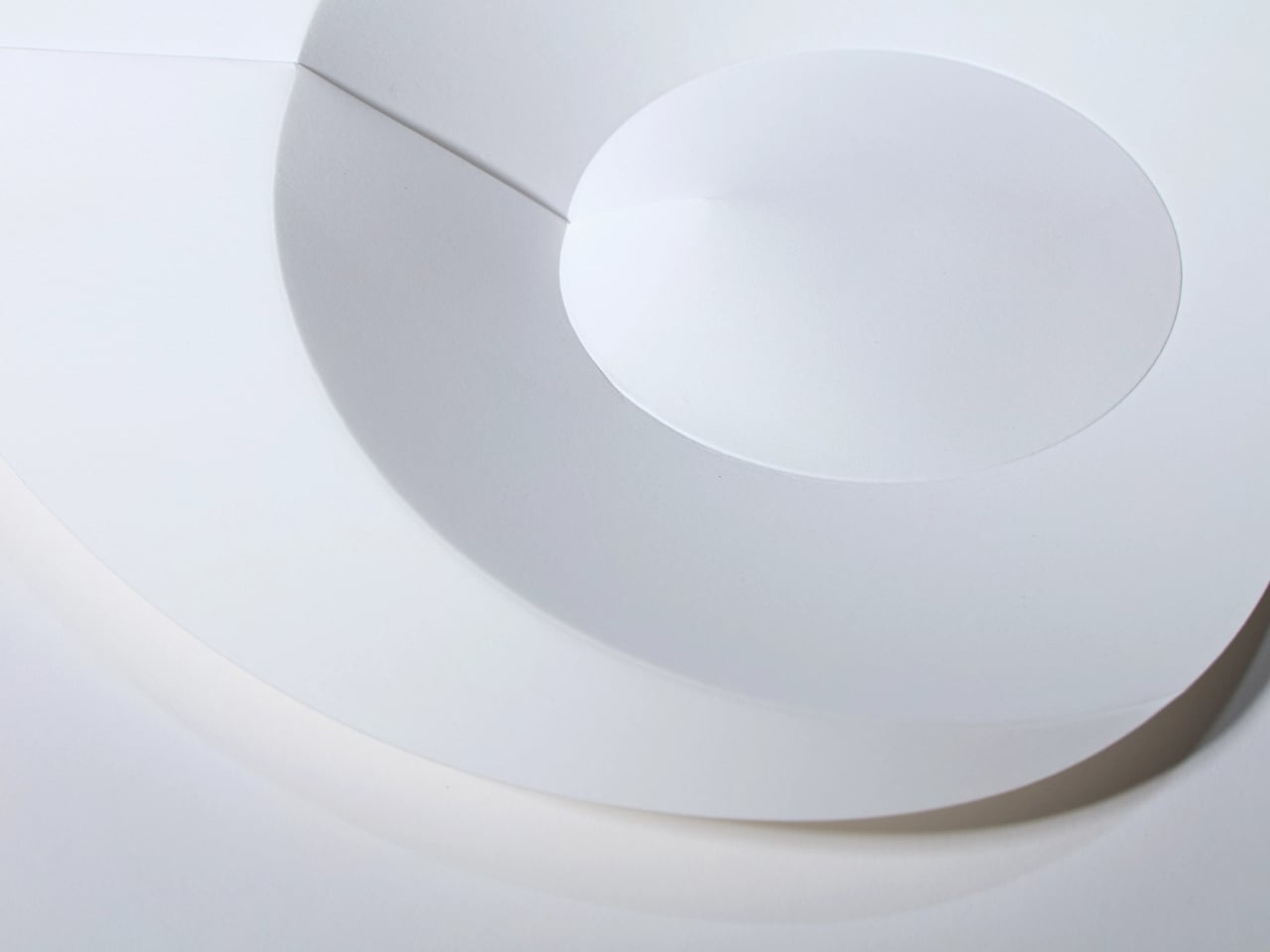
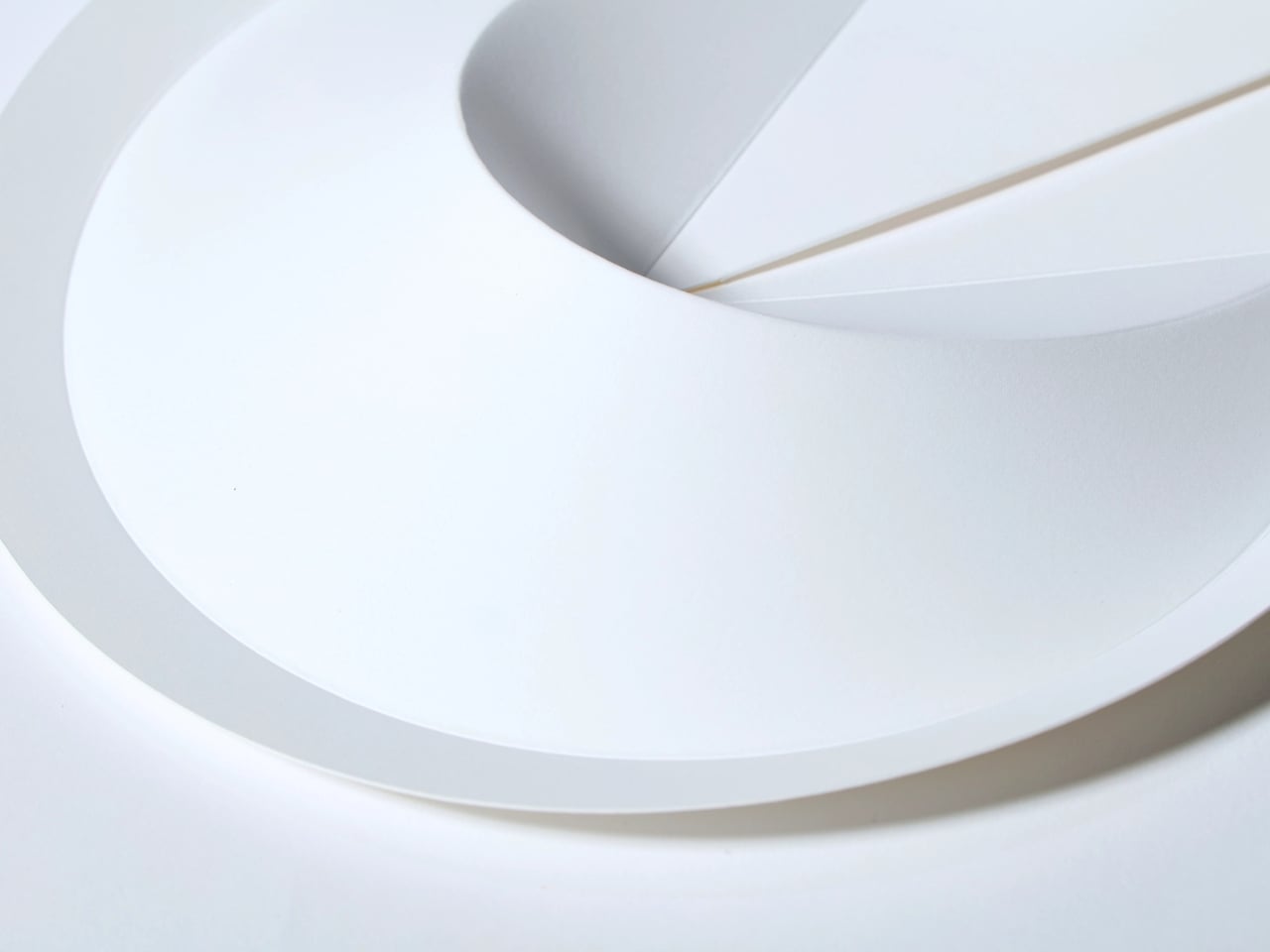
    The design also exists in graphic editions. KUMAnoTE collaborated with graphic designer COYA on versions featuring Japanese yokai folklore motifs, and with Japanese fashion brand SNEEUW on a separate set. The structural logic remains the same across all editions; only the visual layer changes. That flexibility reveals something important about what Orikaze actually is. It’s not just a fan. It’s a design platform, a structure capable of carrying different visual conversations without losing its essential character.
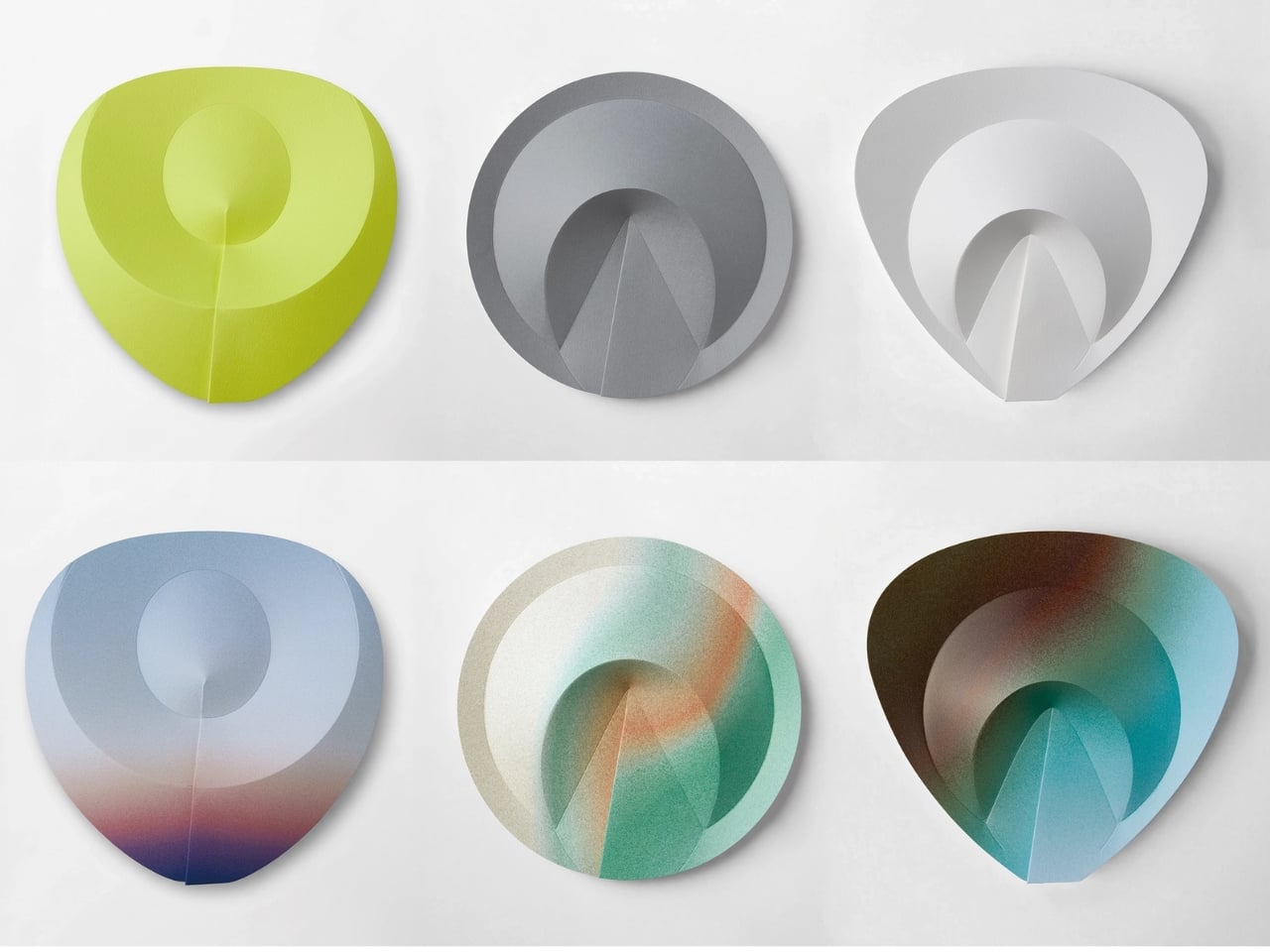
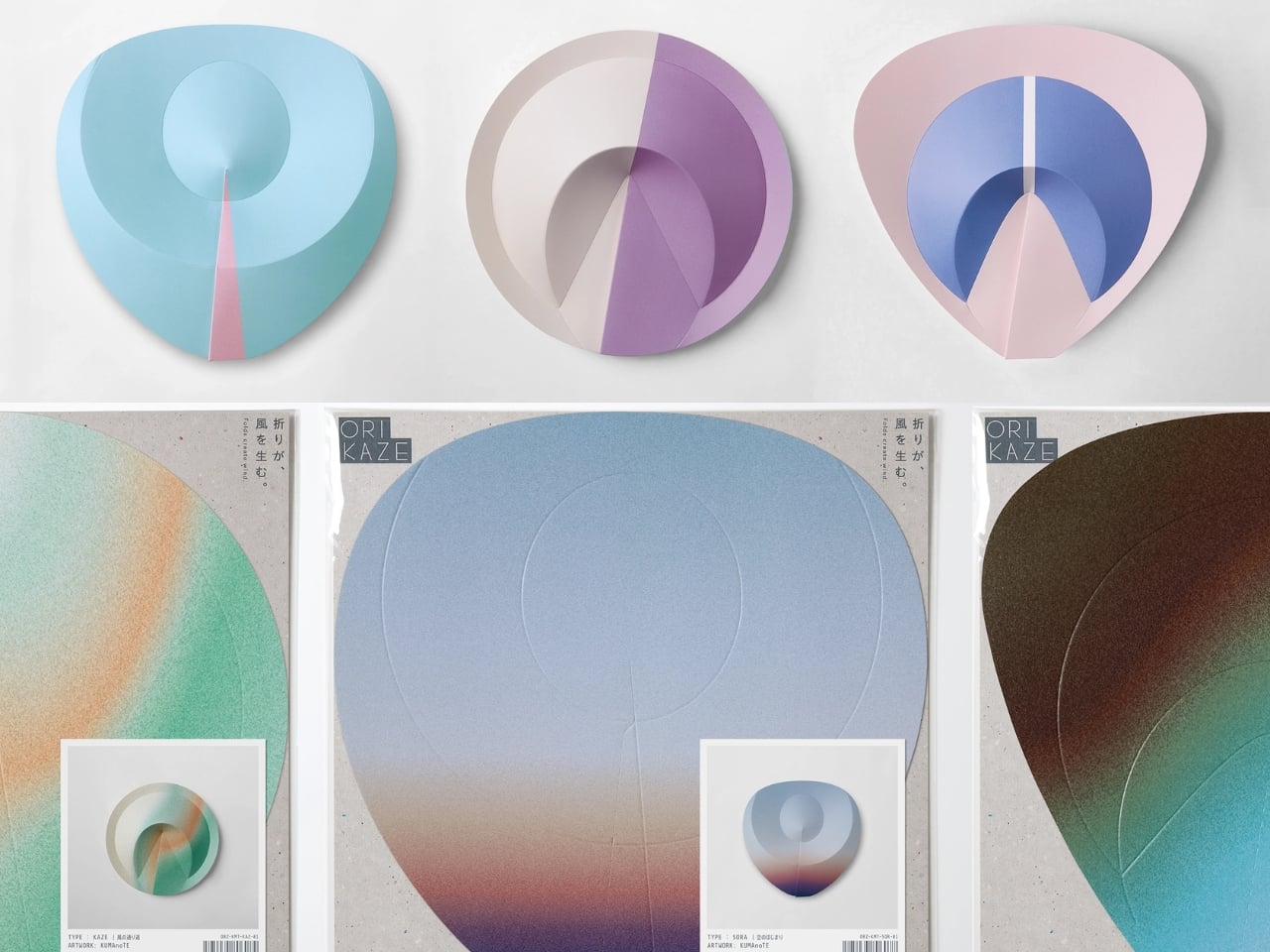
    Orikaze was presented at Interior Lifestyle Tokyo 2026 and is scheduled for release in summer 2026. Interior Lifestyle Tokyo is a trade show with genuine curatorial weight, so the placement isn’t incidental. The audience there isn’t shopping for novelties. They’re looking at direction, at ideas that signal where design is going. That context positions Orikaze as exactly what it appears to be: a serious design object that happens to be a fan.
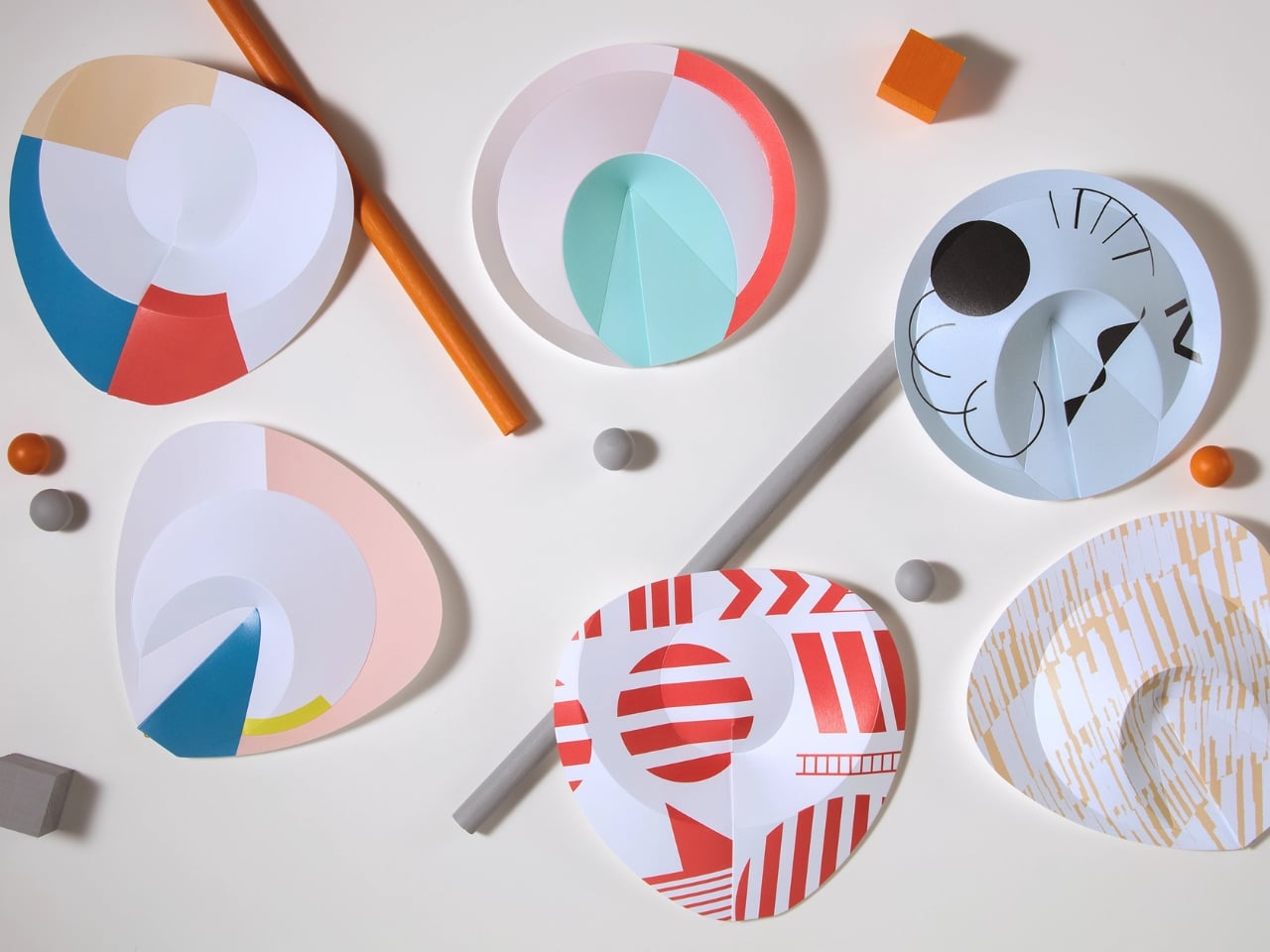
    My honest read on this project is that it succeeds because it doesn’t try to replace the traditional fan. It converses with it. The sensu has survived for over a thousand years because it solves a basic human problem well and does it beautifully. Orikaze doesn’t argue against that. It asks: what if we looked at the same problem with fresh eyes and different tools? What does paper actually need in order to become a fan? And then it answers that question through mathematics rather than materials.
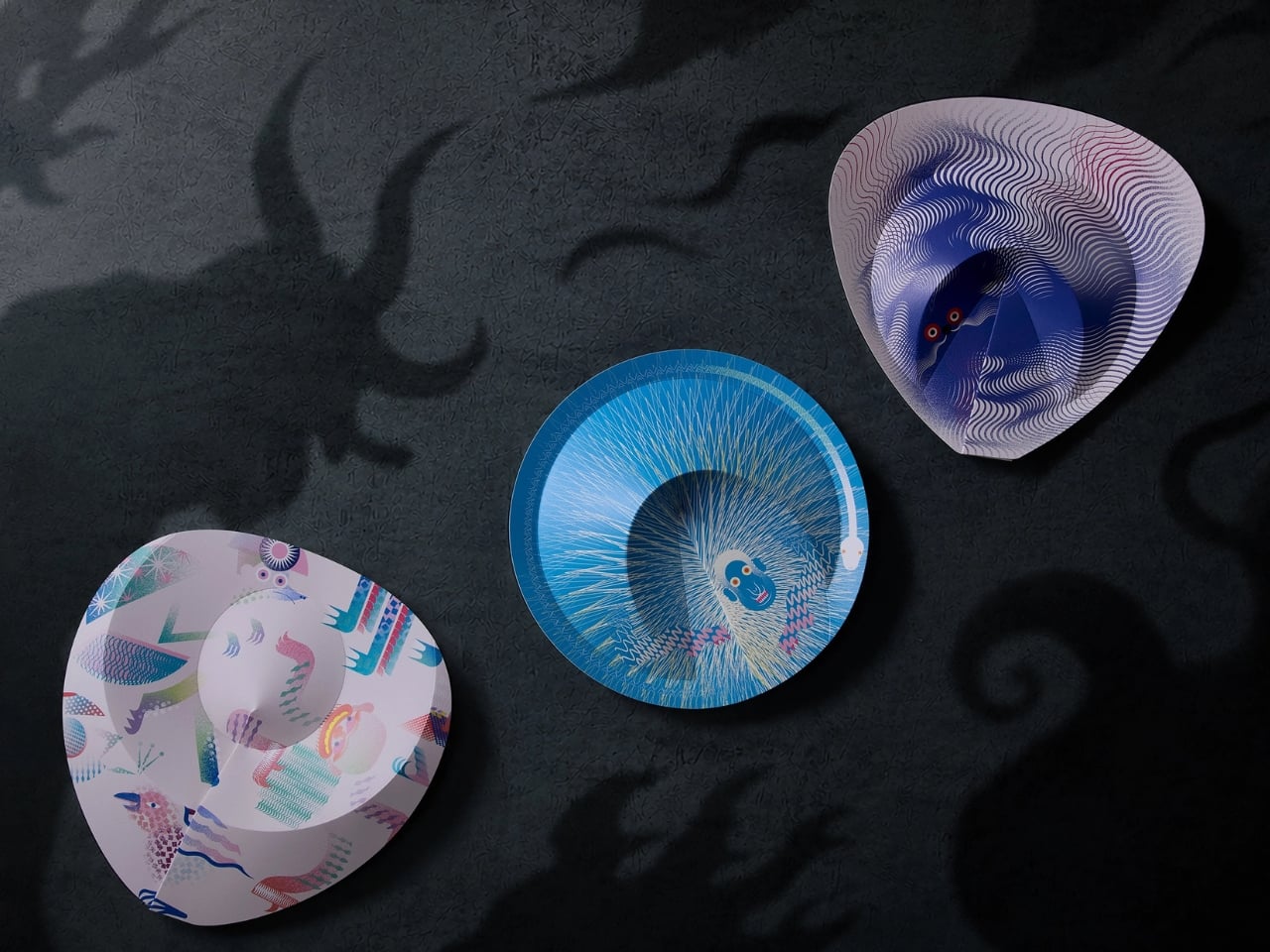
    That kind of thinking, where the constraint becomes the creative engine rather than the limitation, is rare in design. Most redesigns add. They layer on new materials, new mechanisms, new technology. Orikaze subtracts. It removes the internal frame and trusts the paper to do more than we usually ask of it. The result is lighter, quieter, and somehow more considered than anything with more moving parts. That restraint is the whole point. And the paper fan, it turns out, still has things to say.
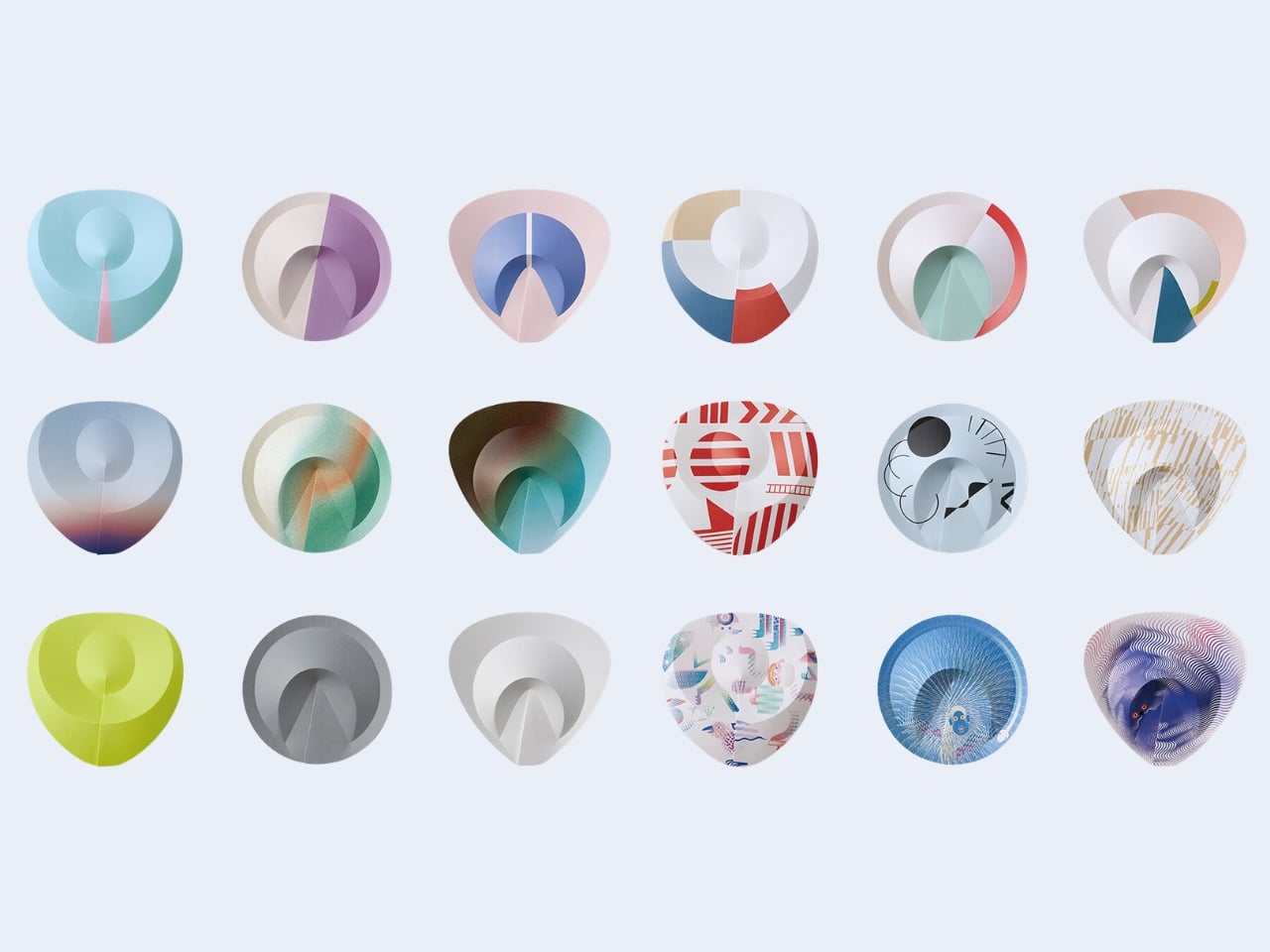
    The post The Paper Fan Just Lost Its Ribs. It’s Better For It. first appeared on Yanko Design.
  • Yanko Design yankodesign.com design product-design yanko-design 2026-06-18 21:34
    ↗

    HONOR packed a 35-day battery into a 41g smartwatch – and nothing else comes closeEvery smartwatch eventually comes off. The reasons vary: the charge ran out, the case dug in, the weight got old. Battery anxiety and wrist fatigue...

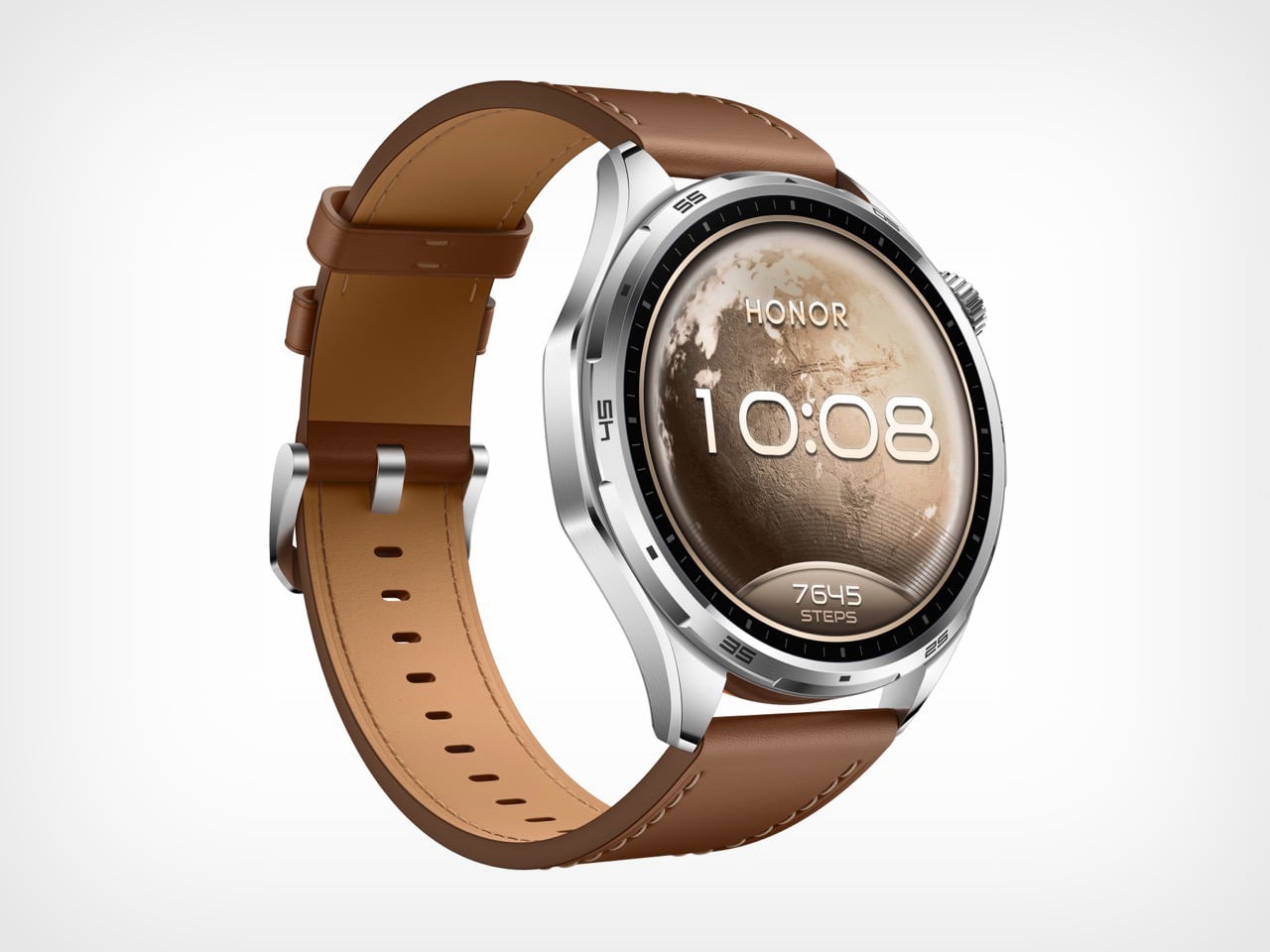
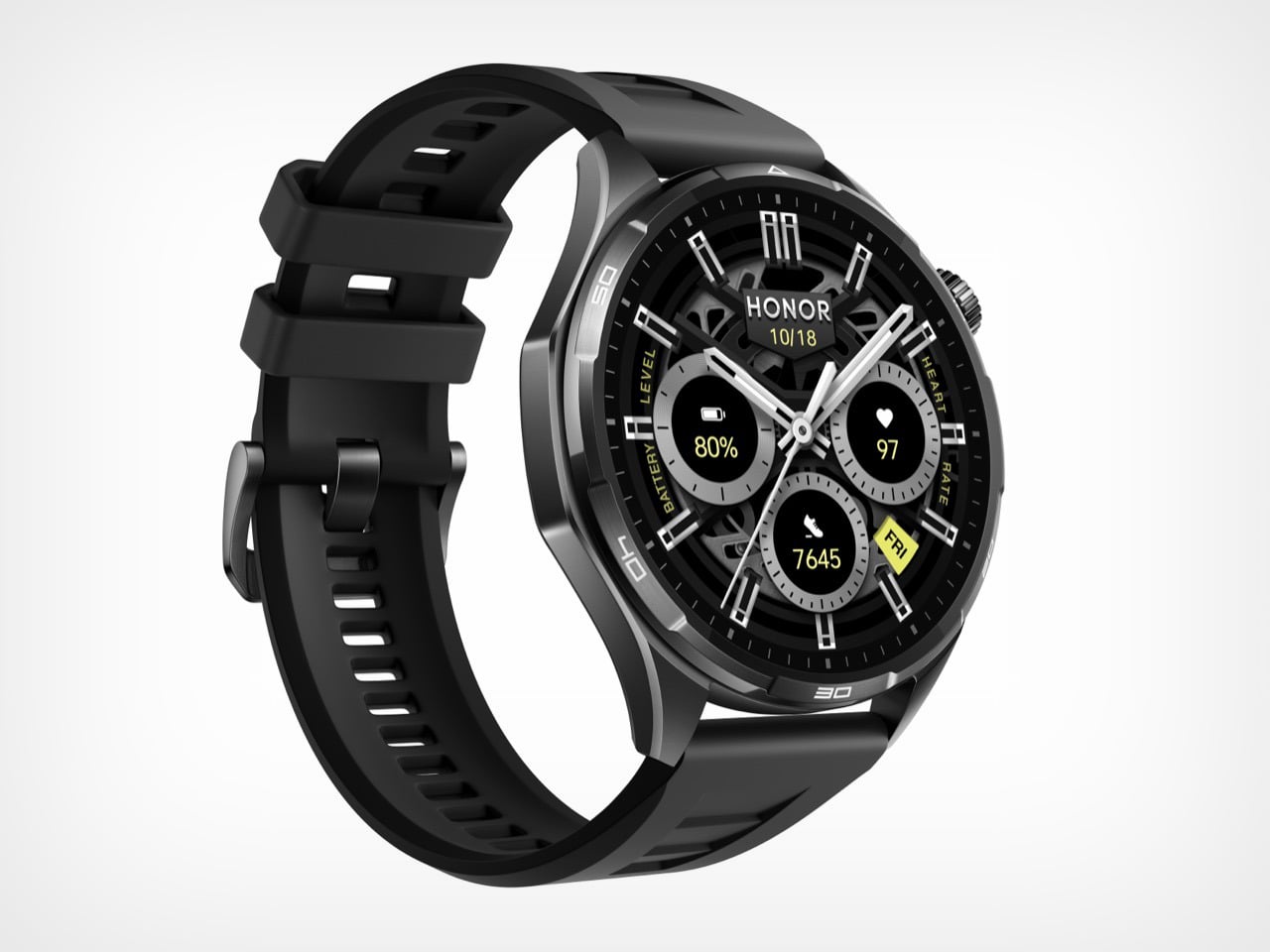
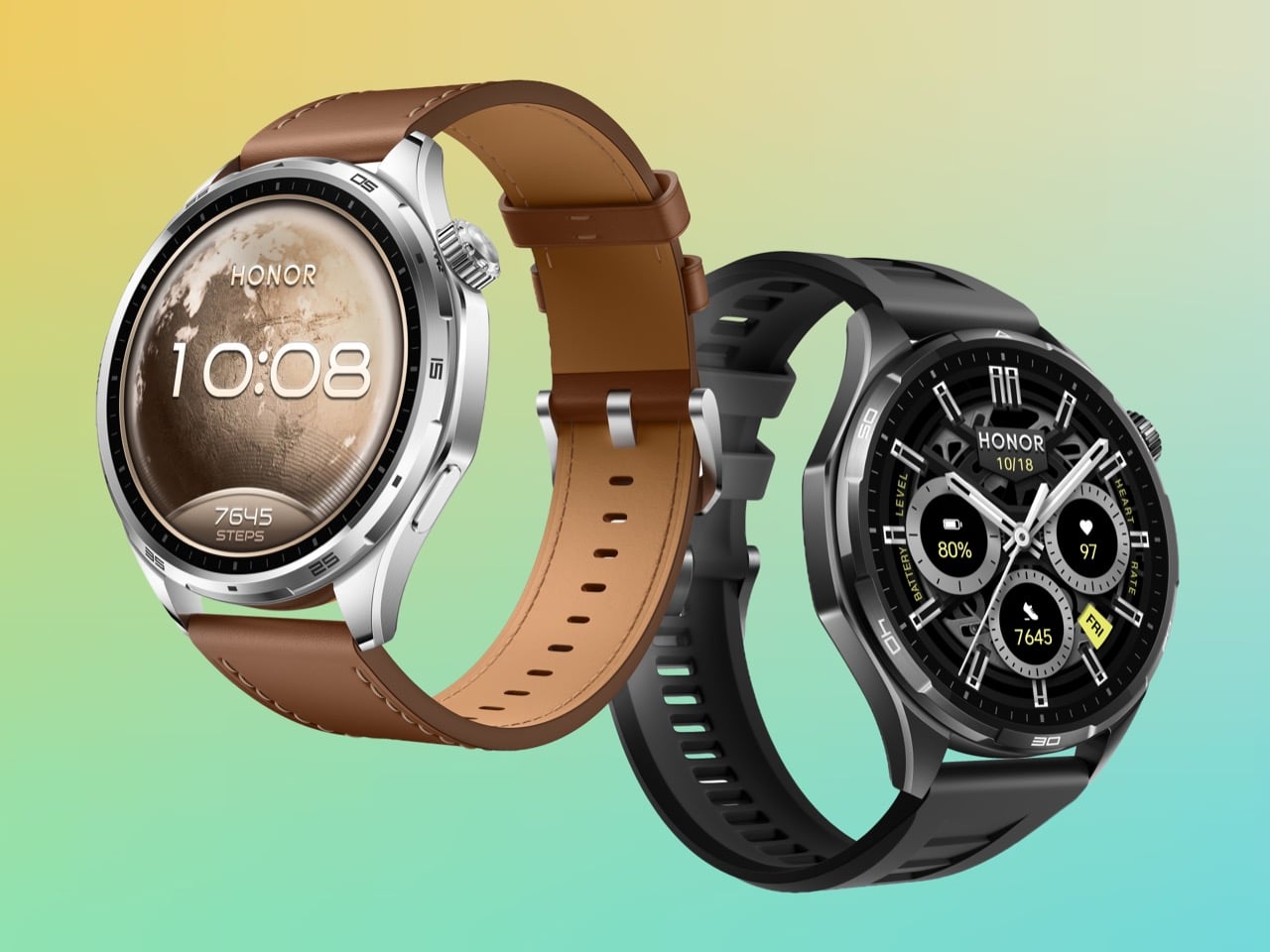
    Every smartwatch eventually comes off. The reasons vary: the charge ran out, the case dug in, the weight got old. Battery anxiety and wrist fatigue are the two great enemies of wearable compliance, and the industry has spent years solving one at the expense of the other. HONOR has taken a different approach with the Watch 6.

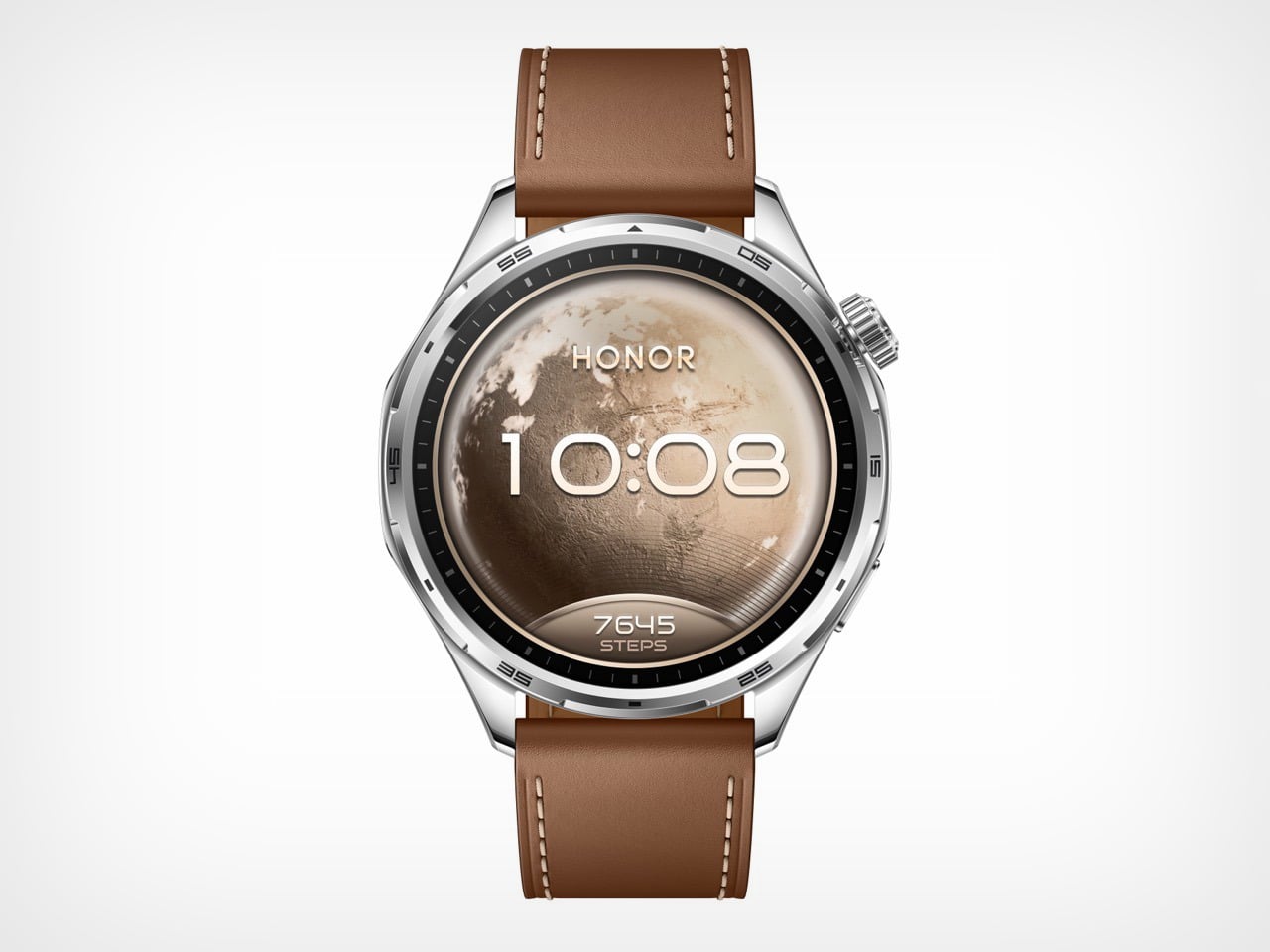
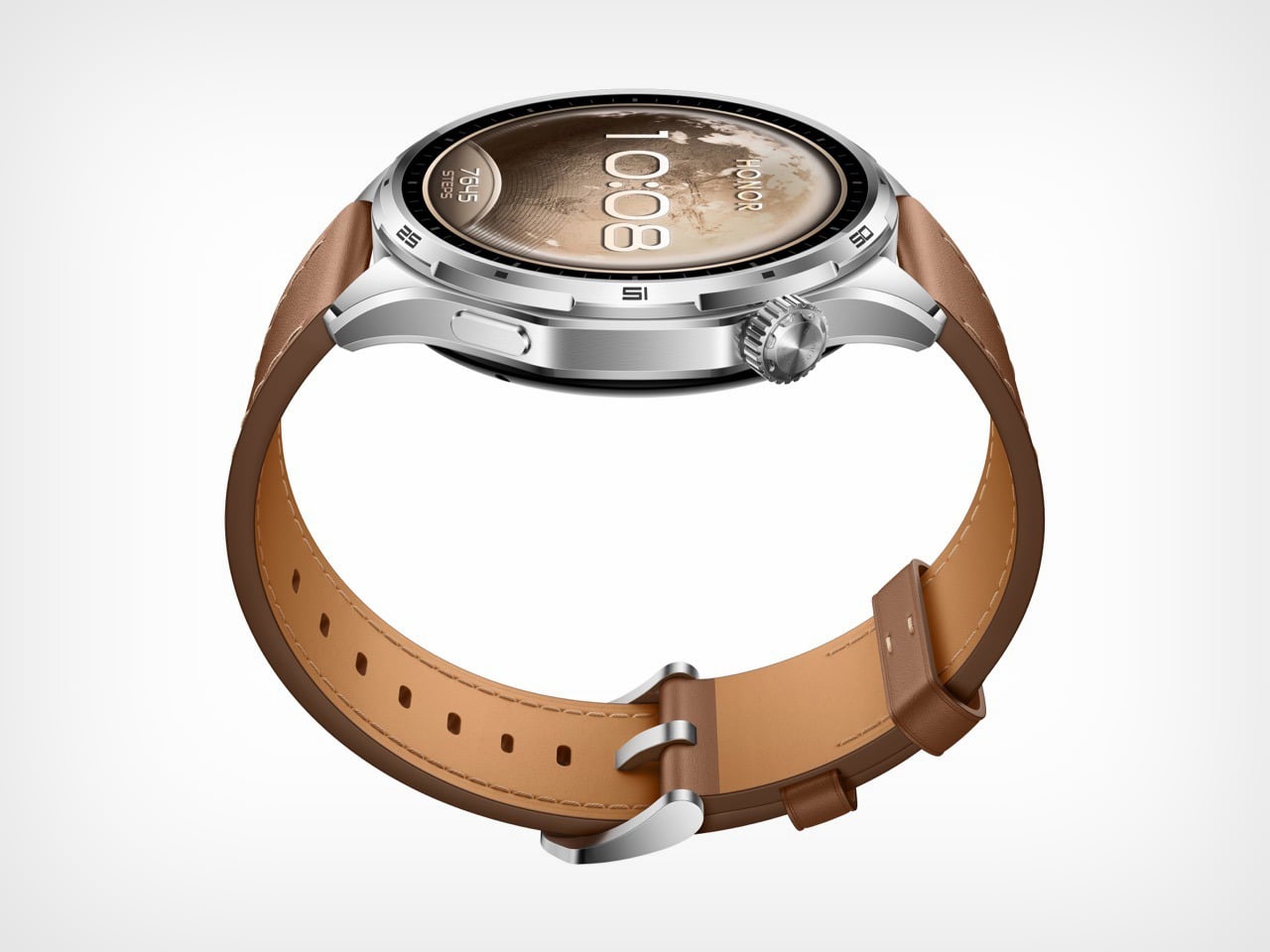
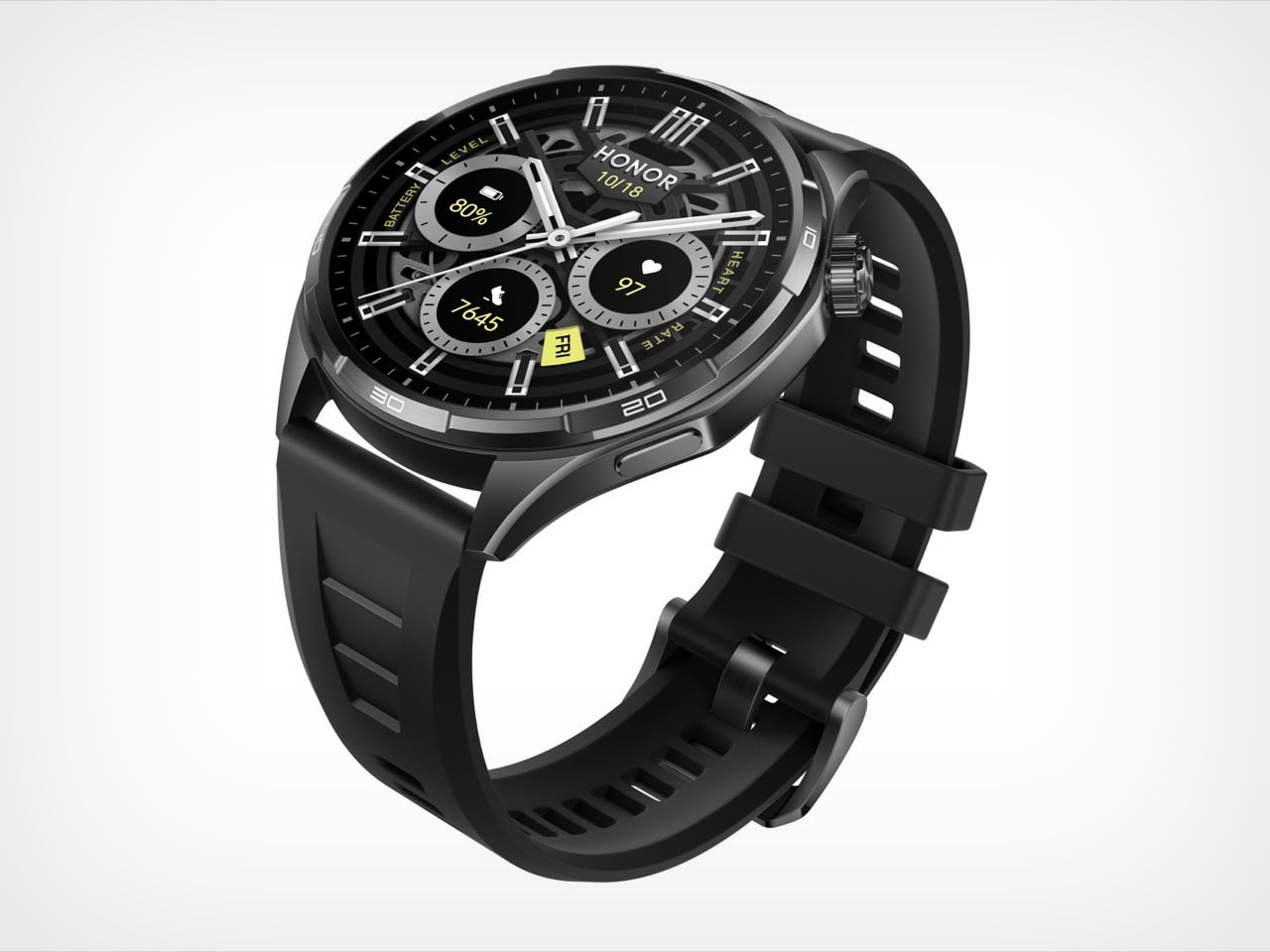
    The case weighs 41 grams, which puts it in the same neighborhood as a set of car keys. The battery inside it is 980mAh, a capacity that delivers up to 35 days of use and has no comparable precedent in a smartwatch this light. HONOR achieved it through a sandblasted aluminium alloy construction, designed around a Racing Dashboard aesthetic that borrows visual tension from high-performance automotive design. The Watch 6 is built to stay on. And at 41 grams, there is very little reason to take it off.

    Designer: HONOR

    The wearable industry’s battery problem has always been architectural. Garmin solved it by making watches thick enough to house serious cells, producing devices that track ultramarathons flawlessly but look faintly ridiculous at a dinner table. Apple went the opposite direction, keeping the Watch Series ultra-slim and ultra-light while accepting that you will charge it every night like a phone. The Apple Watch Ultra 3 splits the difference with a 599mAh battery in a titanium case, and while that is genuinely impressive engineering, it still asks you to charge weekly and costs north of $700 for the privilege. Samsung’s Galaxy Watch 7 lands closer to HONOR’s price bracket but tops out around 425mAh, delivering maybe three days of real-world use. HONOR’s Watch 6 arrives at 980mAh and 41 grams, and neither of those numbers should coexist in the same sentence.

    The secret is in the surface. HONOR’s construction process runs the aluminium alloy case through a precision sandblasting treatment that produces a finish comparable to titanium in texture and perceived premium-ness, without titanium’s weight penalty. This is the same category of material intelligence that made the Watch 5 Ultra’s grade 5 titanium case feel like such a statement at MWC 2025, except here HONOR is pulling the trick in reverse, making aluminium feel like it punches upward. The beveled edges add a three-dimensional quality to the 46.5mm round case that photographs well and catches light differently depending on angle, borrowing visual language from automotive air intakes in a way that feels considered rather than decorative. At 317 PPI on a 1.46-inch AMOLED panel hitting 3,000 nits of peak brightness, the display holds up in direct sunlight in a way that cheaper panels simply cannot.

    Where the Watch 6 earns its credibility beyond the spec sheet is in the specificity of its sports intelligence. HONOR’s badminton mode tracks smash speeds, rally counts, and shot distribution in a way that goes well beyond the generic “racket sport” detection most smartwatches offer. The football mode generates heat maps and trajectory data that a Sunday league player will find genuinely useful, not just flattering. Trail running gets an AI coaching layer on top of dual-band six-star GPS, with route deviation alerts that matter when you are actually in the hills. These are features borrowed in spirit from Garmin’s sport-specific playbook, delivered at a price point Garmin has never seriously entertained.

    The one honest caveat is software. HONOR’s proprietary MagicOS ecosystem has historically been the ceiling on what their hardware could achieve, and the Watch 5 Ultra illustrated that tension clearly when reviewers found the tracking data compelling but the platform limiting. The Watch 6 inherits that same closed loop, meaning your 35 days of biometric data lives inside the Honor Health app and nowhere else. For athletes already inside that ecosystem, that is fine. For anyone hoping to pipe data to Strava, Garmin Connect, or Apple Health with any consistency, it remains a friction point worth knowing about before you buy.

    The post HONOR packed a 35-day battery into a 41g smartwatch – and nothing else comes close first appeared on Yanko Design.

  • Yanko Design yankodesign.com design product-design yanko-design 2026-06-18 20:30
    ↗

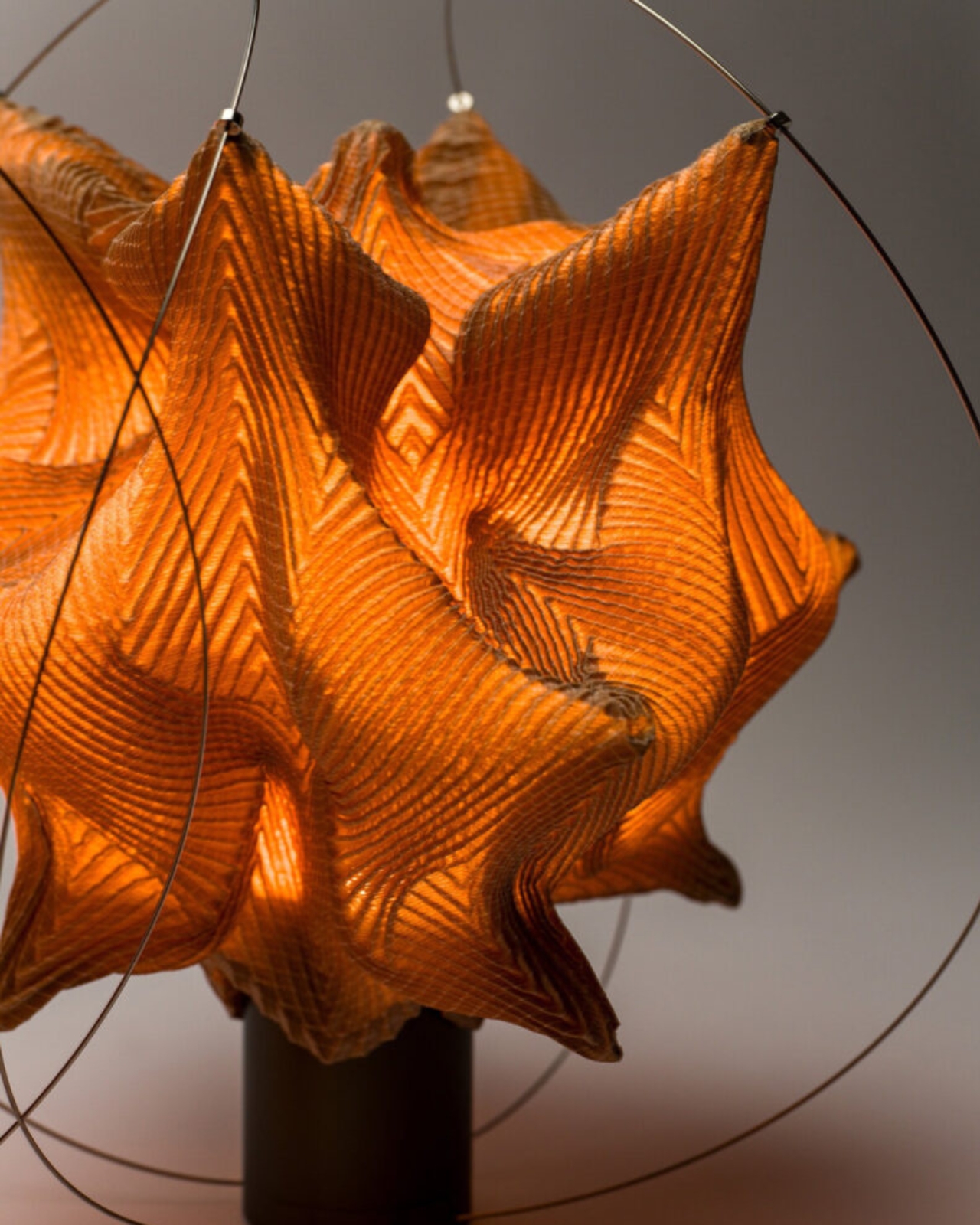
    Issey Miyake Just Made a Lamp That Wears Pleated ClothesWhen a fashion brand turns its most iconic textile technology into a lampshade, you pay attention. That’s the short version of what A-POC ABLE ISSEY...

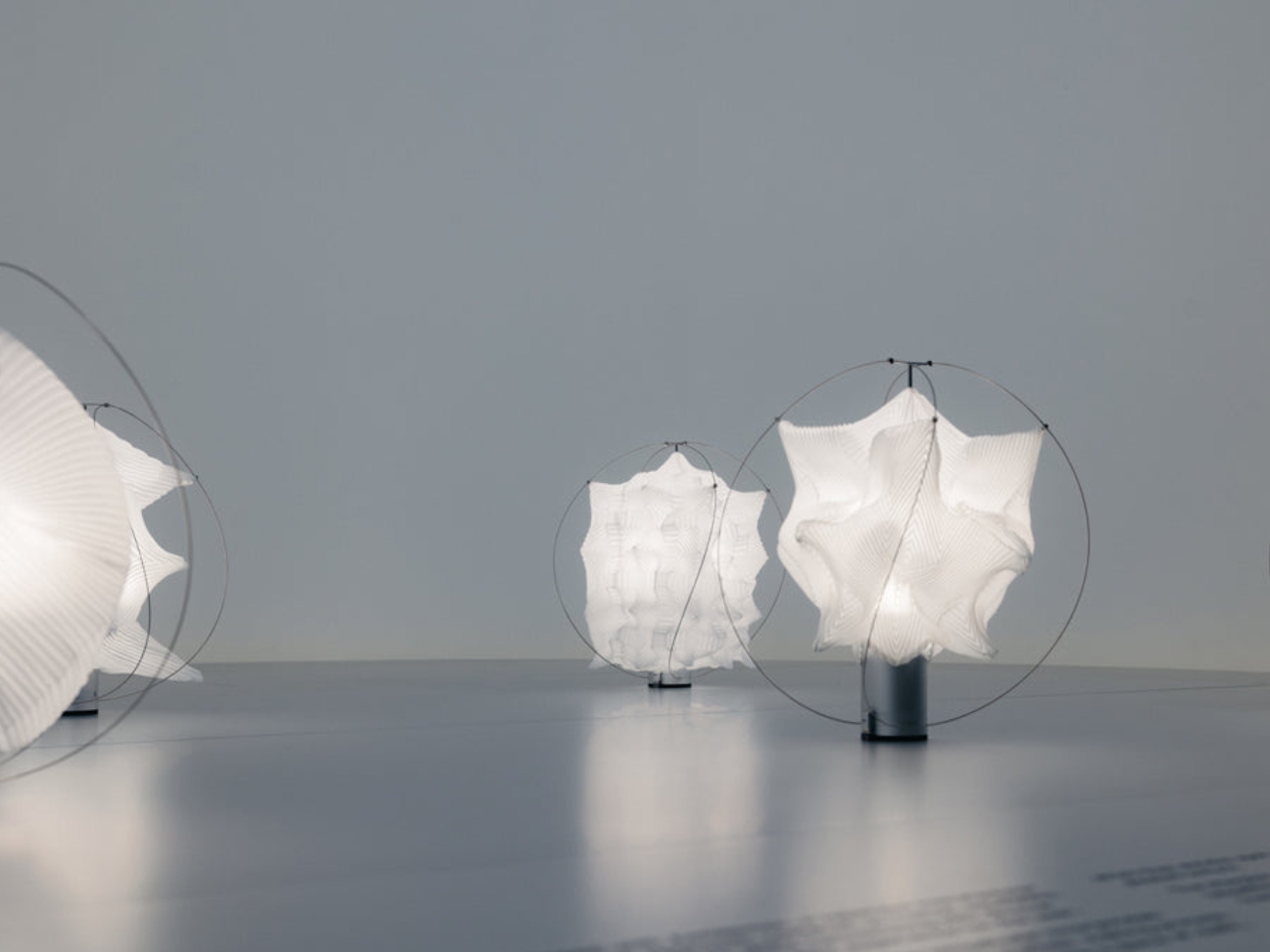
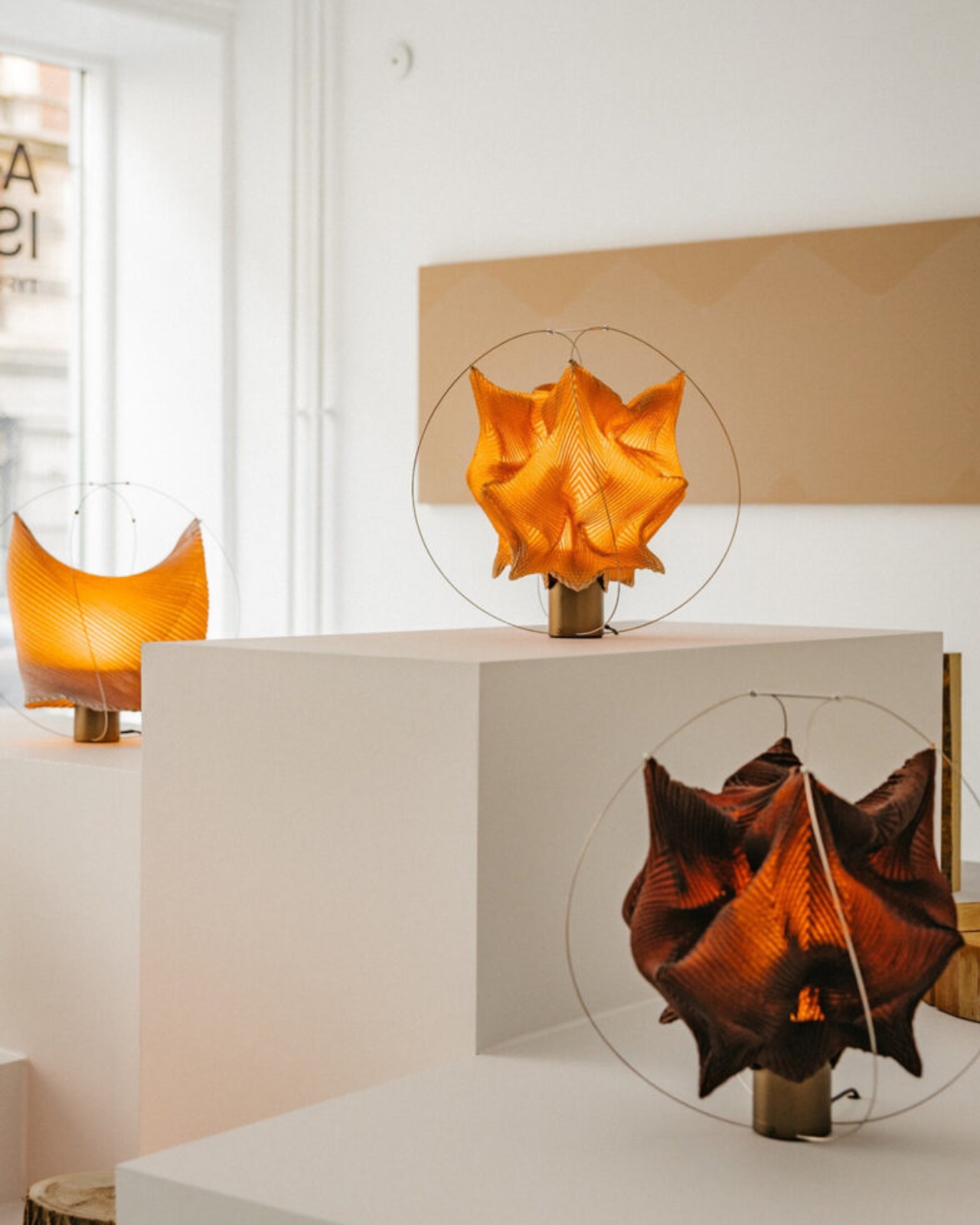
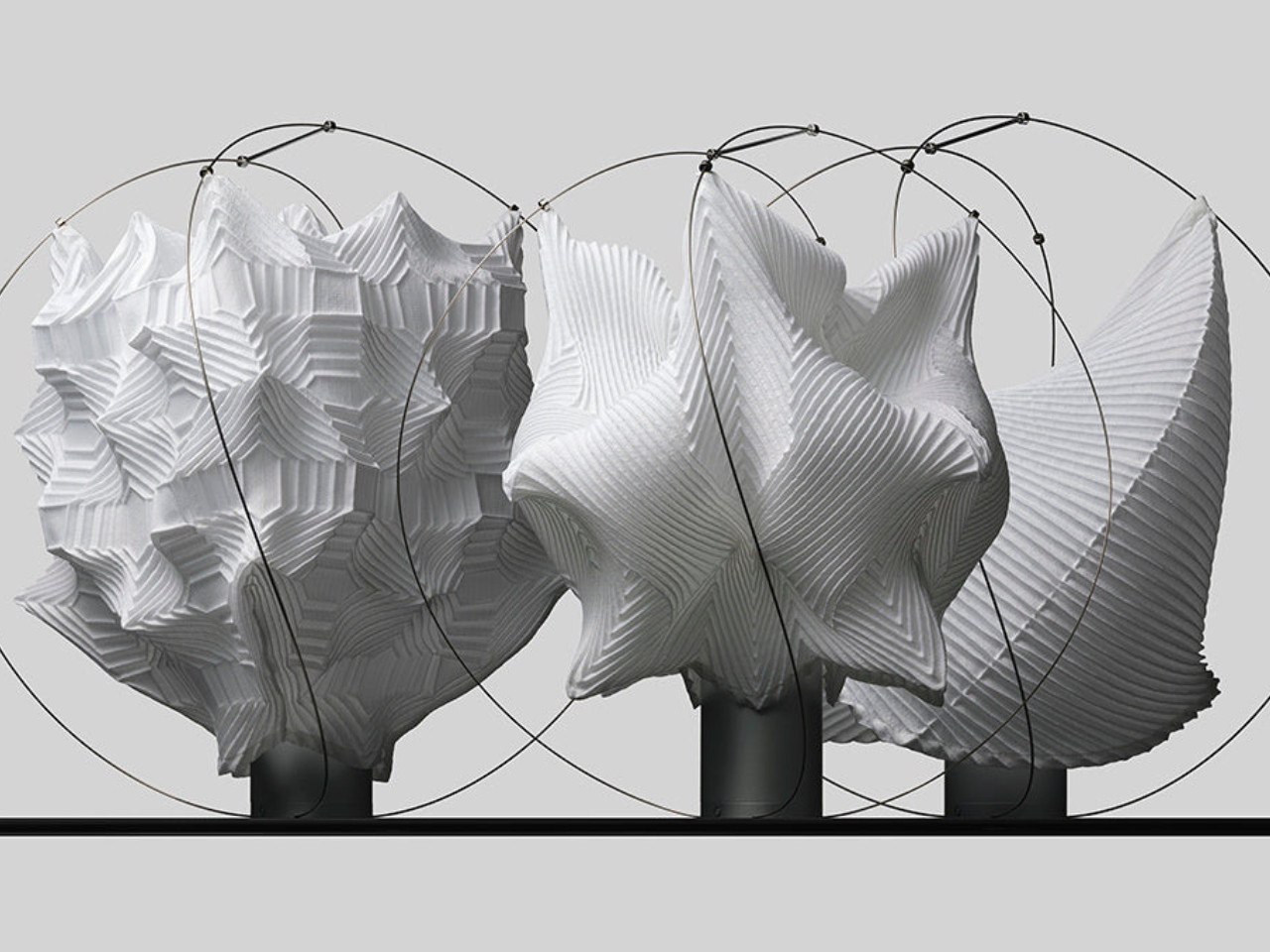
    When a fashion brand turns its most iconic textile technology into a lampshade, you pay attention. That’s the short version of what A-POC ABLE ISSEY MIYAKE and Swiss design studio atelier oï managed to do with the O Series, the latest chapter in their ongoing TYPE-XIII collaboration. Portable, pleated, and quietly radical, these lamps feel like proof that the best design ideas rarely stay confined to one category for long.

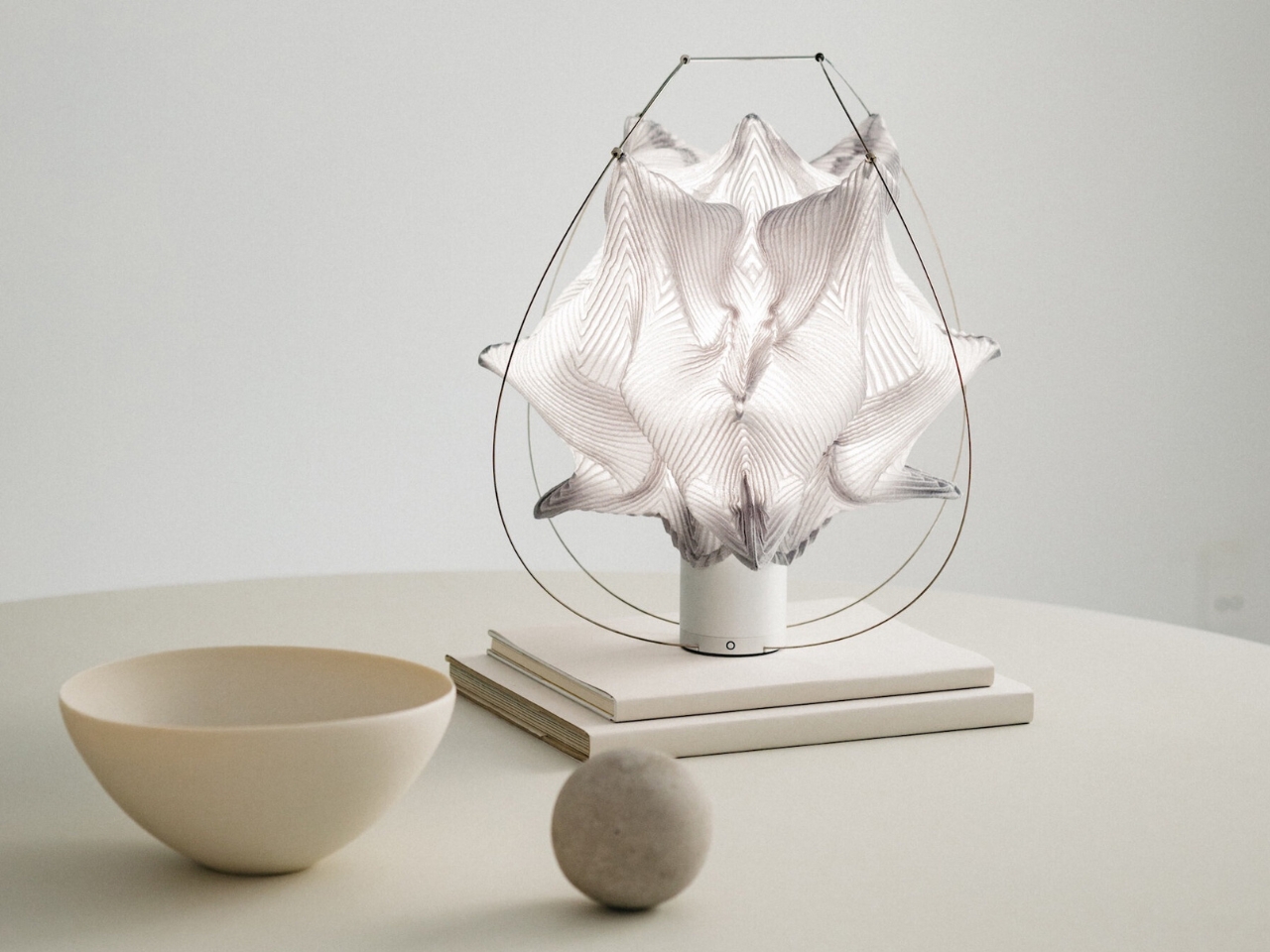
    The project started in 2024, built on a deceptively simple question: what happens when clothing technology meets light? A-POC ABLE ISSEY MIYAKE is known for its A-POC (A Piece of Cloth) philosophy, which treats fabric as a continuous, considered whole rather than something to be cut and assembled. From that foundation came Steam Stretch, a process where pattern and structure are woven directly into a single piece of recycled polyester fabric. Heat is then applied to specific areas, causing them to contract and bloom into a dimensional, pleated form. No additional construction. No extra pieces. The texture is built into the material itself.

    Designers: A-POC ABLE ISSEY MIYAKE x atelier oï

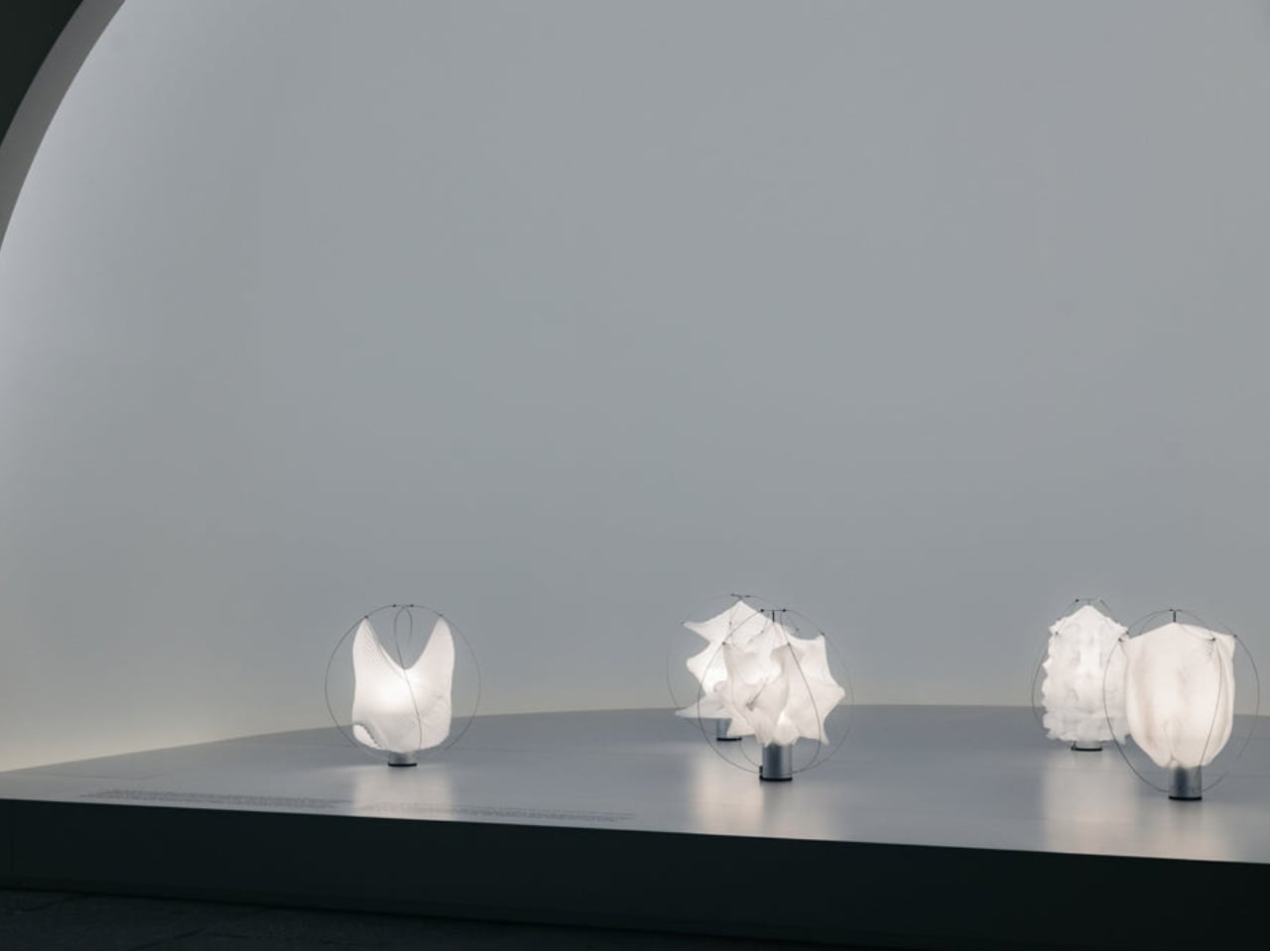
    For the O Series, that same pleated textile becomes a lampshade. Atelier oï, the Swiss studio with a practice spanning architecture, interiors, and product design, contributed the oval wire frame that holds it all together. The shade is designed to be detached and swapped out, which means the lamp can shift its mood depending on what material, color, or texture you choose. It’s modular in the quietest, most intentional way: not a gimmick, but a reflection of how both studios think about longevity and use.

    The second edition of the O Series was presented at 3 Days of Design in Copenhagen this past June, marking A-POC ABLE ISSEY MIYAKE’s debut at the festival. The new colors were inspired by nature, which feels right for a material that transforms through something as elemental as heat. The exhibition at Gallery 2112 was set up so visitors could actually handle the lamps rather than just look at them from a careful distance. That decision says a lot about the confidence behind the design. When you make something this considered, you want people to touch it.

    The collaboration is credited to designer Yoshiyuki Miyamae of A-POC ABLE ISSEY MIYAKE, working alongside atelier oï, with lighting expertise brought in from Ambientec. The TYPE-XIII project first debuted at Milan Design Week 2025, so Copenhagen represents a growing body of work rather than a one-off moment. That continuity matters. It suggests the two studios are genuinely exploring this territory rather than producing a collection for the press and moving on.

    Somewhere in the details of the O Series is an idea that fashion has understood for decades: what you put in a room, like what you put on your body, can shift with context. The lampshade is interchangeable, almost seasonal. But unlike a cushion cover or a tablecloth, it arrives carrying real process. The structure comes from heat and fiber rather than scissors and glue, which gives it a kind of intellectual weight that most lighting objects simply don’t have.

    It’s also worth saying that the lamps are just beautiful. The pleating catches light with the same kind of movement and depth you’d expect from an Issey Miyake garment, and the oval wire frame reads as restrained and precise without being cold. The portable format means they’re not anchored to a single room or a fixed power source, which opens up how and where you might actually use one.

    Design collaborations between fashion and other disciplines can easily feel like branding exercises, two logos on one object with little else to show for it. The TYPE-XIII Atelier Oï project is not that. It’s a real conversation between two studios that understand materials deeply, and the O Series is the kind of outcome that makes you reassess what a lamp can actually be. Cloth and wire. Pleat and light. Sometimes the most interesting objects are the ones with the fewest elements.

    The post Issey Miyake Just Made a Lamp That Wears Pleated Clothes first appeared on Yanko Design.

  • Yanko Design yankodesign.com design product-design yanko-design 2026-06-18 19:15
    ↗

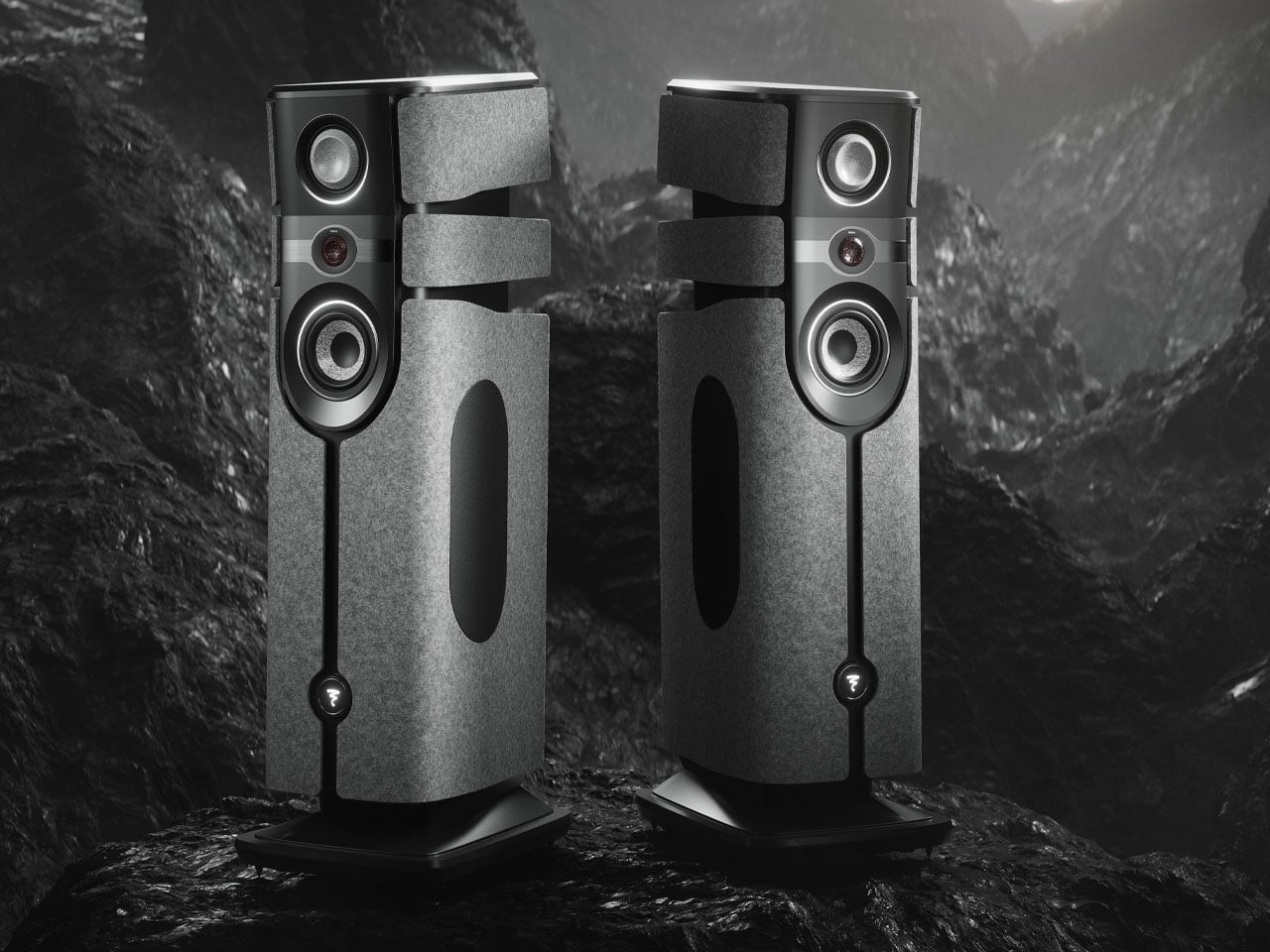
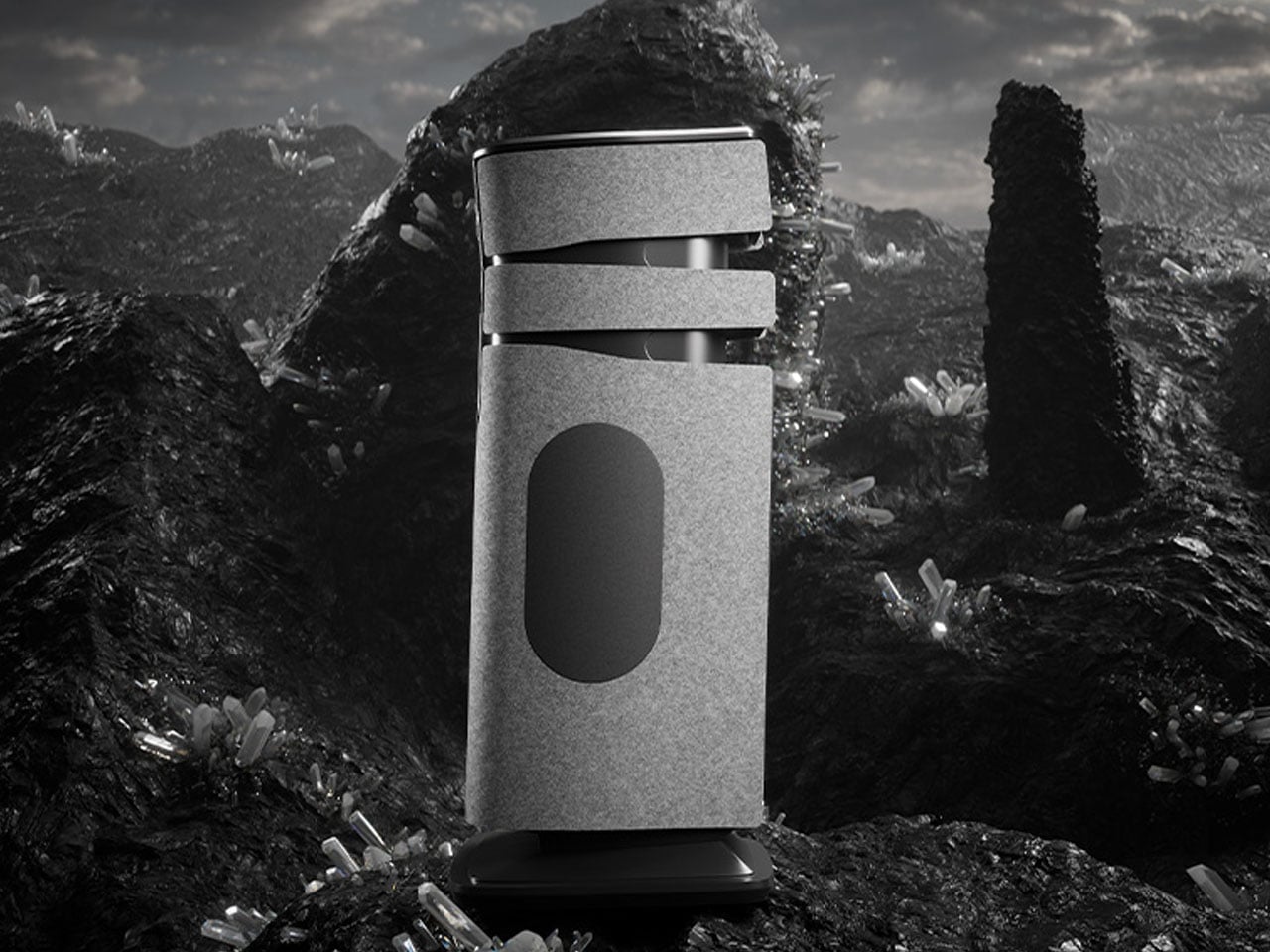
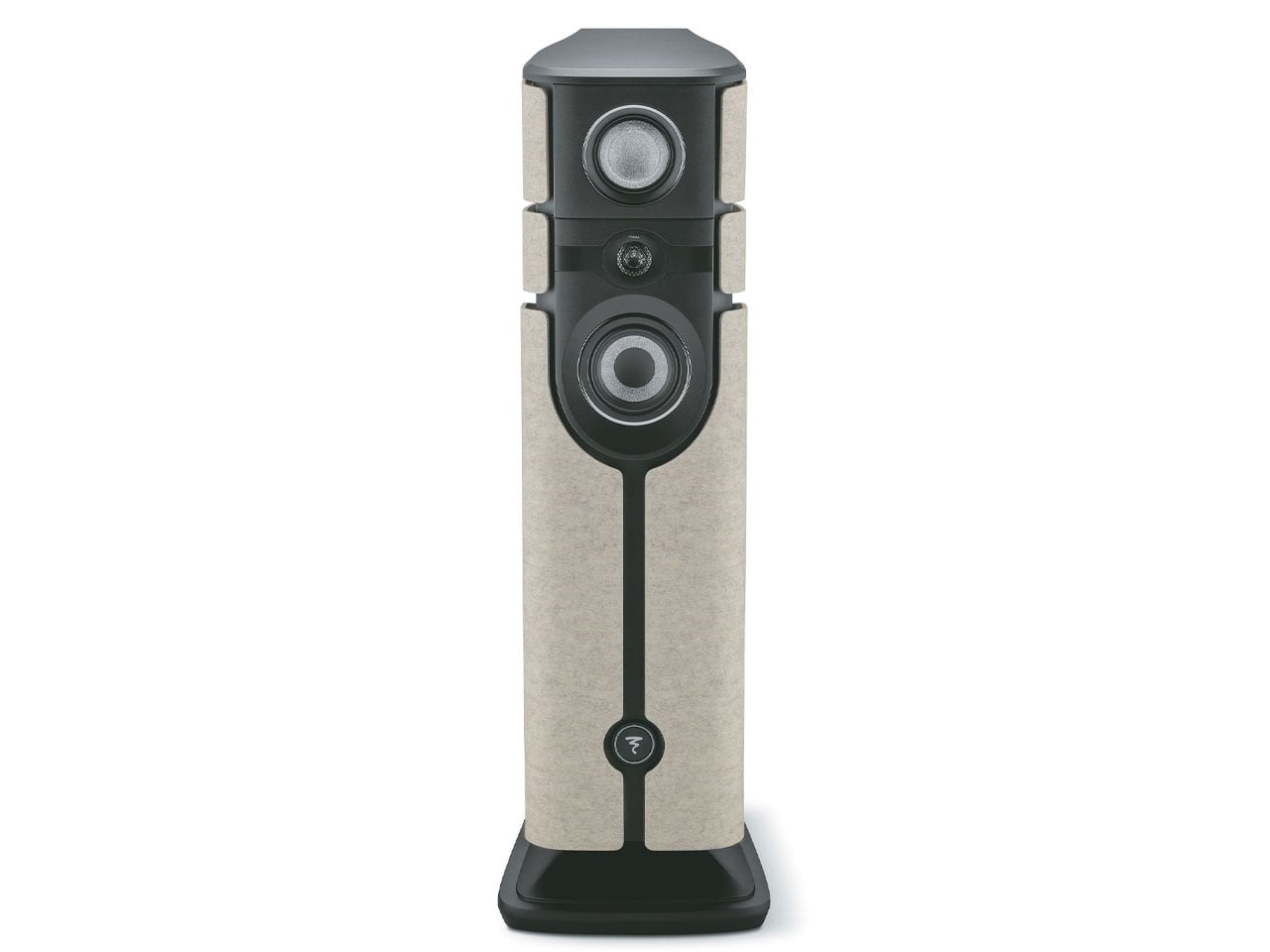
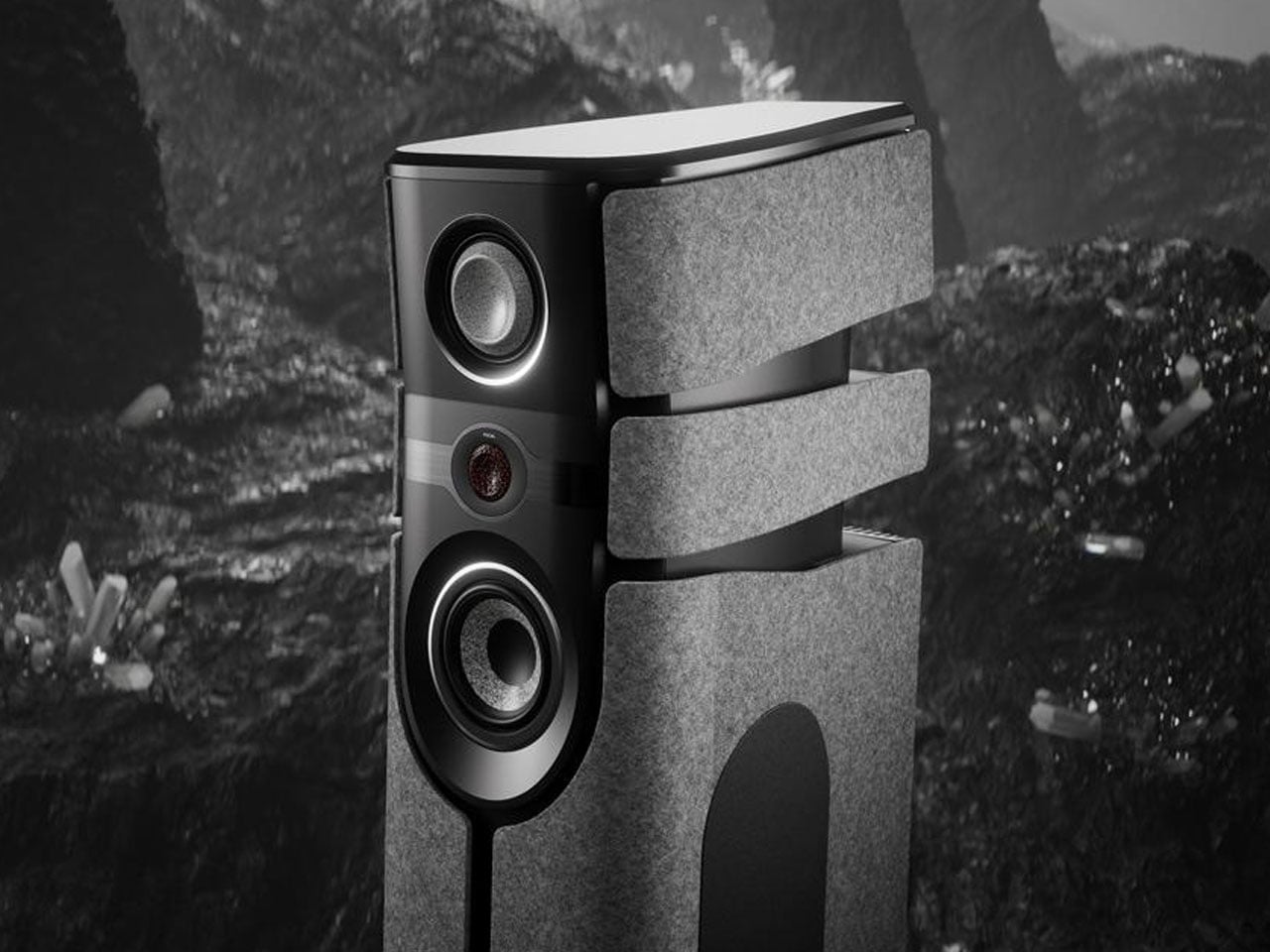
    Focal’s $200,000 Diva Alta Utopia Speakers Make Traditional Audiophile Systems Feel Surprisingly OutdatedFocal and Naim’s partnership has already reshaped expectations around high-end wireless audio, proving that convenience no longer has to come at the expense of performance....

    Focal and Naim’s partnership has already reshaped expectations around high-end wireless audio, proving that convenience no longer has to come at the expense of performance. With the new Diva Alta Utopia, the two brands push that idea to its absolute limit. They’ve created a flagship floorstanding speaker system that combines reference-grade acoustics and modern streaming technology in a package designed for the most demanding listeners.

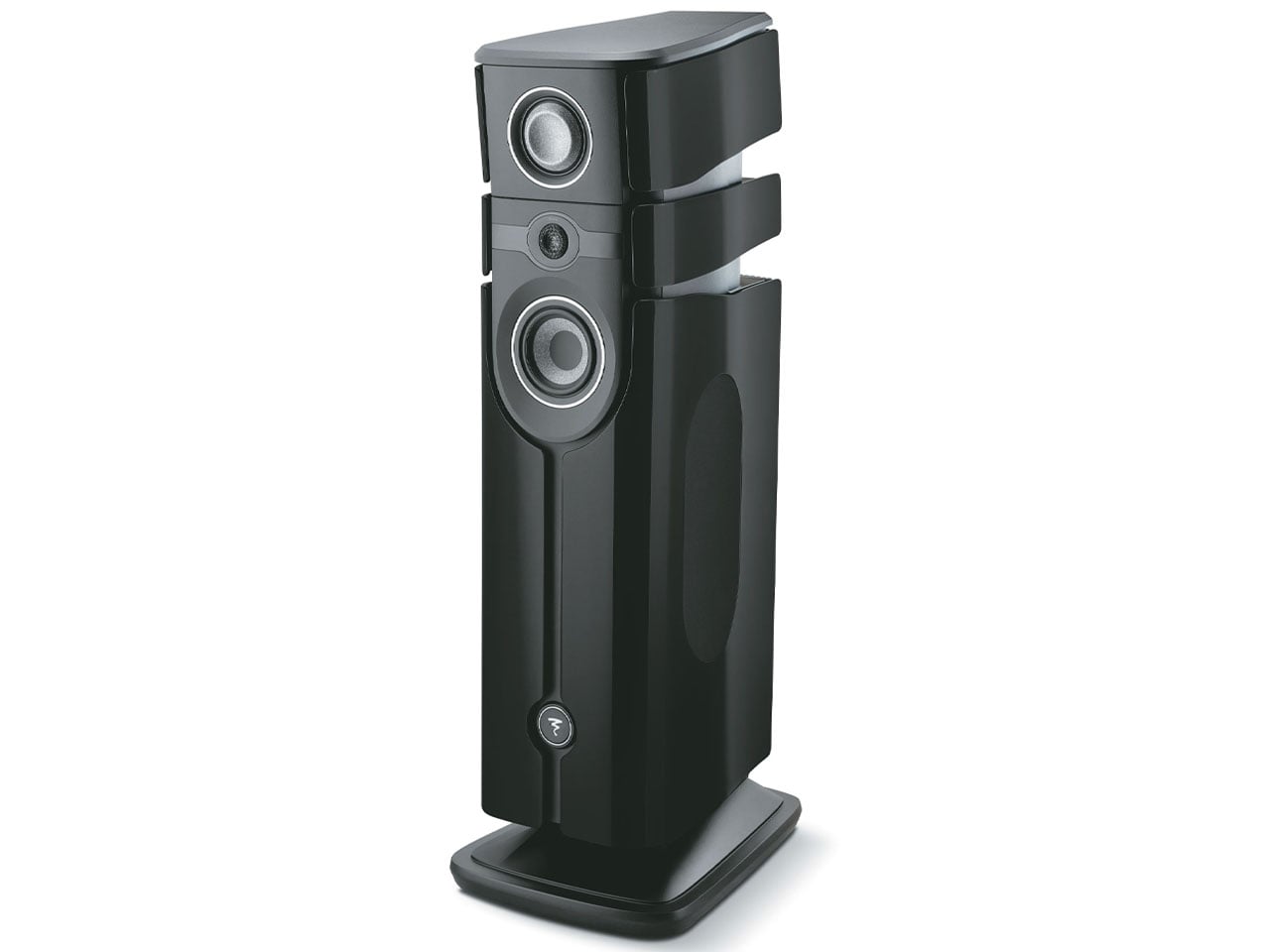
    Positioned above the Diva Mezze Utopia, the Diva Alta Utopia is the largest and most advanced model in the lineup. Rather than requiring separate amplifiers, DACs, streamers, and racks full of equipment, the system integrates everything into a pair of sculptural floorstanding speakers. The result is a streamlined approach to high-end audio that preserves the performance expected from traditional audiophile setups while significantly reducing complexity.

    Designer: Focal

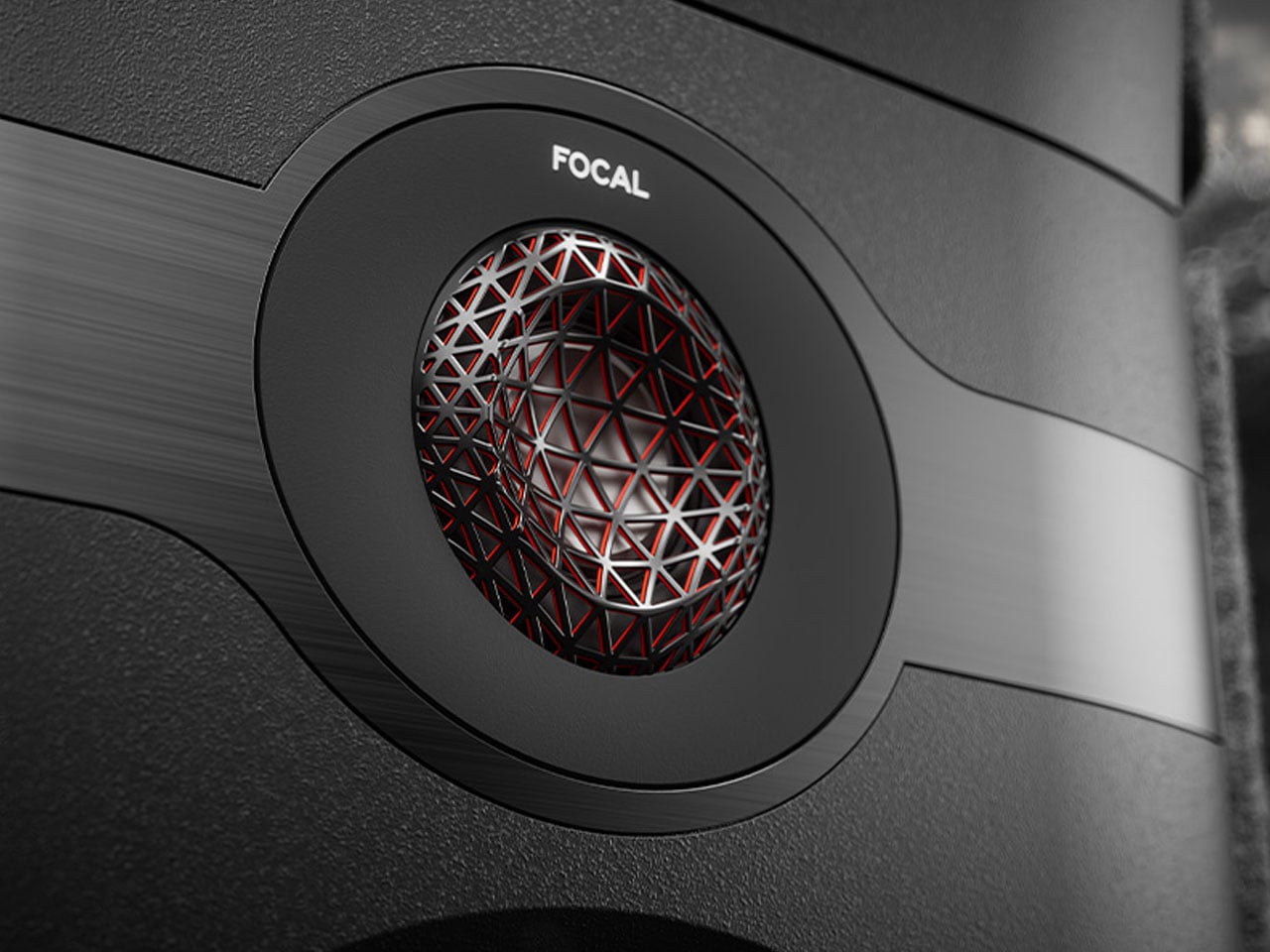
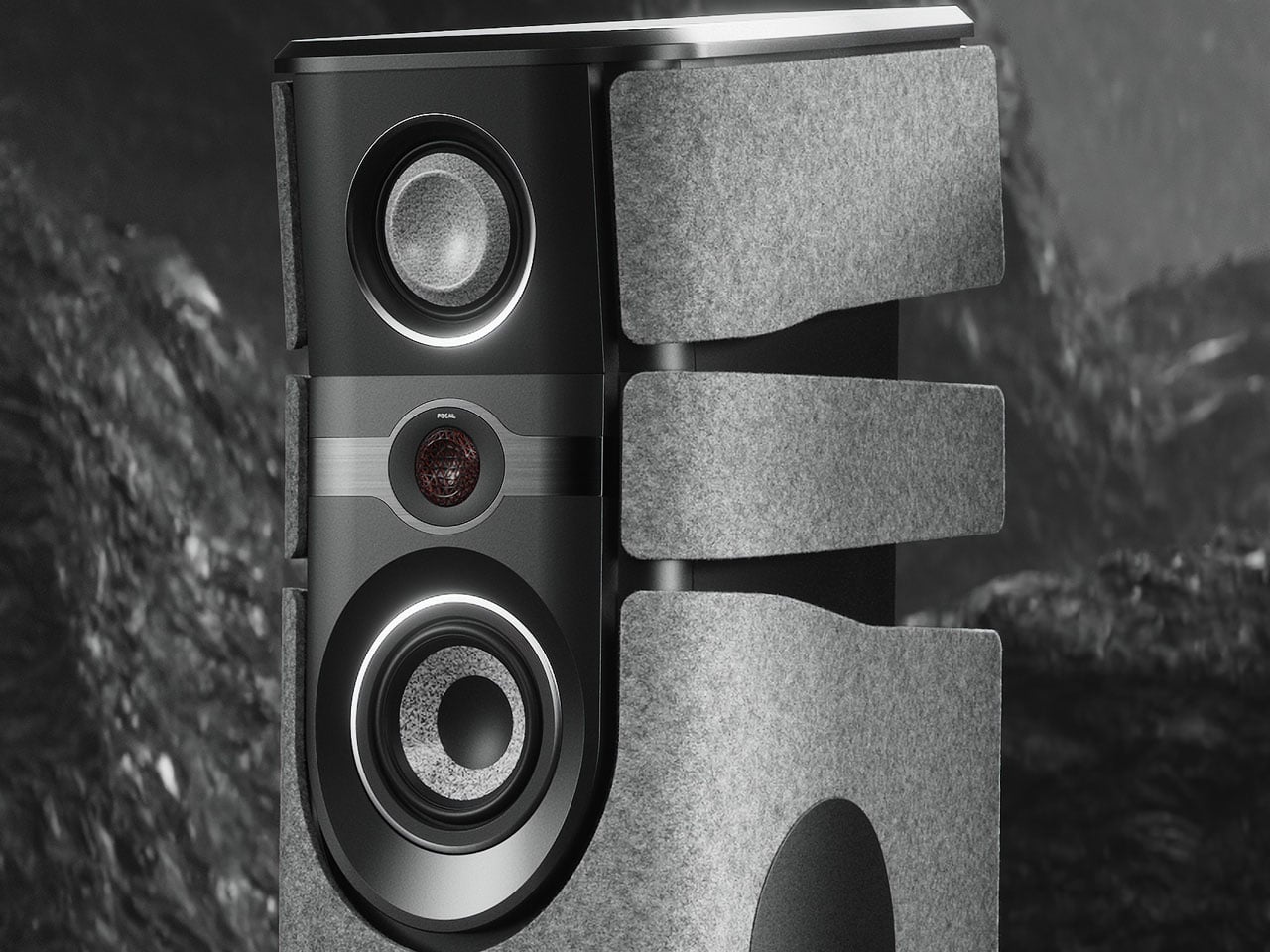
    The speaker’s imposing form serves a functional purpose. Each cabinet houses a newly developed 27mm Prism tweeter engineered to balance rigidity, damping, and low mass for greater detail and precision. A carbon-reinforced 5-inch midrange driver handles vocals and instruments, while bass duties are shared by four 8-inch woofers and a dedicated 6.5-inch W-cone mid-bass driver. The drivers are arranged using Focal’s Time Management architecture, a design intended to align acoustic output for more accurate imaging and a convincing soundstage.

    Every speaker contains four Class A/B amplifiers delivering a combined 600 watts, ensuring sufficient headroom for dynamic passages without compression. The system is capable of reaching deep into the low frequencies while maintaining clarity and control across the entire spectrum, making it suitable for everything from intimate acoustic recordings to large-scale orchestral performances.

    Wireless performance has been a major focus of the design. Using Ultra Wideband transmission technology, the speakers can exchange audio wirelessly at up to 24-bit/192kHz resolution, while Naim’s Pulse streaming platform supports playback of PCM files up to 32-bit/384kHz. The platform provides access to a wide range of music services and protocols, including AirPlay 2, Google Cast, Spotify Connect, Tidal Connect, Qobuz, internet radio, and Bluetooth with aptX Adaptive support.

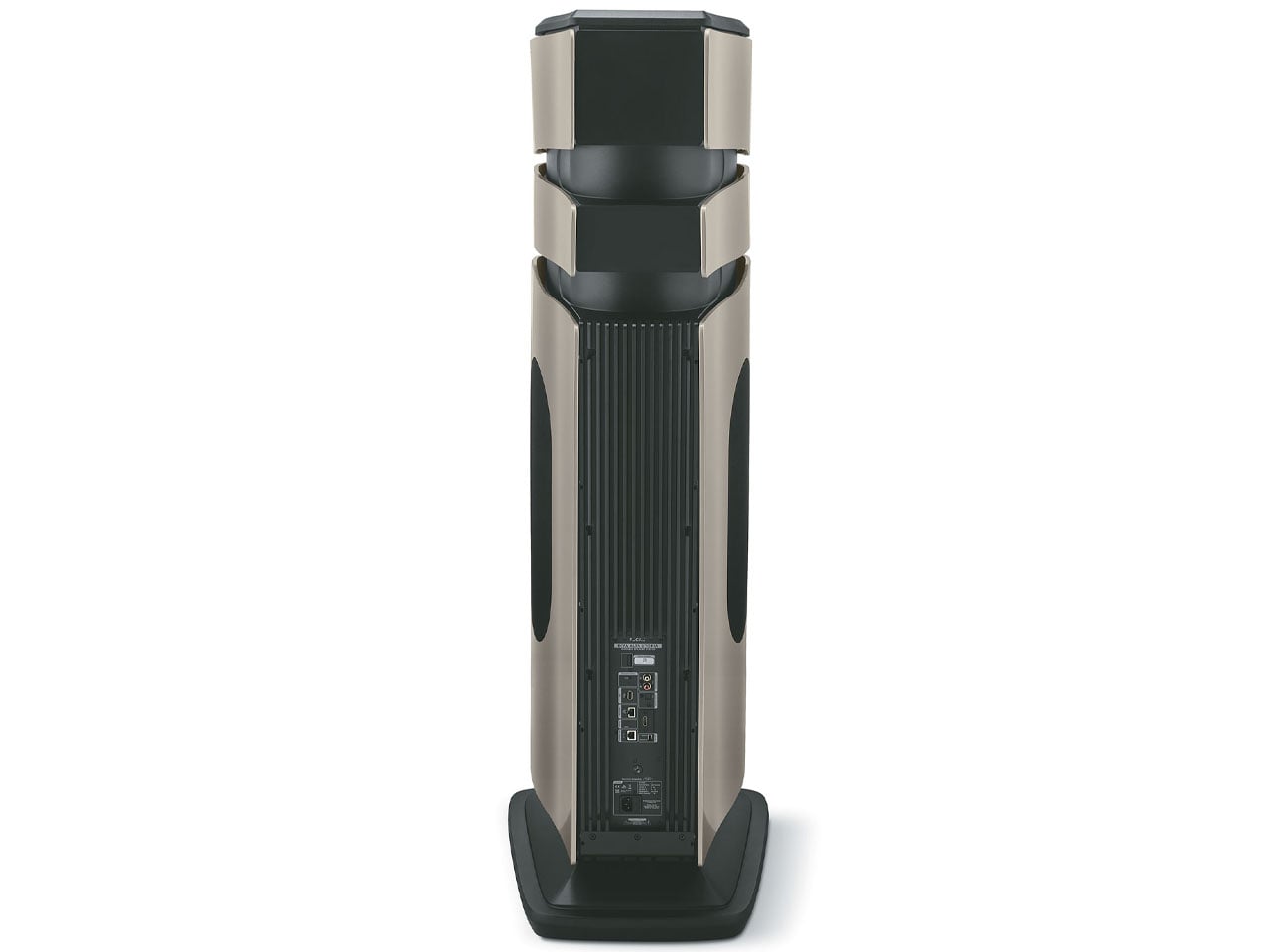
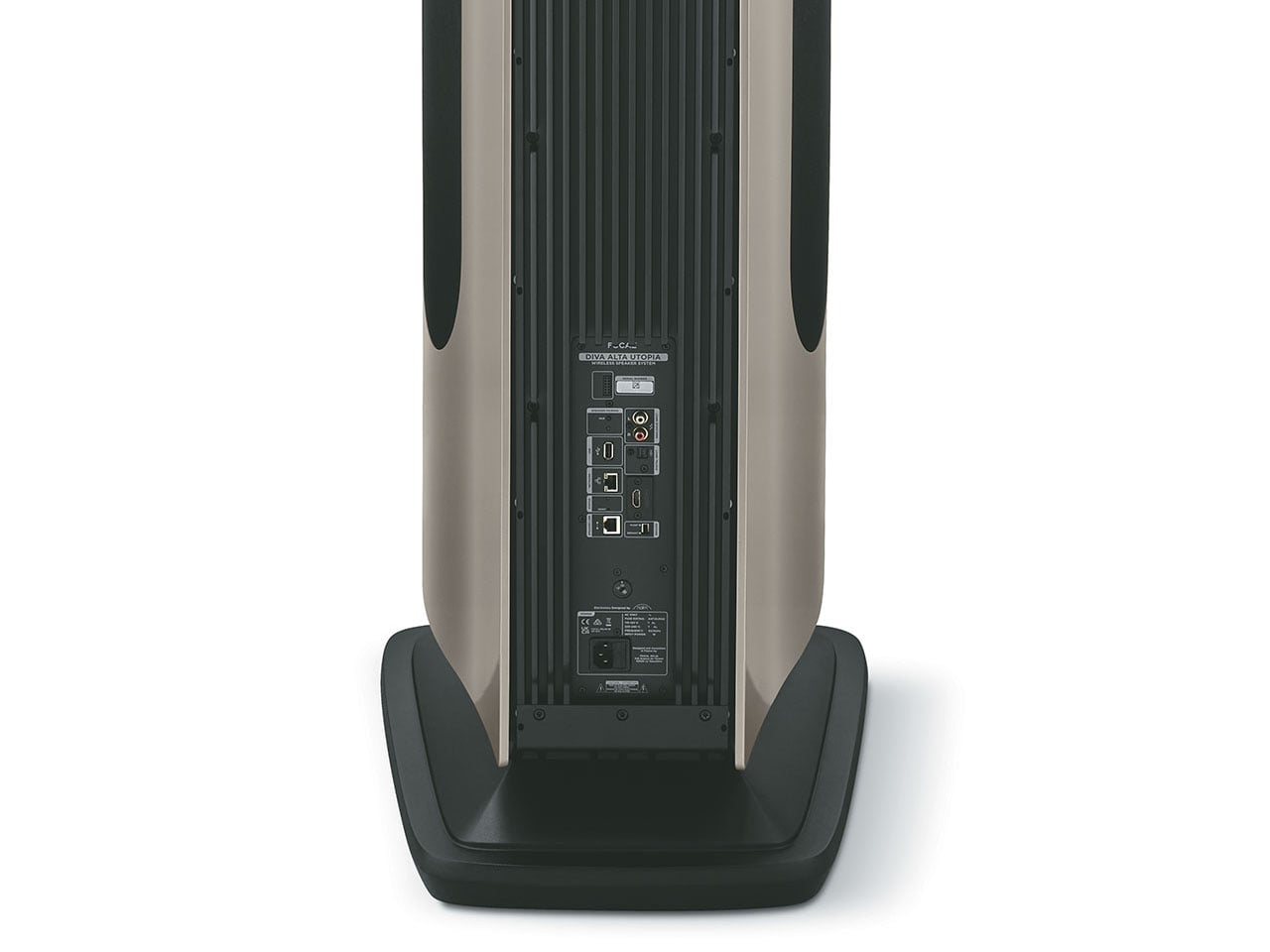
    For users with additional sources, connectivity is extensive. HDMI eARC allows seamless integration with televisions, while optical, USB-C, RCA, Ethernet, and speaker-link connections accommodate everything from gaming consoles to high-resolution music libraries. Control is handled through the Focal & Naim app, which also enables ADAPT room calibration technology. This system analyses room acoustics and speaker placement to optimize performance for a specific listening environment.

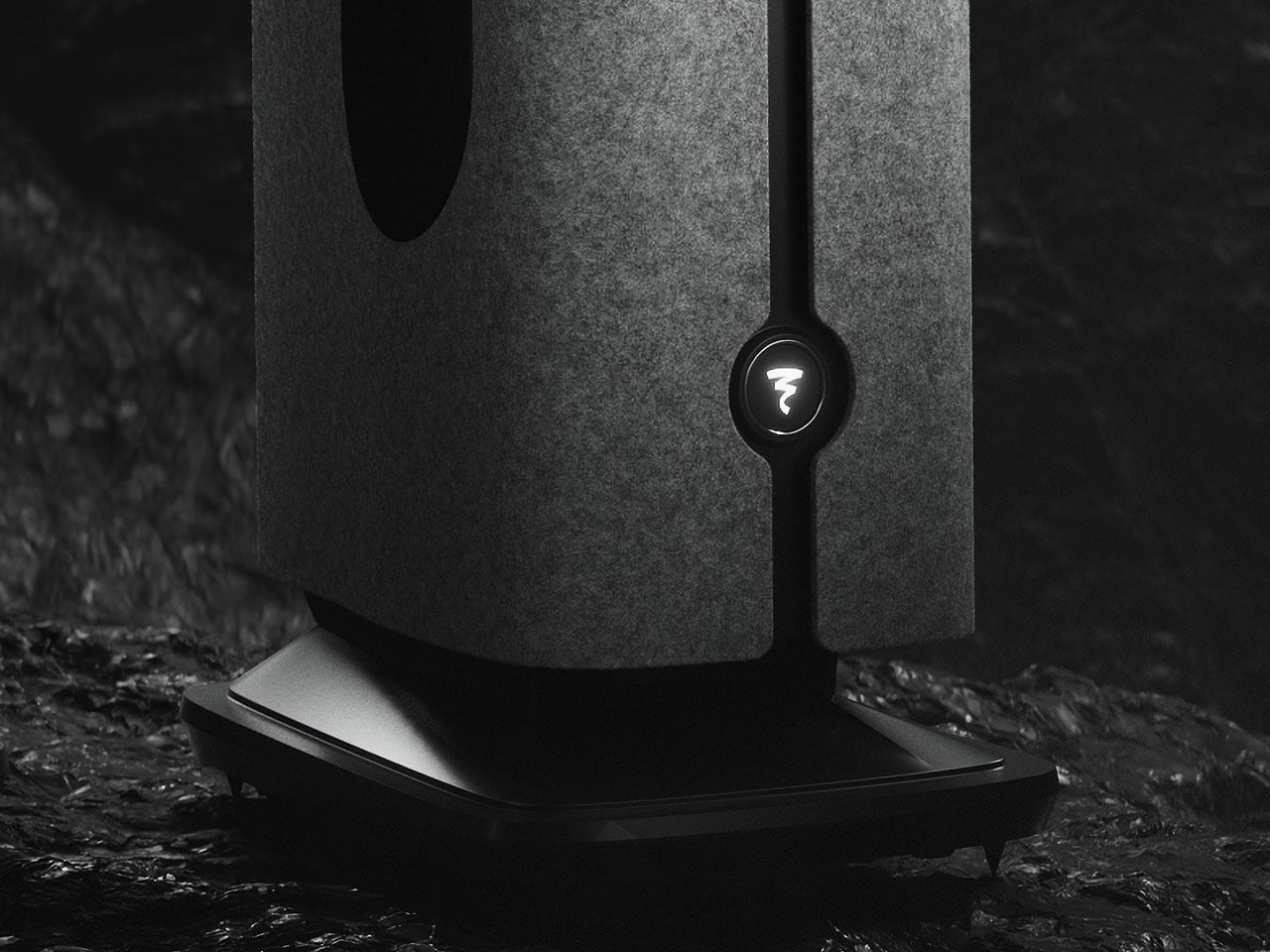
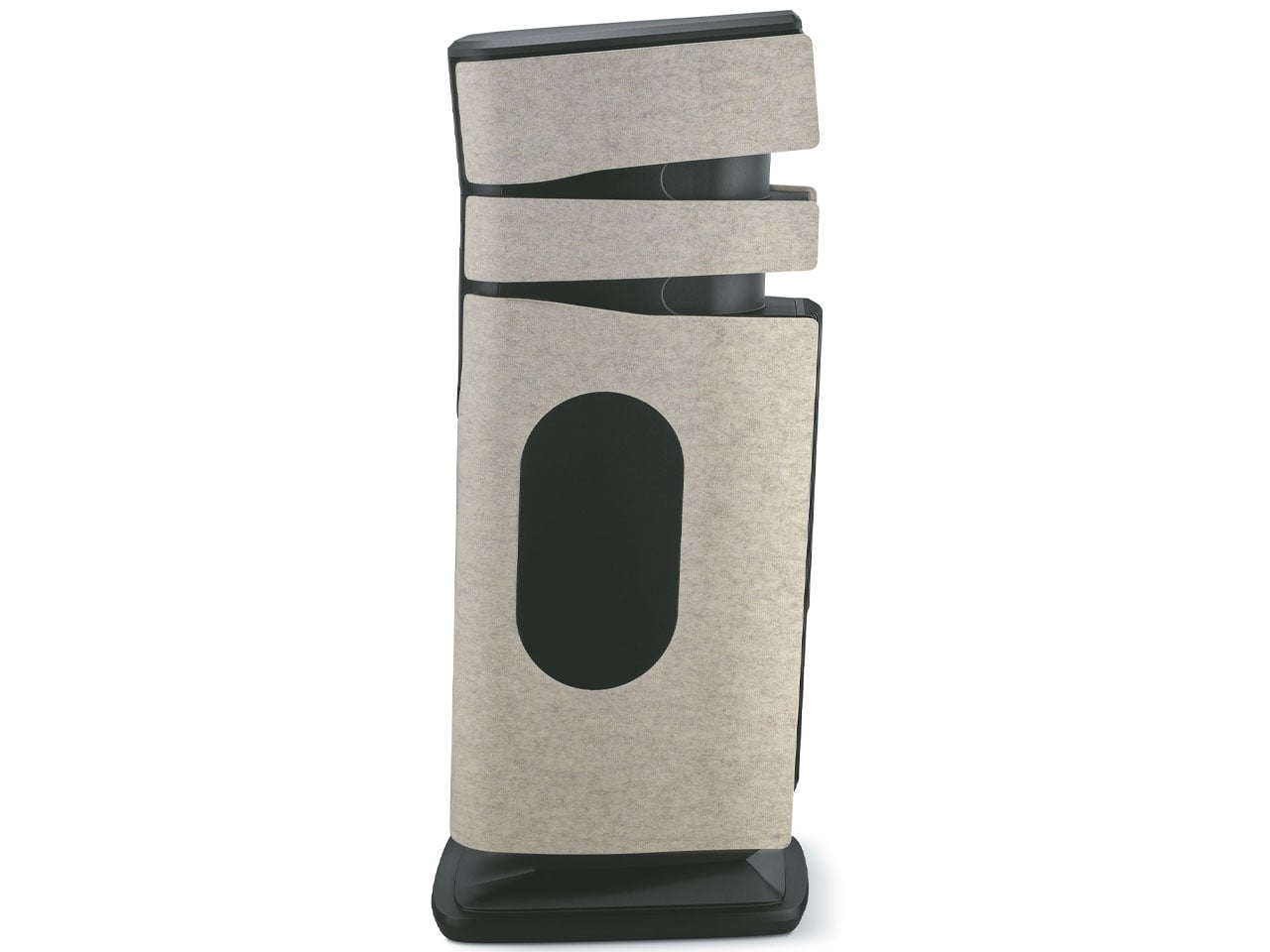
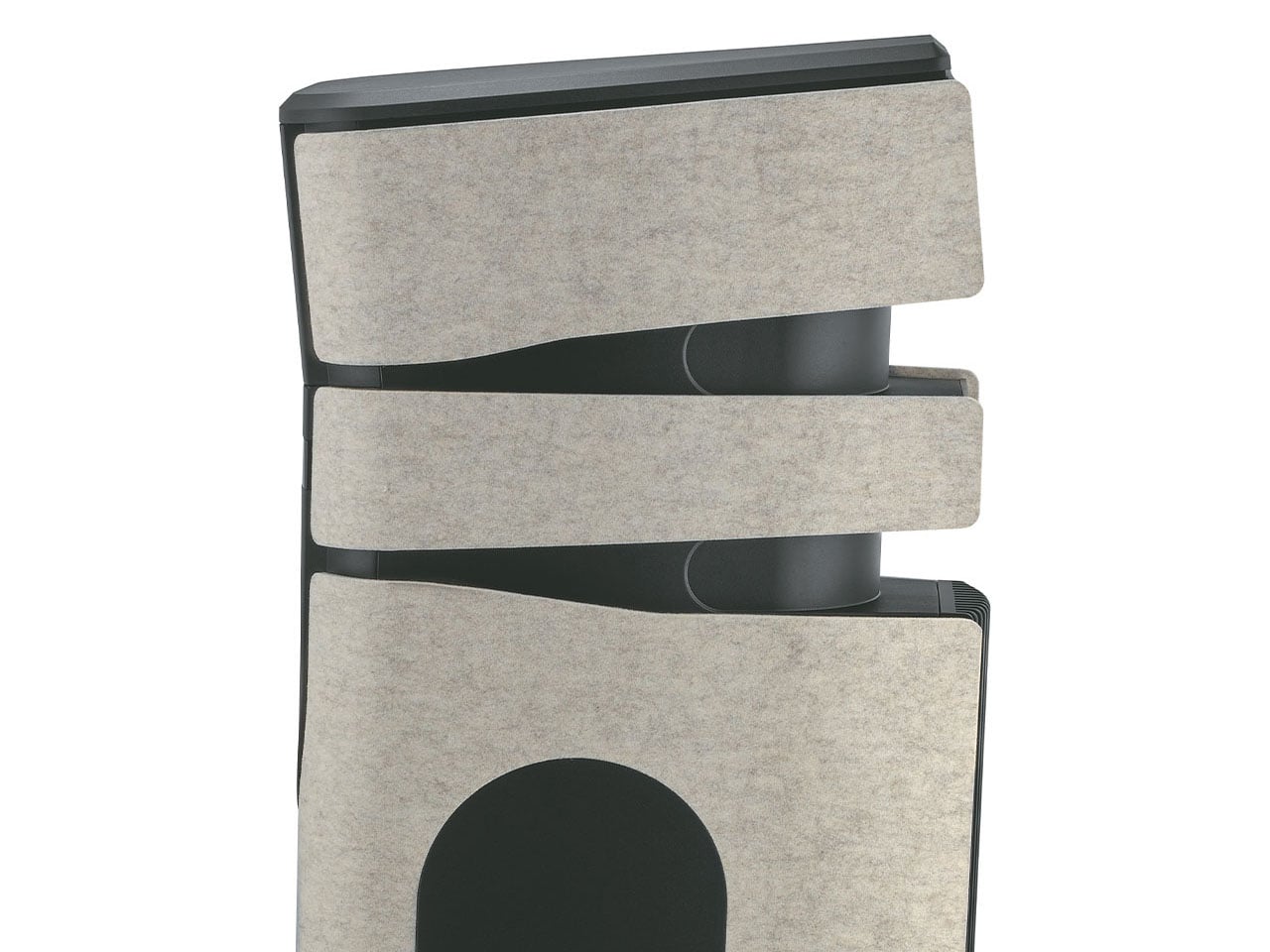
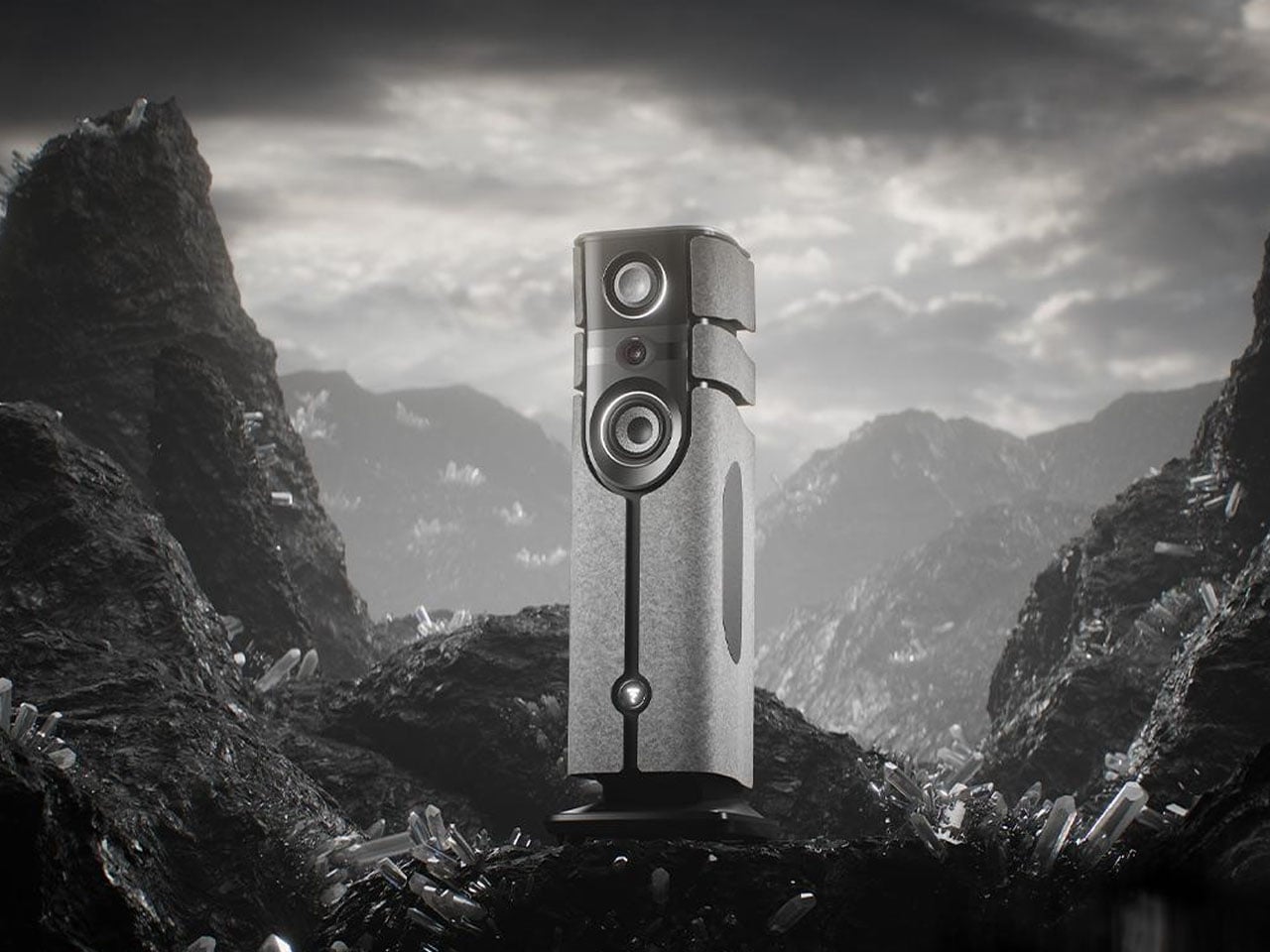
    Despite its technical sophistication, Diva Alta Utopia remains unmistakably a design statement. Floating side panels, premium materials, and multiple finish options, including felt and high-gloss lacquer treatments, give the speakers a distinctive presence that blends luxury craftsmanship with contemporary aesthetics.

    With pricing that starts around $200,000 per pair, the Diva Alta Utopia occupies a rarefied segment of the audio market. Yet it delivers the precision and emotional impact of an elite separates system while offering the simplicity and convenience of a modern wireless speaker.

    The post Focal’s $200,000 Diva Alta Utopia Speakers Make Traditional Audiophile Systems Feel Surprisingly Outdated first appeared on Yanko Design.

  • Yanko Design yankodesign.com design product-design yanko-design 2026-06-18 17:20
    ↗

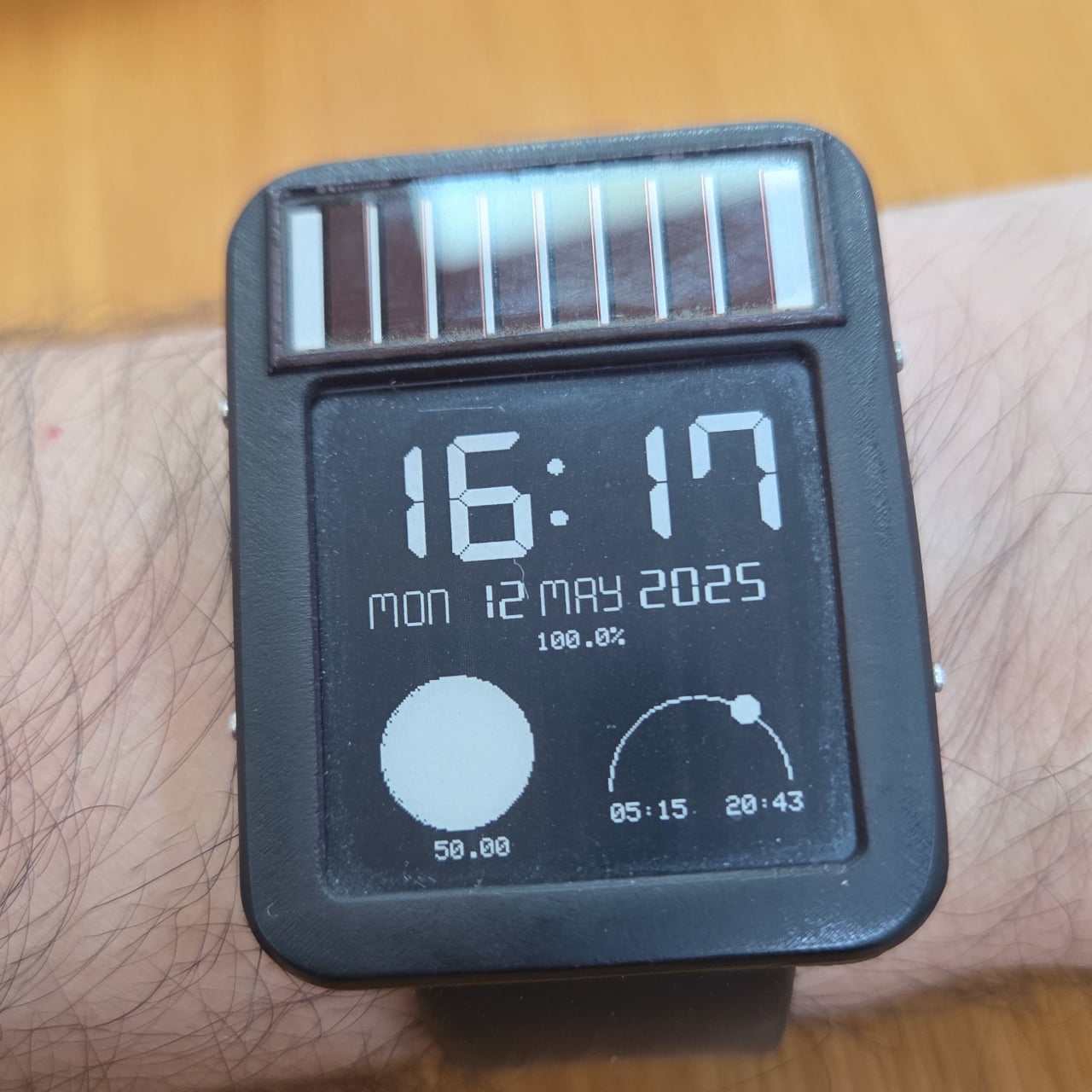
    This Solar Smartwatch Ran 9 Months on Battery, Then the Panel Kicked InThe smartwatch category has a battery problem it can’t seem to shake. Despite years of incremental improvements, most wearables still need to be charged every...

    The smartwatch category has a battery problem it can’t seem to shake. Despite years of incremental improvements, most wearables still need to be charged every day or two, which is exactly the opposite of what a watch is supposed to be. A watch is supposed to be on your wrist and working, not sitting on a charging pad because you forgot to plug it in before bed.

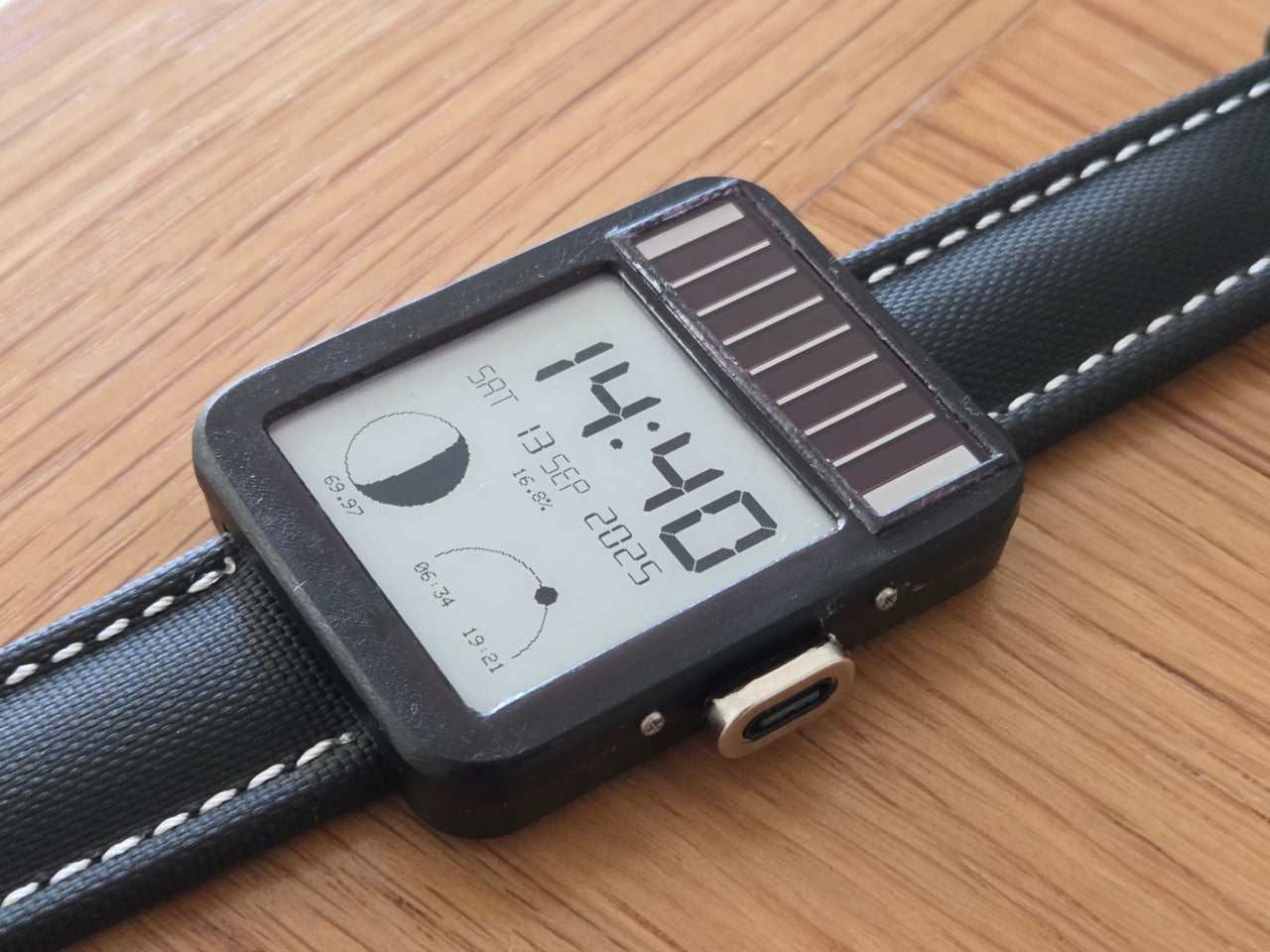
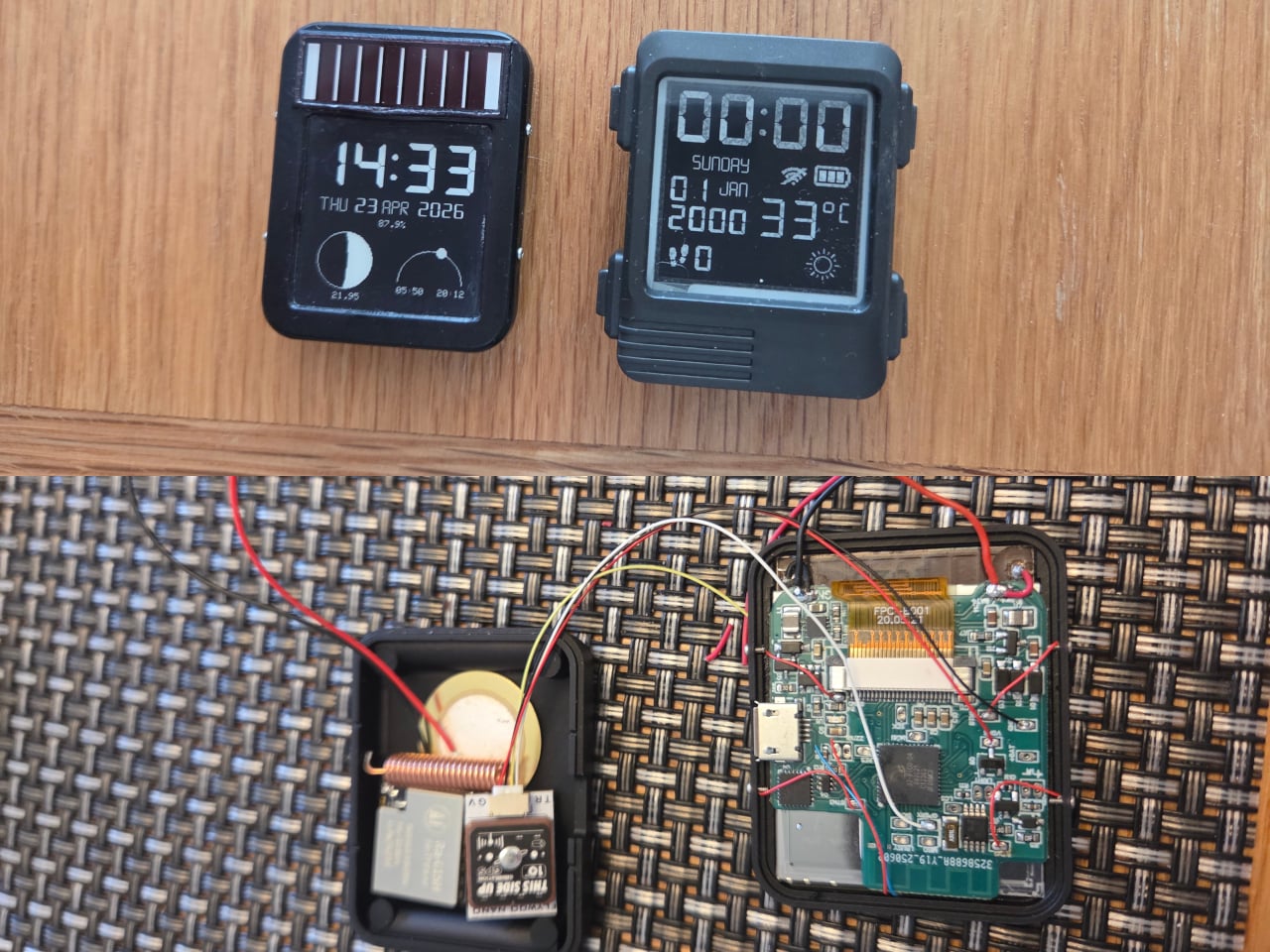
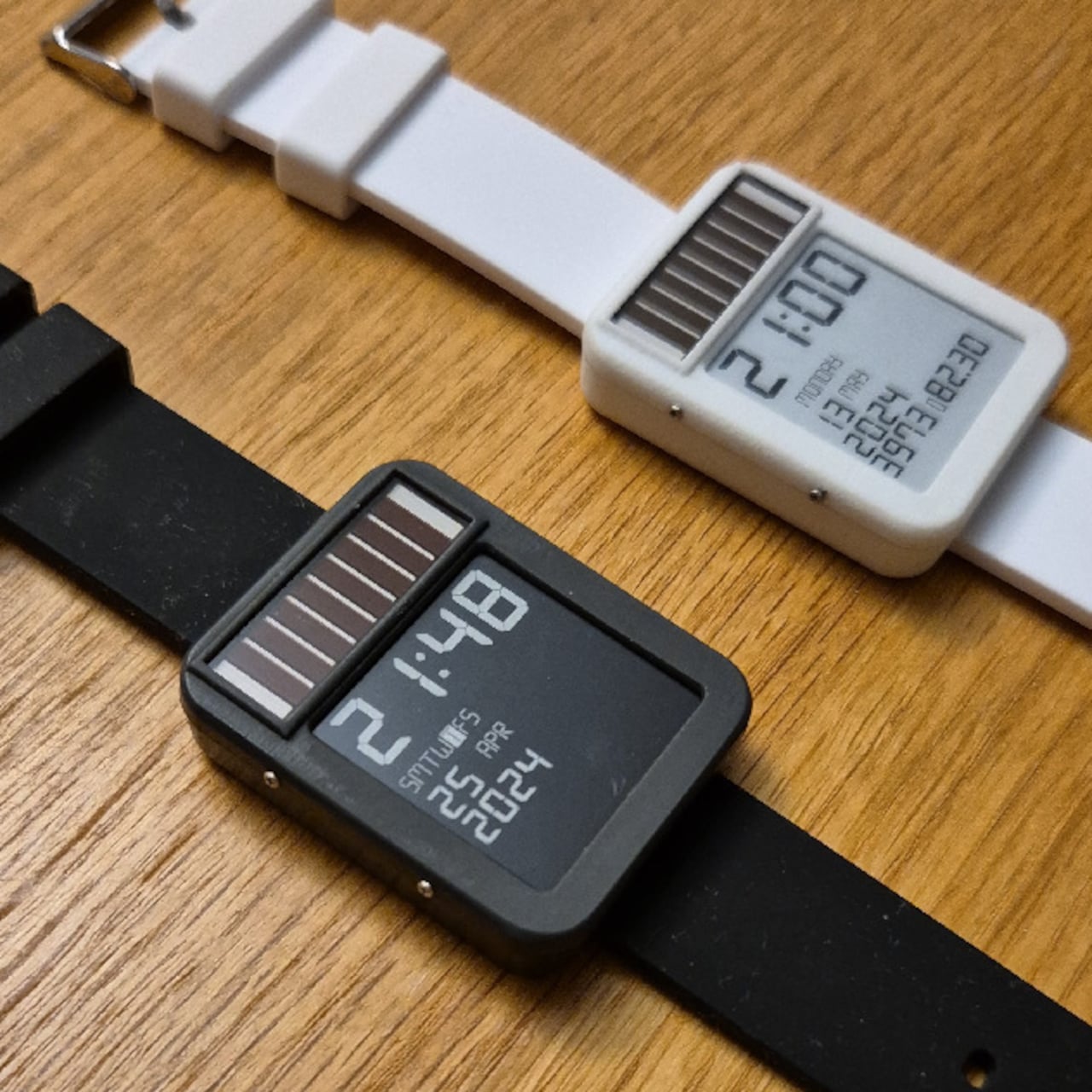
    The LightInk is an attempt to solve that problem by going back to a design philosophy that worked decades ago: solar. The concept mimics the 90s solar digital watches that ran more or less indefinitely, but brings it into the present with an E-Ink display, an ESP32 microcontroller, WiFi, Bluetooth, LoRa radio, and a custom power management system built from scratch over several years.

    Designer: Daniel Ansorregui

    The project started in 2019 with a simple goal: build a solar-powered watch that could send LoRa packets to a receiver at home. After experimenting with early hardware and contributing display optimizations to the open-source Watchy project, the creator hit the limits of what off-the-shelf hardware could manage and built a custom PCB around a TPS63900 buck-boost converter, running the watch at 2.7V.

    The biggest technical hurdle turned out to be the microcontroller itself. The ESP32 takes 28ms to boot, consuming around 1mA of current in the process, and that cycle was responsible for about 60% of the watch’s total power draw without contributing anything to the actual display update. The solution was to skip normal boot entirely and run code directly from the ESP32’s RTC memory via a wake stub.

    That required reimplementing SPI communication from scratch within the RTC memory constraints, since no code outside that space can run during the stub phase. The payoff was significant: the entire boot, data send, and display update sequence now completes in under 1ms. Once the display is refreshed, the ESP32 immediately returns to deep sleep, saving an additional 1mA that would otherwise be consumed during light sleep.

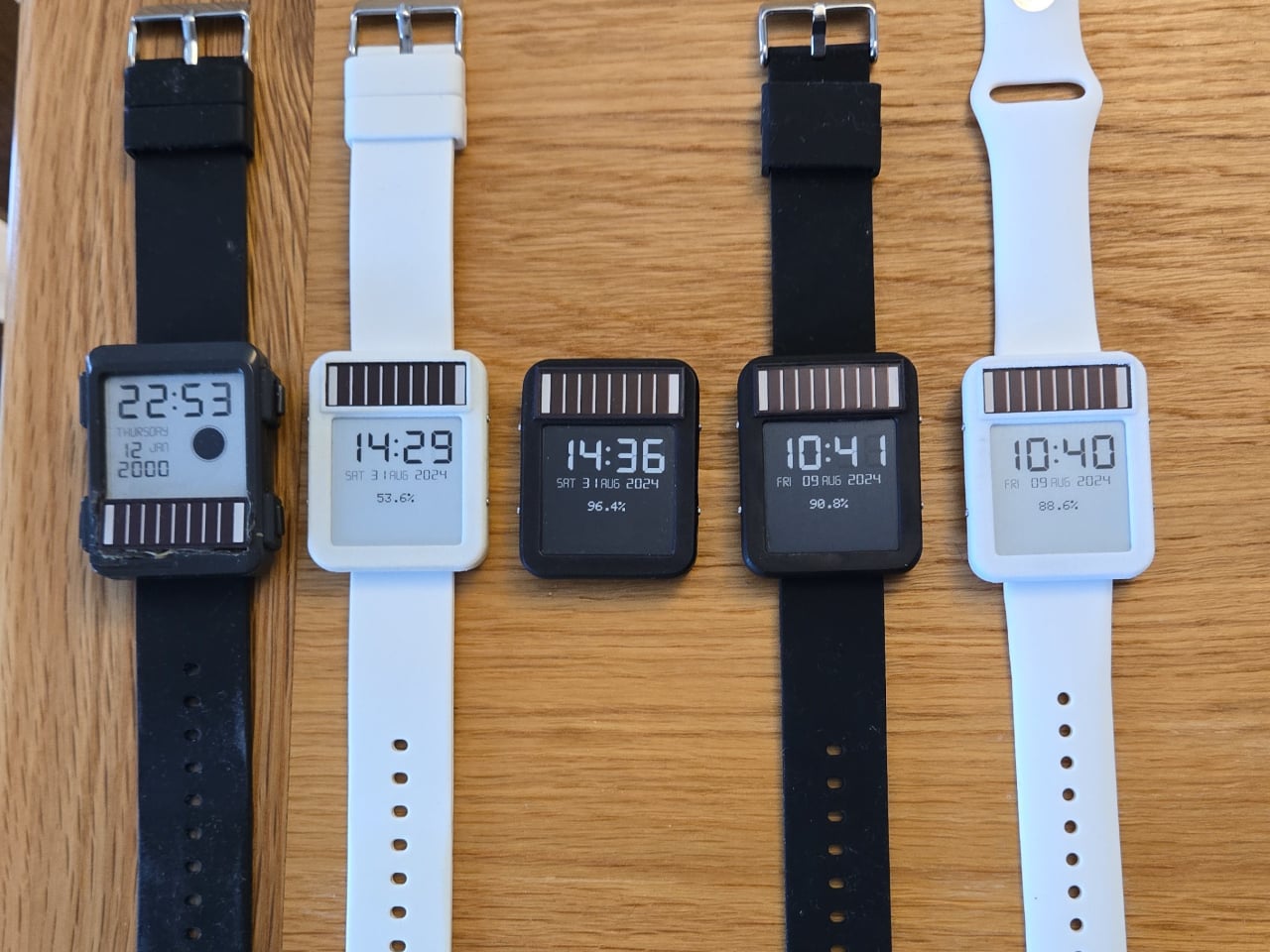
    The result is a watch that runs for six to 10 months on a 100mAh battery, which is already an unusual number for a device this capable. Add the solar panel, similar in type to the kind found on pocket calculators, and the power equation starts to tilt toward indefinite. One hardware revision ran for nine months on battery alone before being retired for a newer build.

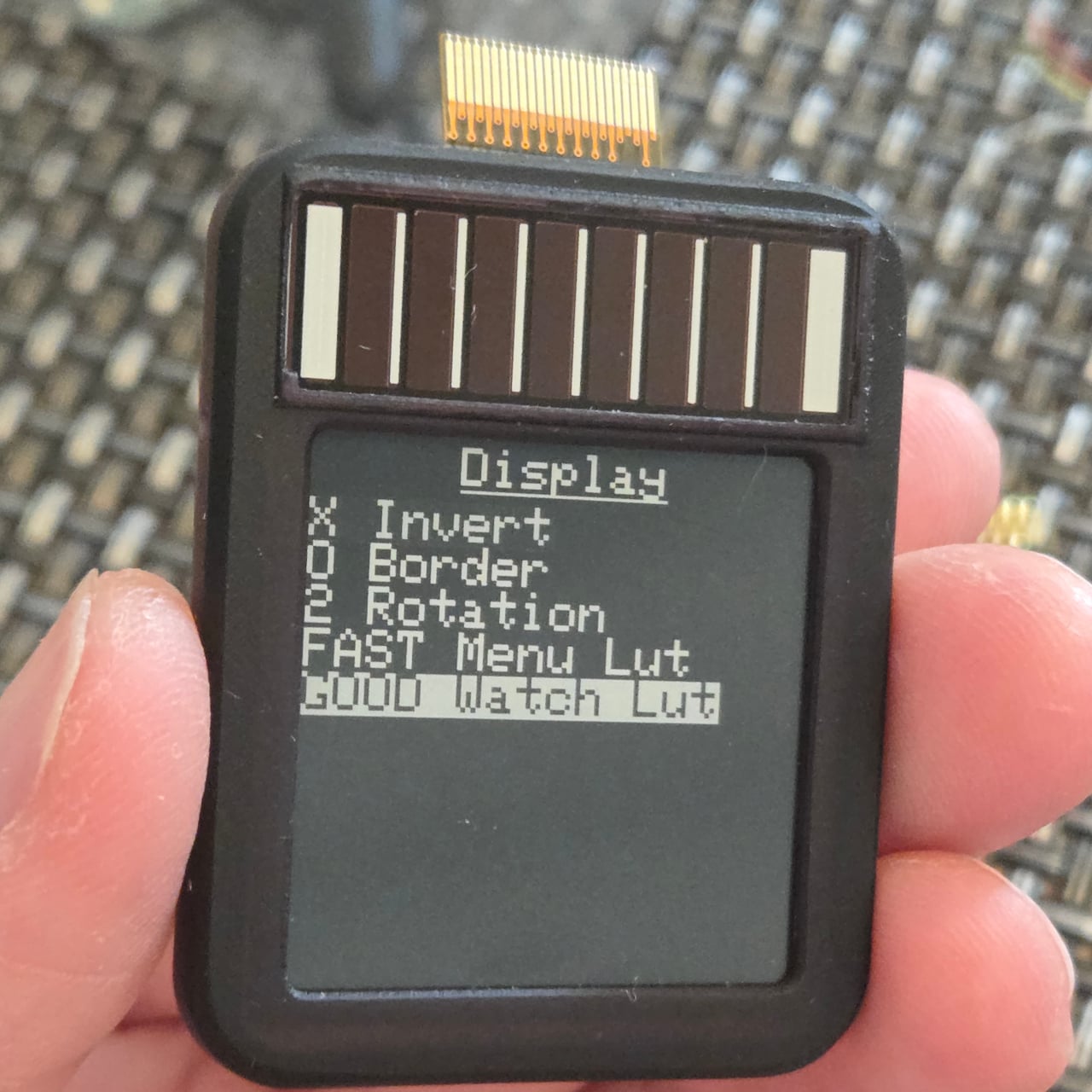
    The 1.54-inch E-Ink display helps keep those numbers achievable. Electrophoretic displays only draw power when changing states and hold their image indefinitely without any power at all, which makes them an obvious fit for a watch face that updates once per minute rather than 60 times per second. Touch controls via the ESP32’s built-in capacitive touch capability handle navigation, making physical buttons unnecessary and allowing for a more compact case.

    The watch supports WiFi, Bluetooth, and LoRa via a Wio-SX1262 radio module, and GPS can be added as an optional component, though the creator notes it wasn’t a particularly good idea given the space and power it consumes. The case is 3D printed in two pieces and accepts any standard 22mm wristband. Everything, including the firmware, PCB schematics, and case files, is open source and available on GitHub.

    The post This Solar Smartwatch Ran 9 Months on Battery, Then the Panel Kicked In first appeared on Yanko Design.

  • Yanko Design yankodesign.com design product-design yanko-design 2026-06-18 16:20
    ↗

    A Designer Just Made a Water Purifier That Skips the Technician CallWater purifiers are practically mandatory in modern Indian homes, but for a category that handles something as critical as drinking water, they’ve never been particularly...

    Water purifiers are practically mandatory in modern Indian homes, but for a category that handles something as critical as drinking water, they’ve never been particularly pleasant to live with. Most demand frequent service calls that add to their long-term cost, look like they were designed to be hidden under a counter, and turn something as simple as filling a bottle into a minor exercise in patience.

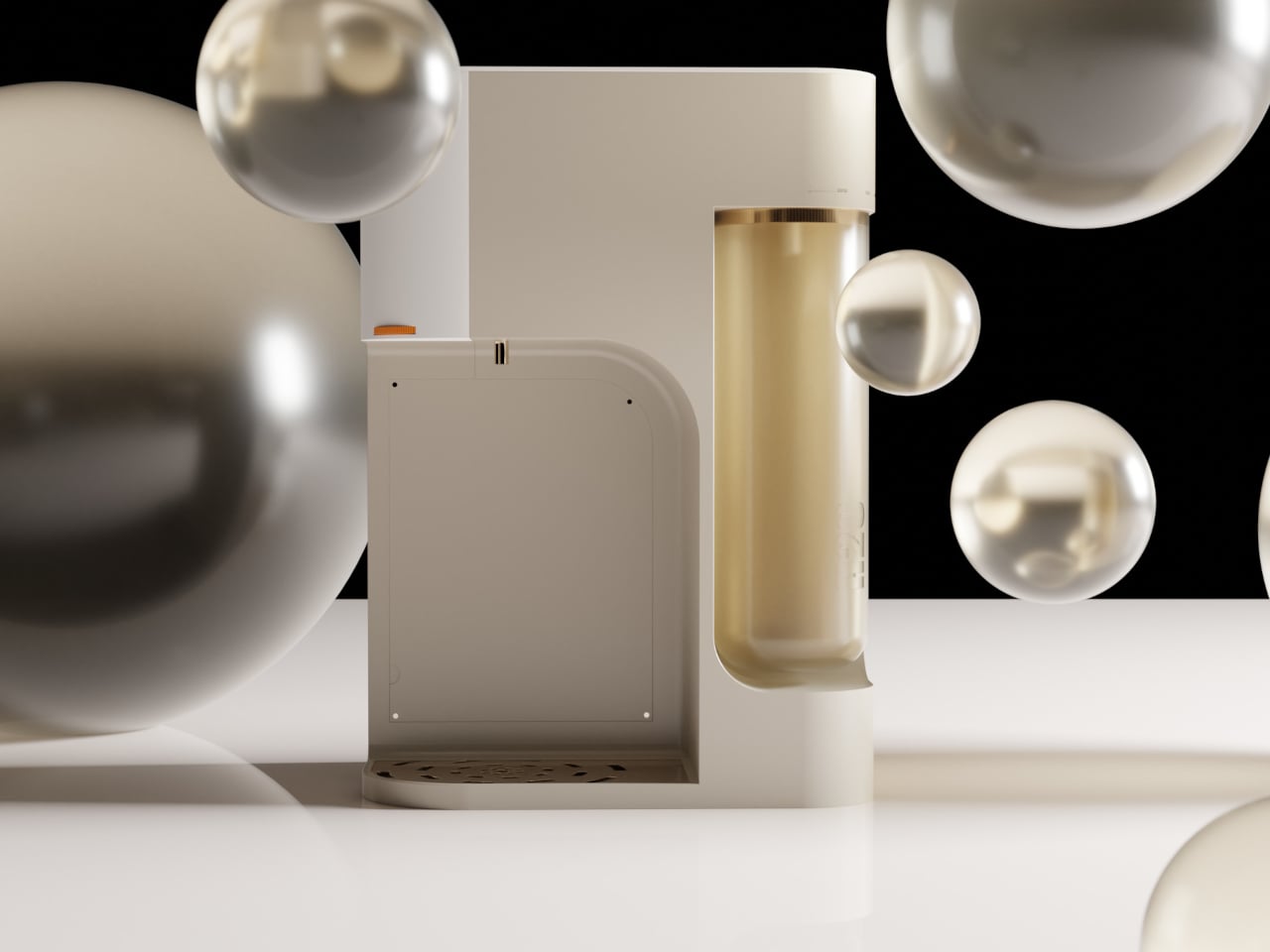
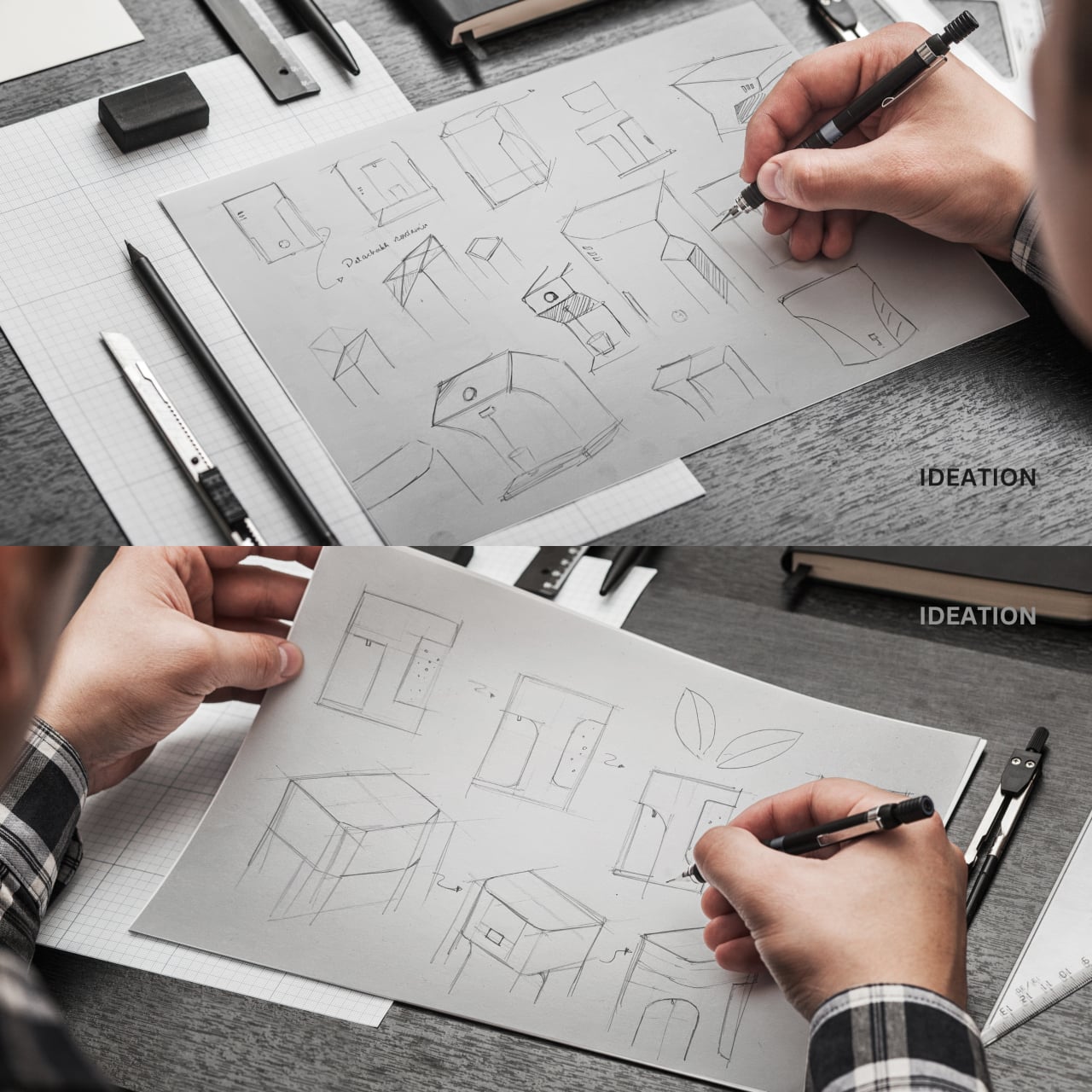
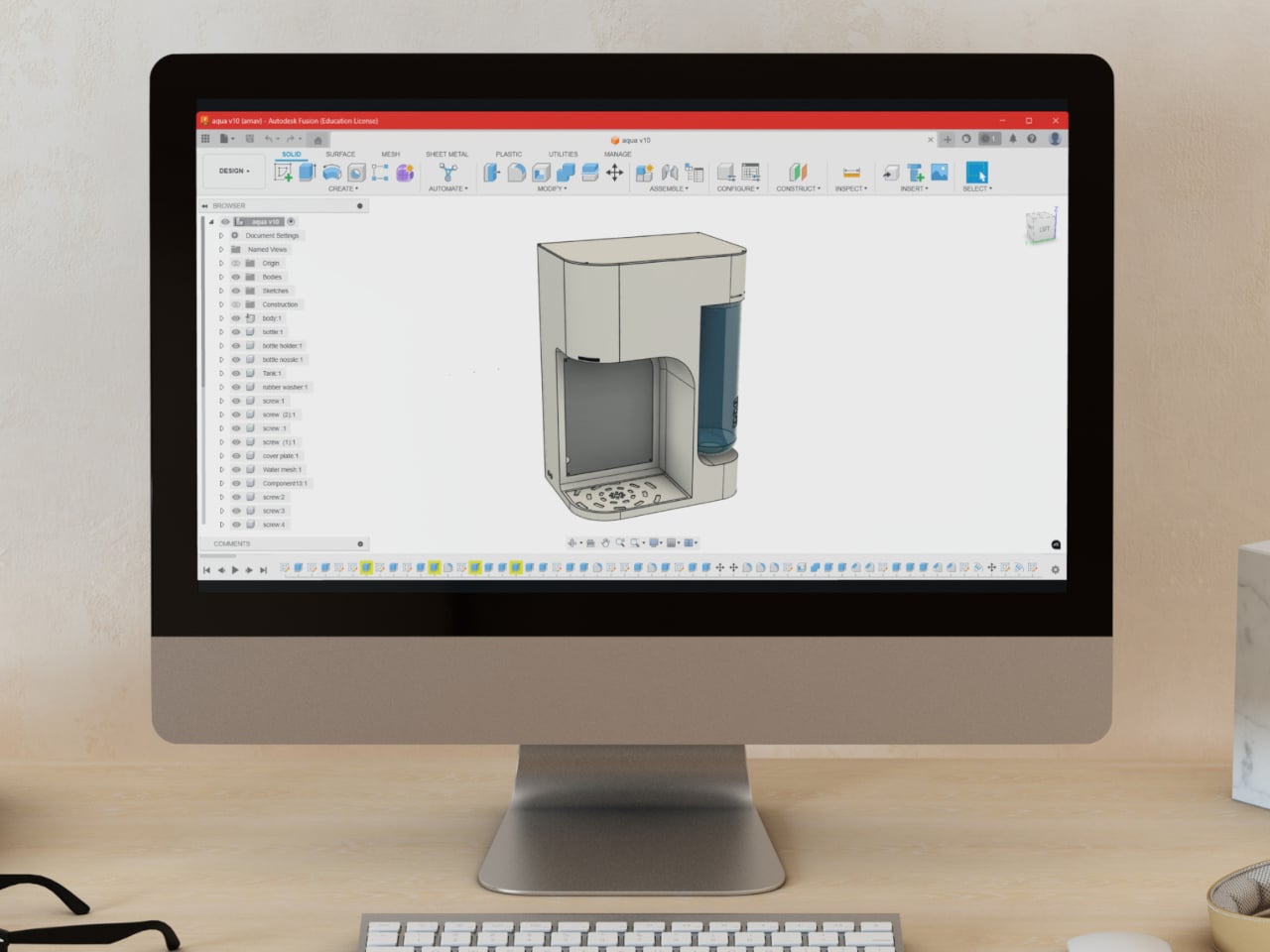
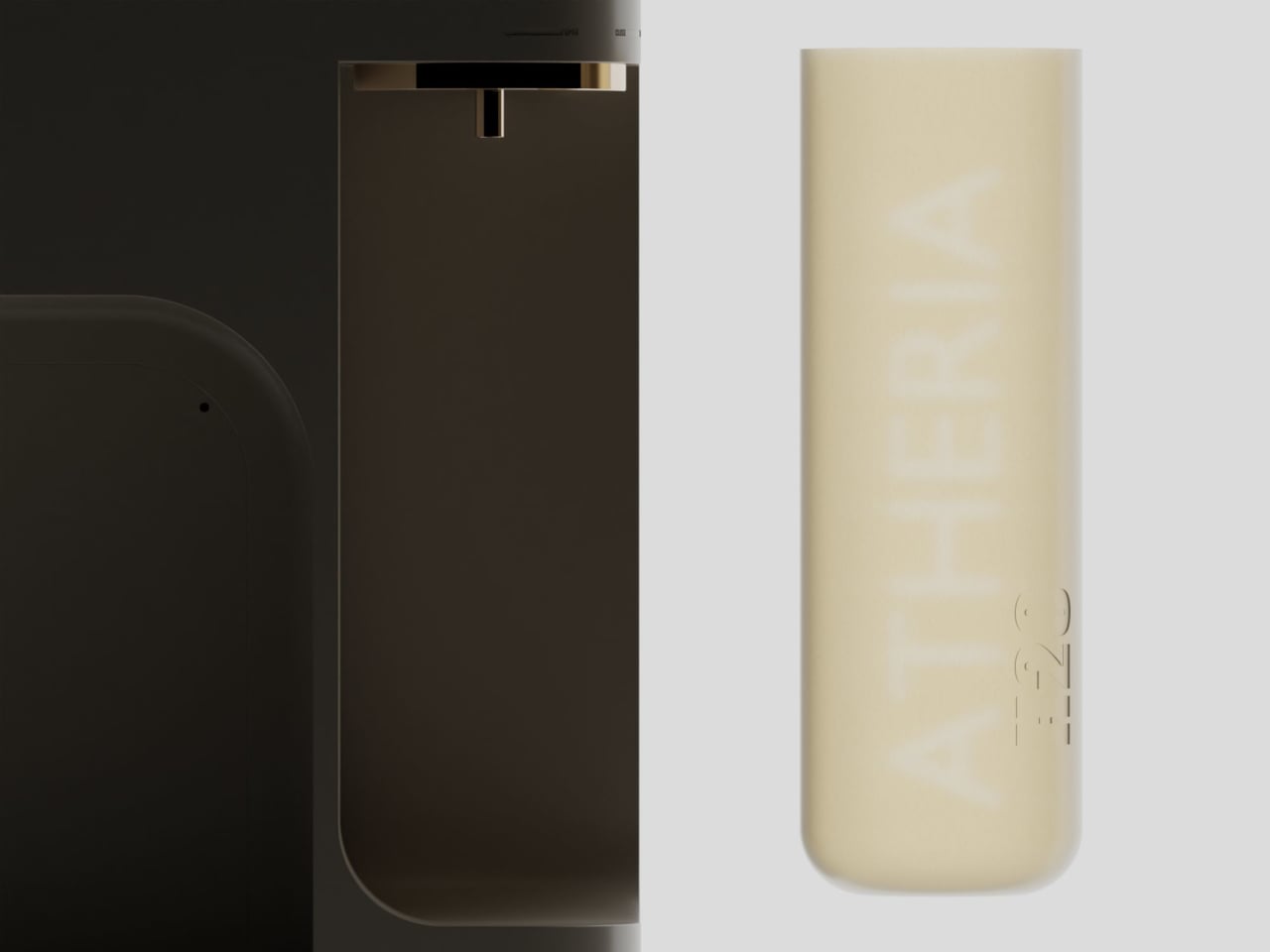
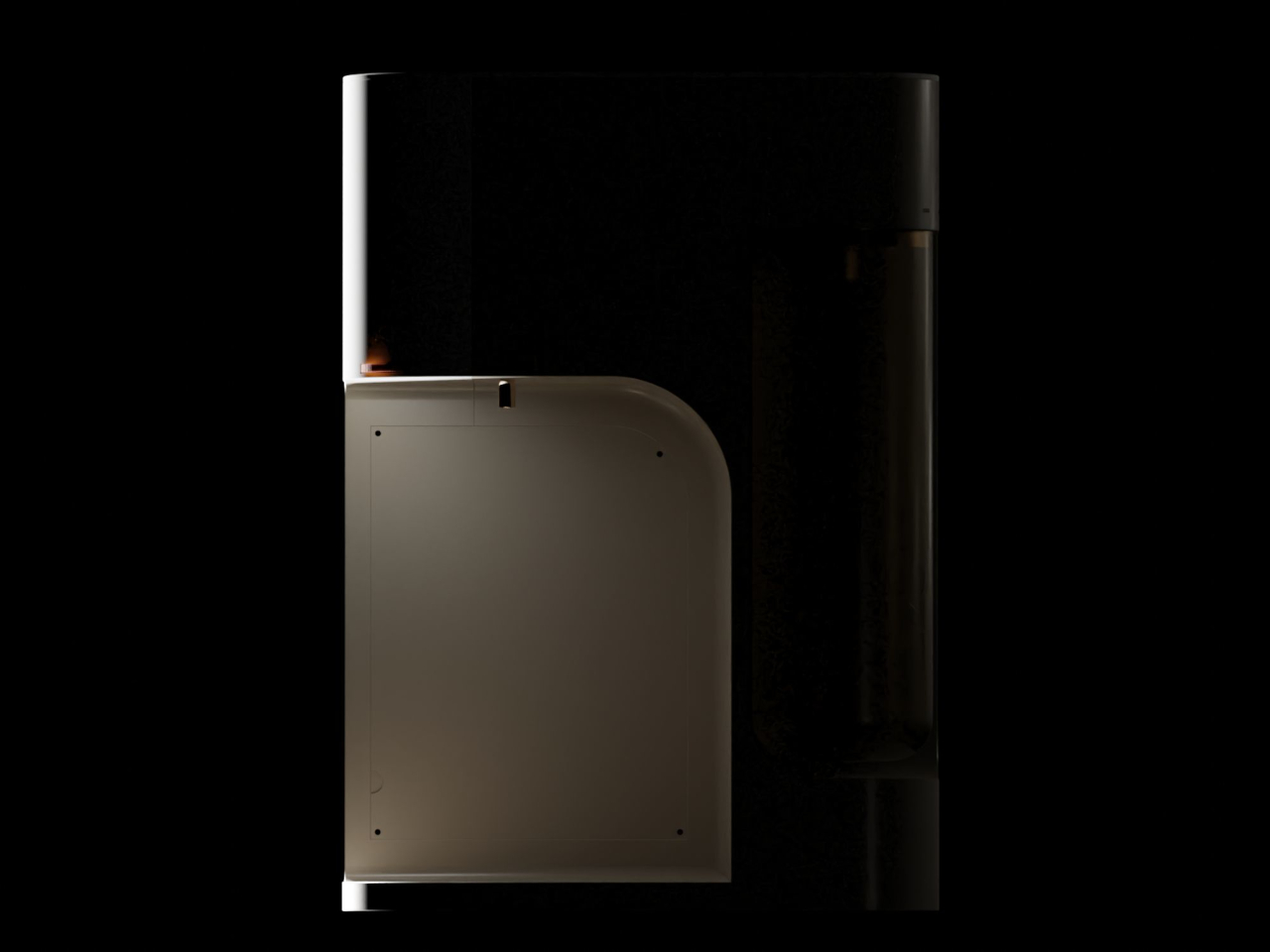
    ATHERIA is a smart water purifier concept designed for modern Indian households, and it approaches the problem from multiple angles at once. Rather than improving a single element, it takes aim at several everyday friction points simultaneously, from how the unit looks on a kitchen counter to how easy it is to fill a bottle, replace a cartridge, or check water quality.

    Designer: Arnav Ashwin

    The design draws from Japandi principles, a blend of Japanese minimalism and Scandinavian sensibility focused on warmth, simplicity, and craftsmanship. The result is a compact, rounded purifier with a warm taupe and gold finish that reads more like a considered kitchen appliance than a water treatment machine. It comes in multiple colorways and sits on a countertop without dominating the space around it.

    One of the more thoughtful additions is a 2.5-liter secondary detachable container. Filling a bottle or a cooking pot directly from a purifier tap can be slow and awkward, especially mid-cook. The container solves this by letting you pour pre-filled water directly into whatever you need, then reattach it to the purifier, which refills it automatically using analog weight sensors.

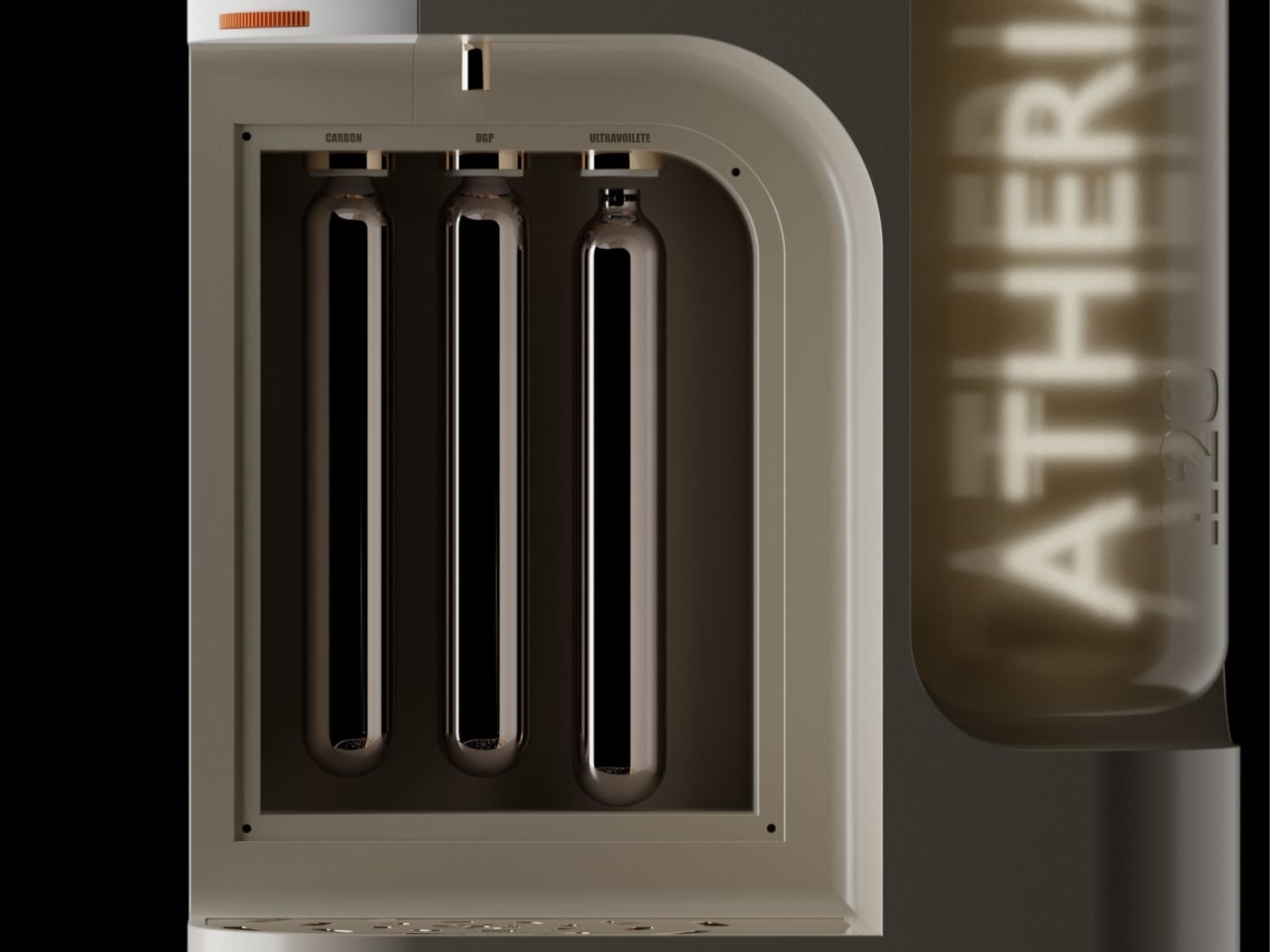
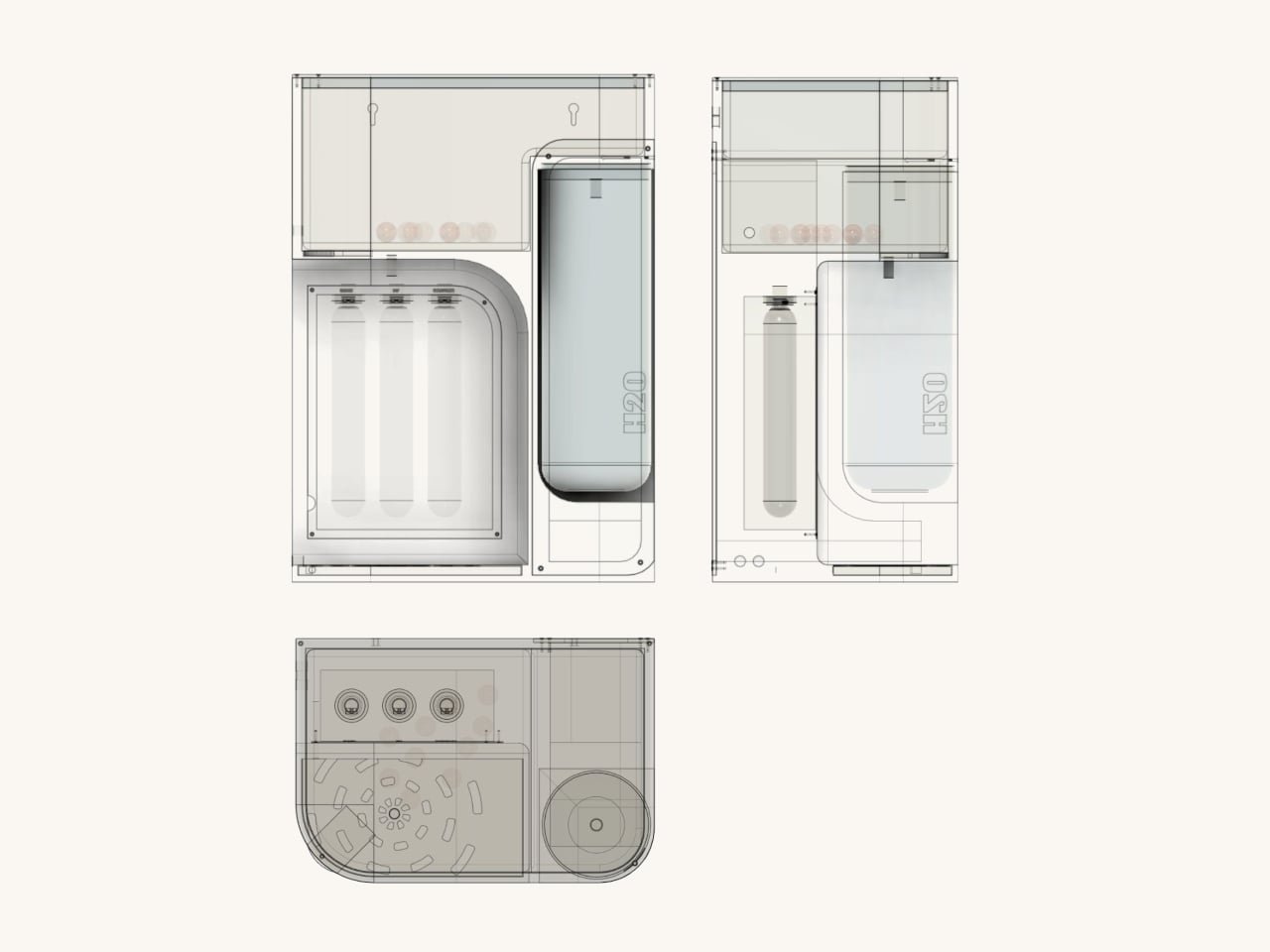
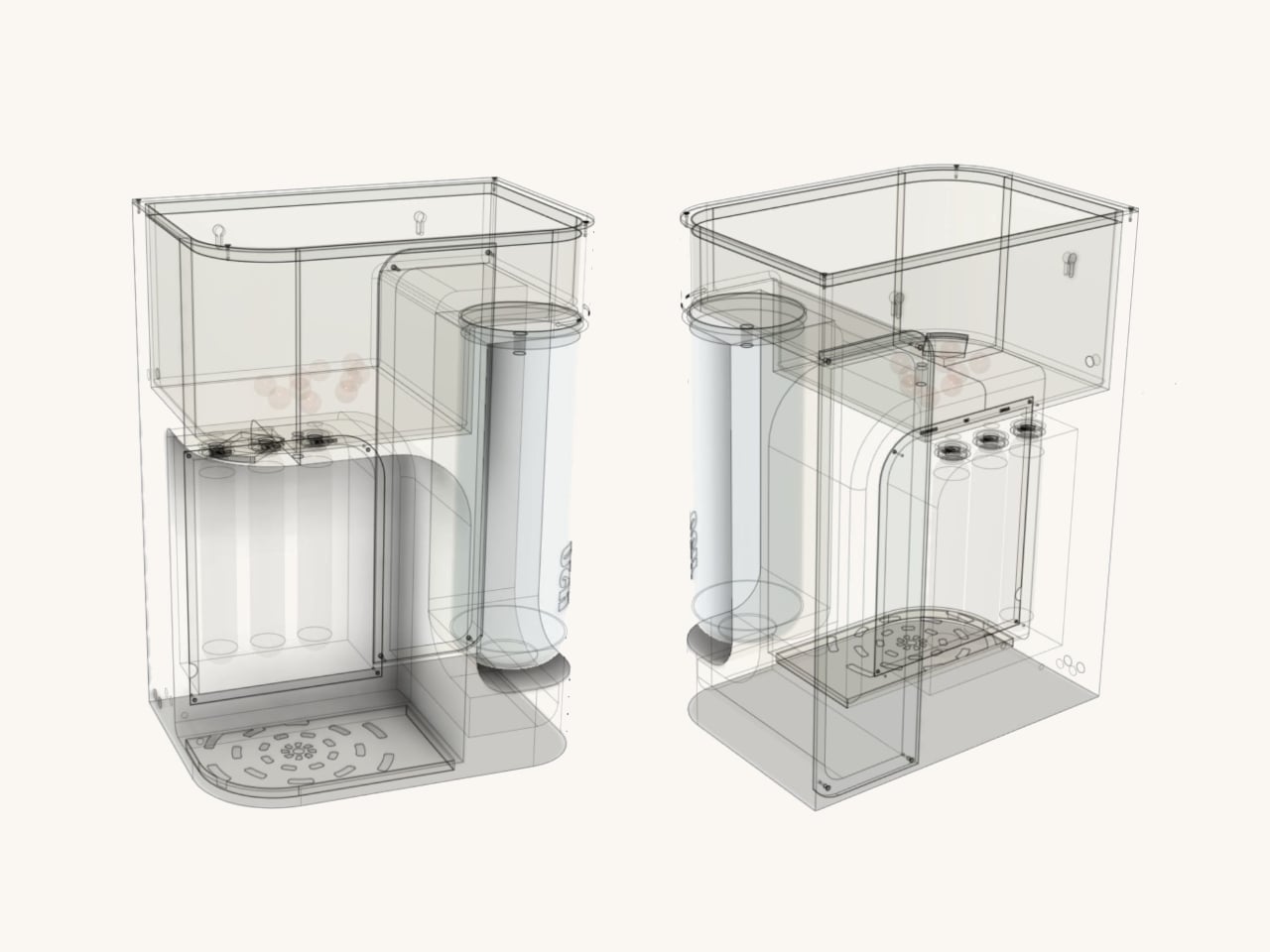
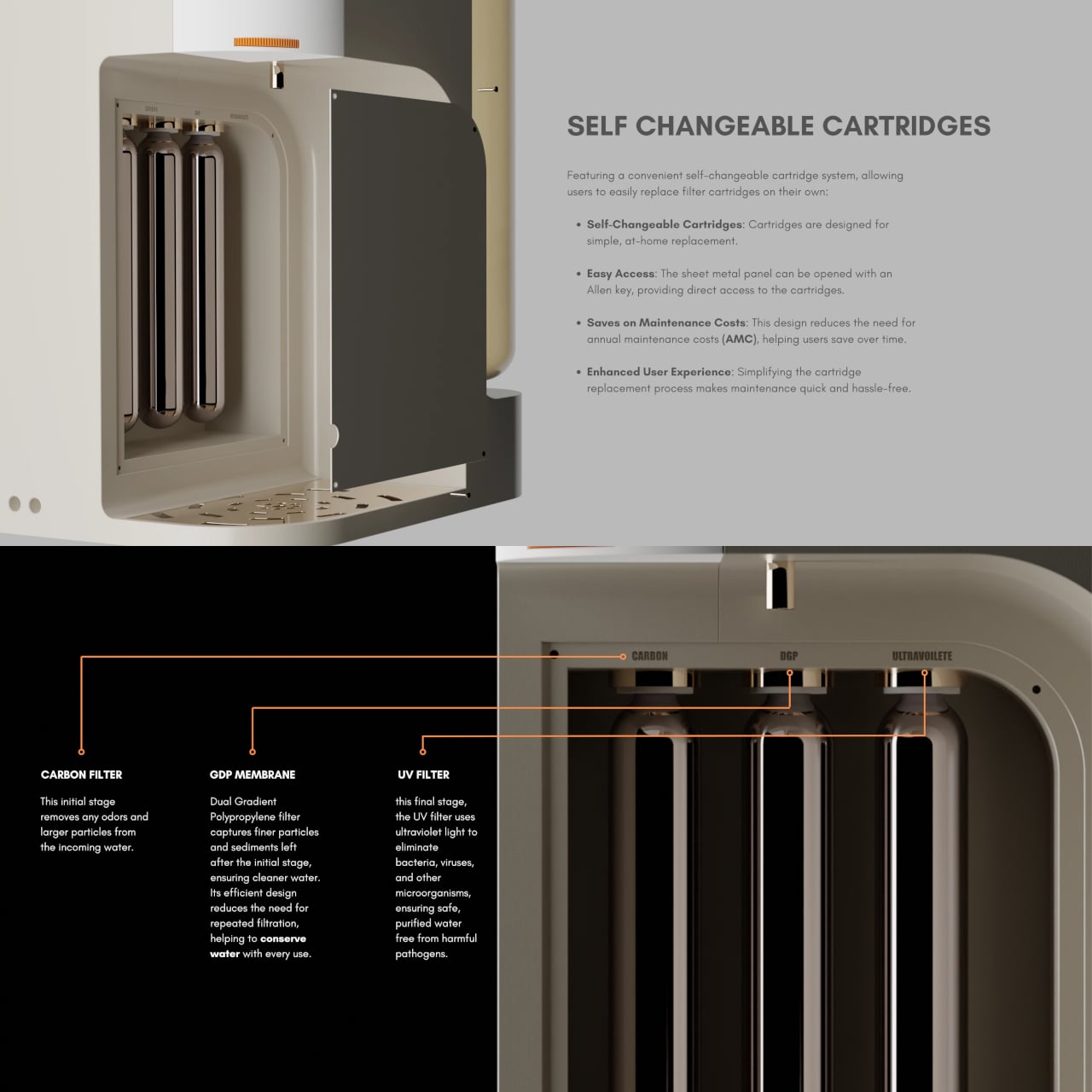
    ATHERIA’s three-stage filtration runs water through a carbon filter to remove odors and larger particles, then a dual-gradient polypropylene membrane for finer sediment, and finally a UV filter to eliminate bacteria, viruses, and other microorganisms. The membrane’s efficient design reduces repeated filtration passes, conserving water in the process, which directly addresses a concern shared by 64% of users surveyed during the design research phase.

    Maintenance usually drives up the long-term cost of owning a water purifier, mostly because replacing cartridges typically requires a paid technician visit. ATHERIA’s self-changeable cartridge system gets around that. The side panel opens with an Allen key, giving direct access to all three filter cartridges, each of which turns to fit or release. No service call needed, which cuts down on annual maintenance costs considerably.

    The companion app displays tap TDS, output TDS, individual cartridge health, and daily water and energy usage. Output TDS is adjustable from the settings, and cartridge change reminders can be set manually. It also links to Google Nest, which can push voice alerts when TDS levels rise above safe standards or when a specific cartridge is approaching the end of its life.

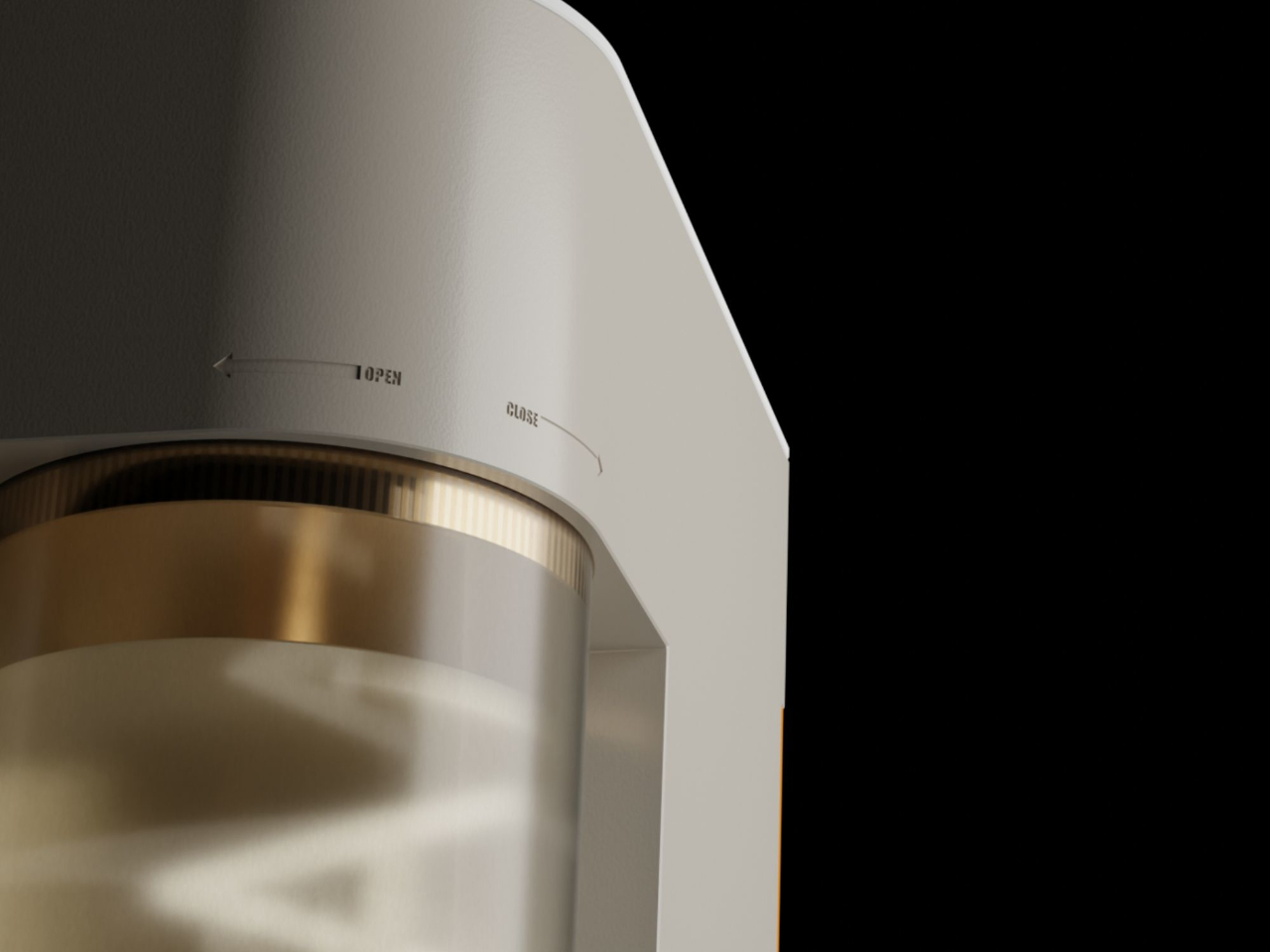
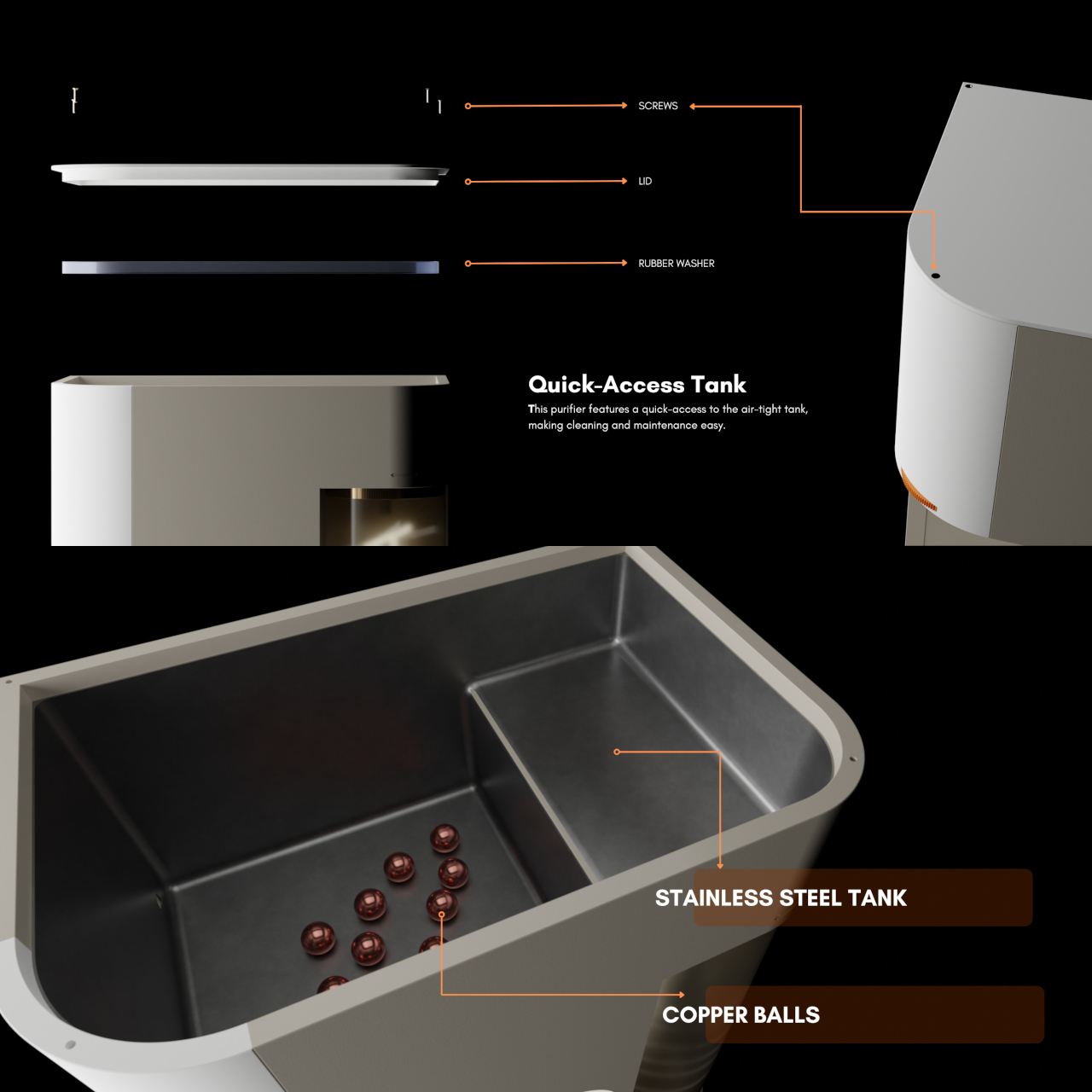
    The stainless steel storage tank includes copper balls for natural antimicrobial contact, and the bi-directional ratchet tap controls flow speed by how far it’s turned, with built-in markings to minimize spillage. ATHERIA is still just a concept, but the depth of research behind each decision, from the detachable container to the cartridge access panel, gives every friction point in the experience a concrete answer rather than an afterthought.

    The post A Designer Just Made a Water Purifier That Skips the Technician Call first appeared on Yanko Design.

  • Yanko Design yankodesign.com design product-design yanko-design 2026-06-18 15:20
    ↗

    Nike Caitlin 1, Caitlin Clark’s debut signature shoe launched in Racer Blue colorwayWomen’s National Basketball Association (WNBA) players with their own signature shoes are growing in numbers. The latest to join the ranks is Caitlin Clark, the...

    Women’s National Basketball Association (WNBA) players with their own signature shoes are growing in numbers. The latest to join the ranks is Caitlin Clark, the Indiana Fever player who debuts her first Nike-branded collaboration footwear, designed especially for the hardwood court.

    Caitlin Clark’s signature Nike shoe has been a long time coming. The two have spent almost the last two years working on the footwear that will now finally start shipping from October 1, 2026. Nike announced on its social media account.

    Designer: Nike

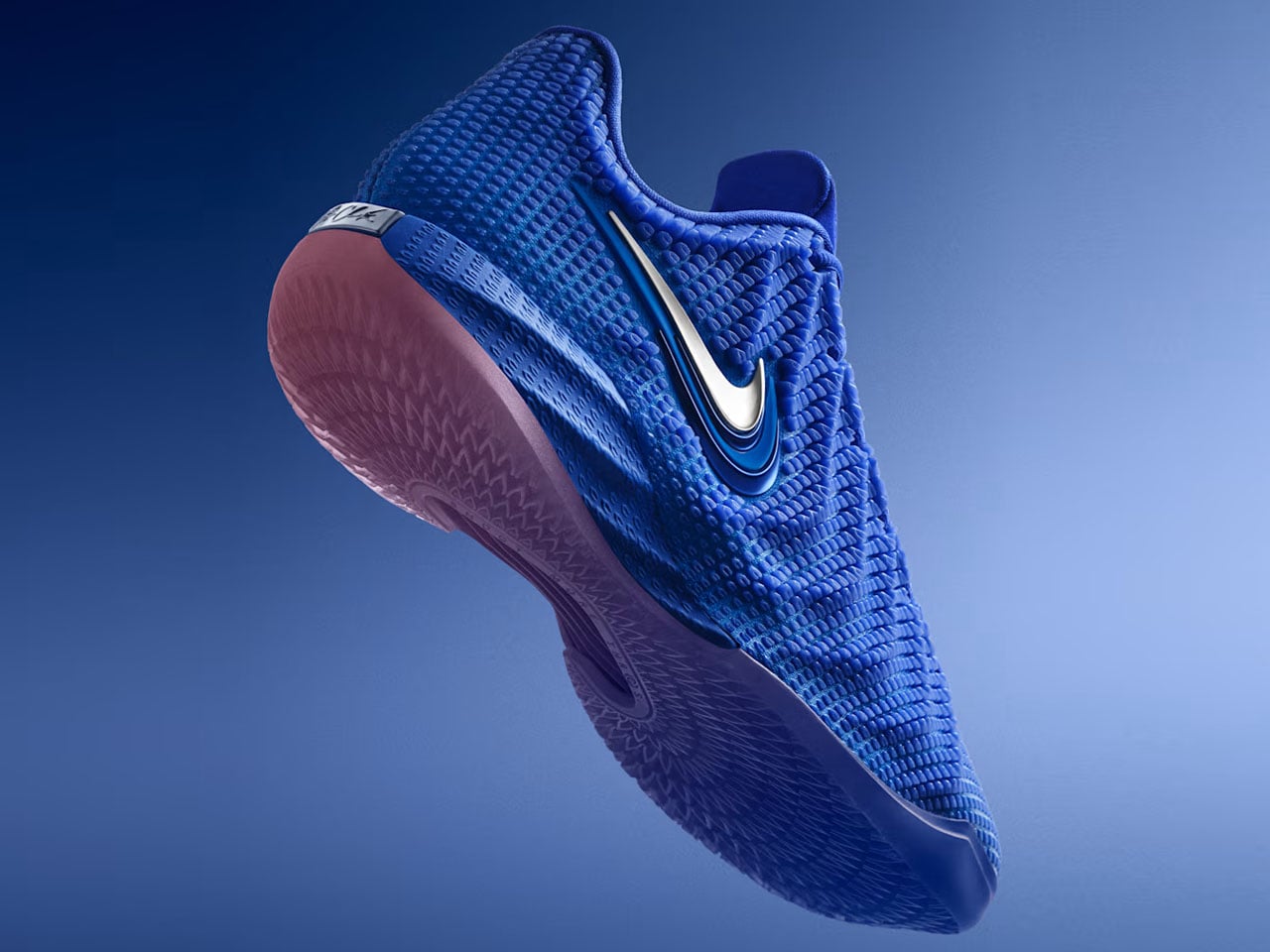
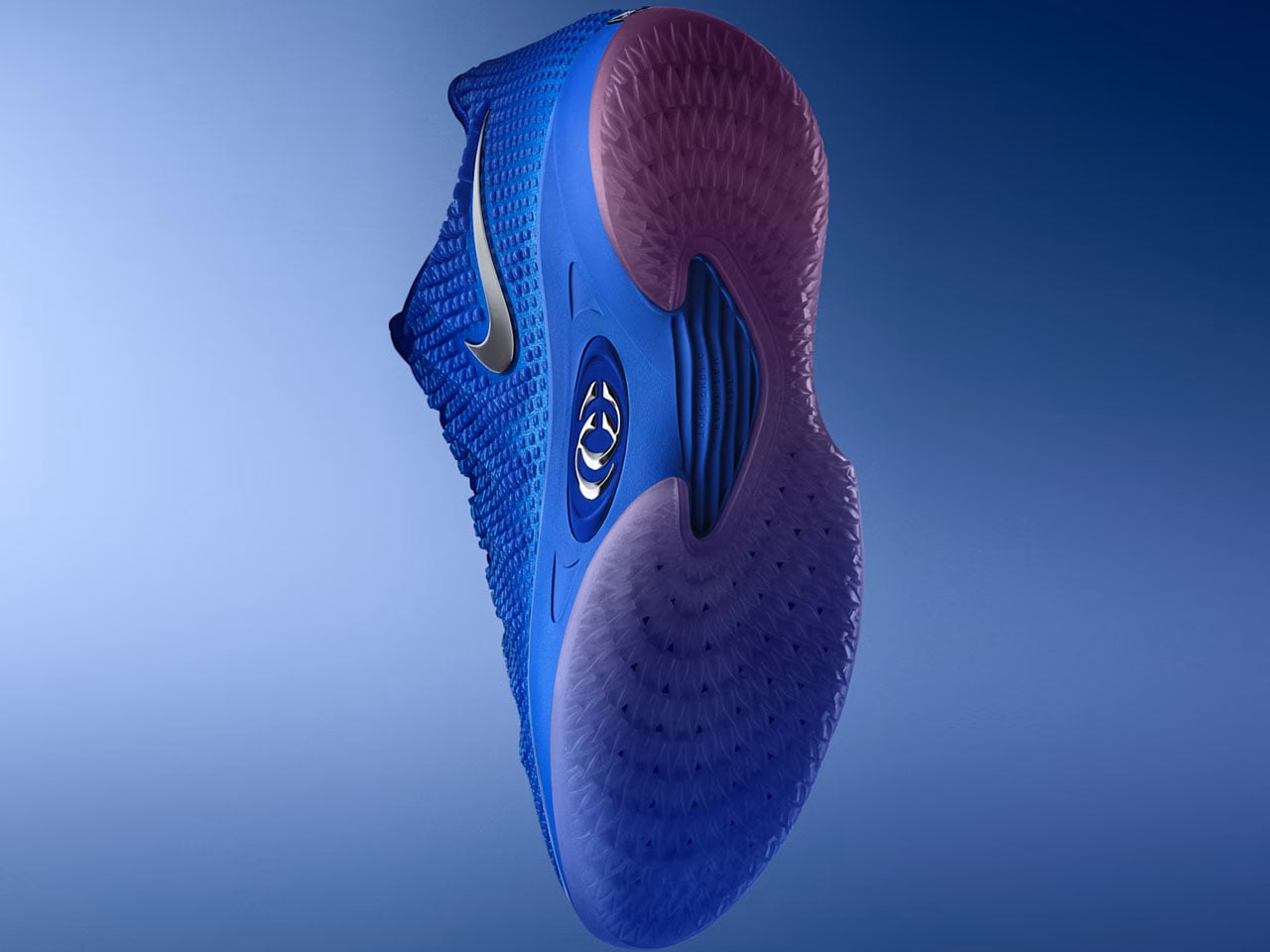
    Called the Caitlin 1, it will be available in a solitary “Racer Blue” colorway. Nike has officially shared the picture highlighting the immensely detailed architecture of the shoe. The wavy design has a multi-layered cushioning and is, the company says, optimized for on-court use. The signature silhouette, personalized for hardwood, touts an athletic body that’s distinct from previous Nike signature iterations.

    In addition to its conformity with the court, the Caitlin 1 has a low-cut design, which is also stylized to complement Indian Fever guard’s explosive style of play involving quick cuts and fast breaks. The silhouette features a specially made Opticast upper and has angular notes changing height along the various surfaces of the basketball shoe. However, it has a smooth transition from the heel to the toe. The midsole features Nike’s Cushlon cushioning along with the Zoom Turbo unit in the forefoot.

    Remarkable addition on the footwear, designed to deliver support and secure lockdown during the intense movements on the court, is the repeated “CC” and “22” details on its exterior. This is a nod to Caitlin’s personal branding and jersey number. “Caitlin was hands-on with our designers, obsessed with getting every detail right. See it in the double Swoosh logo that nods to her initials and the three-point arc,” Nike details on the product page.

    For all the Caitlin fans or otherwise, the Nike Caitlin 1 is slated to officially drop on October 1. It will be available in all sizes starting at $140 for adults. Kids’ and youth sizes will be priced at $115 and $105, respectively. Alongside the shoe, Nike will also be shipping an 18-piece collection dedicated to the guard, Caitlin Clark.

    In other news, Nike has also officially announced the Air Force 1 Low “Sunflower.” Released as part of the company’s experimental lifestyle catalog, following the “Leaf Camo” and “Cherry Blossom” editions, it gives a new meaning to the classic low styling of the AF1. The sneaker features a removable yellow shroud featuring graphic sunflower petals placed one over the other to achieve a ruffled texture on the shoe exterior. This experimental Nike Air Force 1 Low “Sunflower” will ship in Fall 2026 for a retail price of $125.

    The post Nike Caitlin 1, Caitlin Clark’s debut signature shoe launched in Racer Blue colorway first appeared on Yanko Design.

  • Yanko Design yankodesign.com design product-design yanko-design 2026-06-18 14:20
    ↗

    A Wind Turbine That Goes Anywhere, Even Where the Grid Doesn’tMost of us picture wind turbines the same way: massive, industrial, planted firmly on a hillside or out at sea, part of a choreographed grid...

    Most of us picture wind turbines the same way: massive, industrial, planted firmly on a hillside or out at sea, part of a choreographed grid infrastructure that took years and millions of euros to build. That image isn’t wrong, but it’s incomplete. And French designer Fabien Brun is one of the people quietly trying to fill in the gap.

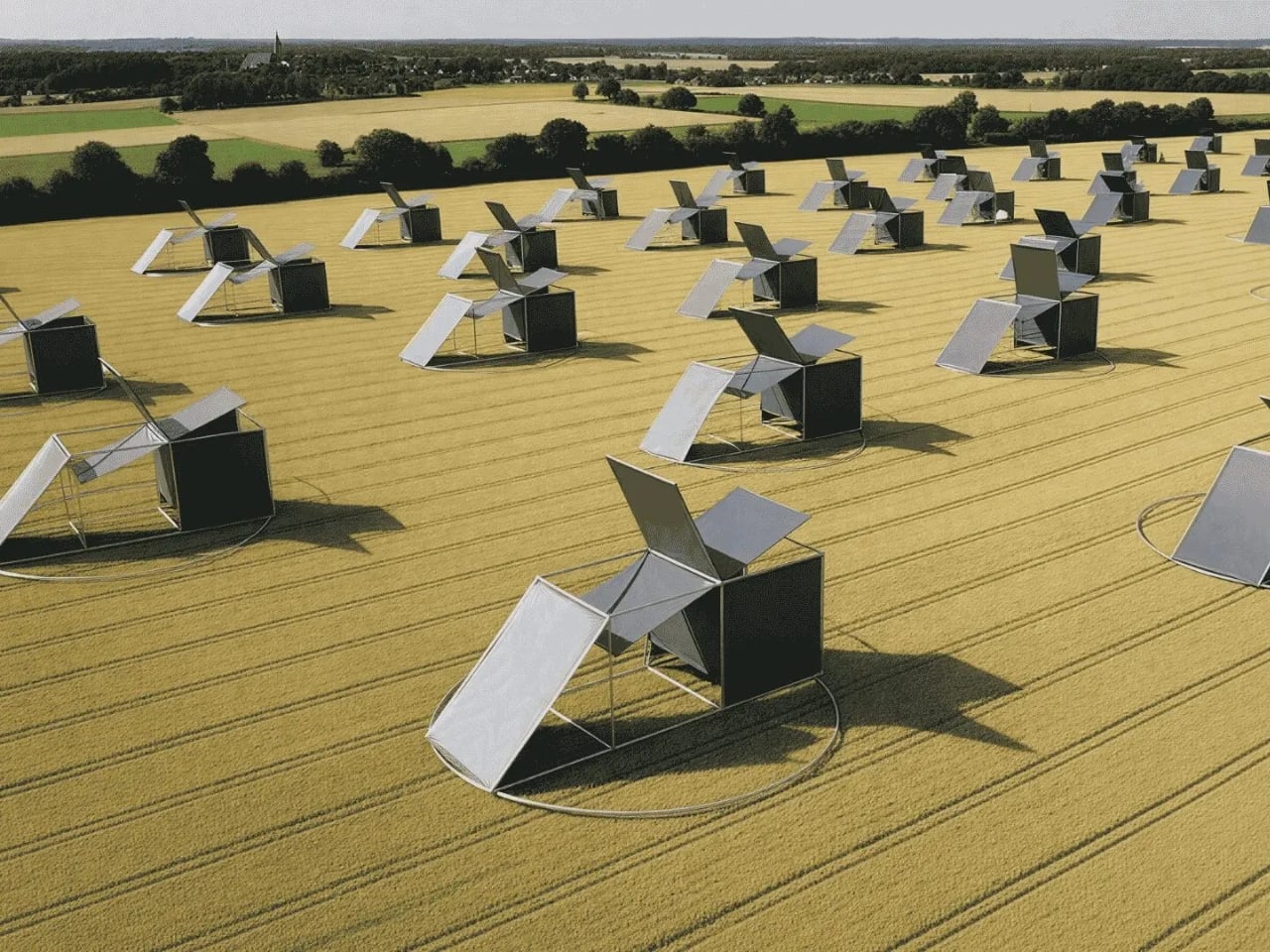
    Brun’s project, Wind to Watt, is a modular wind turbine concept that challenges the assumption that clean energy has to arrive at scale or not at all. The pitch is simple: wind is everywhere, so the technology that captures it should be too. Whether you’re on a rooftop in Morocco, a remote construction site in the Sahara, a farmland in Eastern Europe, or an offshore platform in the middle of the ocean, Wind to Watt is designed to work there, without drama, without heavy machinery, and without rerouting the landscape to accommodate it.

    Designer: Fabien Brun

    What makes the design genuinely interesting isn’t its ambition alone. It’s the materials. The turbine is built from aluminum tubes and plastic tarpaulins, which sounds almost too simple, but that simplicity is entirely the point. Rustic, lightweight, and practical. Heavy machinery needs cranes and specialists. This needs neither. The terrain doesn’t need to be modified, no concrete bases poured, no complex grid hookup required. You bring it, you assemble it, and the wind does the rest.

    That low-tech philosophy runs all the way through the product. The aluminum and plastics used are 100% recyclable, which puts it well ahead of most conventional turbines, whose composite blades have been making headlines for all the wrong reasons lately. Blade waste is a genuine and growing crisis in the wind industry right now, with older turbines reaching end-of-life and their non-recyclable fiberglass components heading straight to landfill. Wind to Watt sidesteps that problem entirely by making recyclability a design principle from the very beginning, not an afterthought.

    The price point is also hard to ignore. At €2,500, with a projected return on investment in five years and maintenance costs of just €50 per year, this is a product designed to be within reach, not just for utility companies but for individual communities, farmers, isolated worksites, and regions of the world where extending the traditional grid is simply not viable. Over 25 years, the projected gain sits at €10,000. Those numbers are not flashy, but they are honest. And in the renewable energy space, honesty about cost and return is rarer than you’d think.

    From a design perspective, the modularity is where the real elegance lives. Modular systems are forgiving by nature. They scale up or down depending on need, they’re easier to repair, easier to transport, and far more adaptable than monolithic structures that were designed for one location and one purpose. Brun’s approach treats wind energy less like a fixed infrastructure project and more like a tool, something you deploy where it’s needed rather than something that demands the world reshape itself around it.

    Wind to Watt is still in development, but it has already been technically and commercially validated internationally, with a pipeline of over 90 strategic contacts spanning Europe, the Middle East, Africa, and India. That’s a wide net, and it makes sense. The communities that have the most to gain from accessible, affordable, off-grid energy solutions are often the ones most underserved by traditional renewable energy rollouts, which tend to favor established infrastructure and wealthy markets.

    The broader conversation about renewable energy often gets stuck in the spectacular: offshore mega-farms, hydrogen pipelines, solar arrays blanketing entire deserts. Those solutions have their place and they’re necessary. But they’re not the whole story. The practical, low-tech end of the spectrum matters just as much, maybe more, if we’re serious about treating energy access as a global issue rather than a first-world design challenge.

    Wind to Watt doesn’t promise to solve everything. It promises to be useful, deployable, and affordable in places where those three things rarely arrive together. For a design world that sometimes mistakes scale for ambition, and ambition for impact, that restraint might be its most radical feature.

    The post A Wind Turbine That Goes Anywhere, Even Where the Grid Doesn’t first appeared on Yanko Design.

  • Yanko Design yankodesign.com design product-design yanko-design 2026-06-18 13:20
    ↗

    The Piano Key Holder Where Every Press Clicks Out a Hidden Brass HookKey hooks by the door are one of those things that somehow manage to be both boring and insufficient. The options range from plain metal...

    Key hooks by the door are one of those things that somehow manage to be both boring and insufficient. The options range from plain metal rails to the kind of decorative wooden boards that start out charming and quickly fade into background noise. Nobody has really questioned whether a key holder can be interactive, or whether hanging your keys could actually be the best part of coming home.

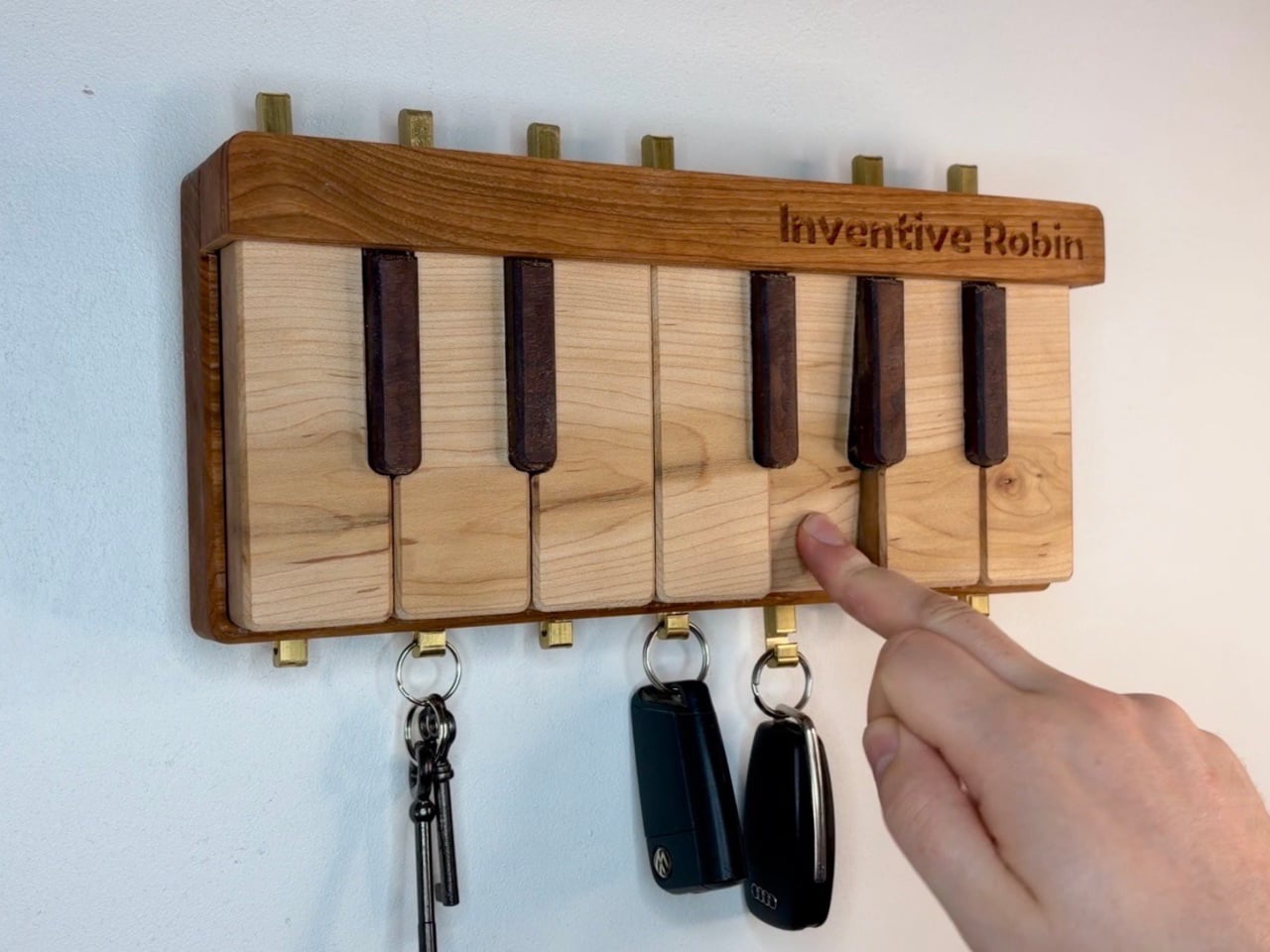
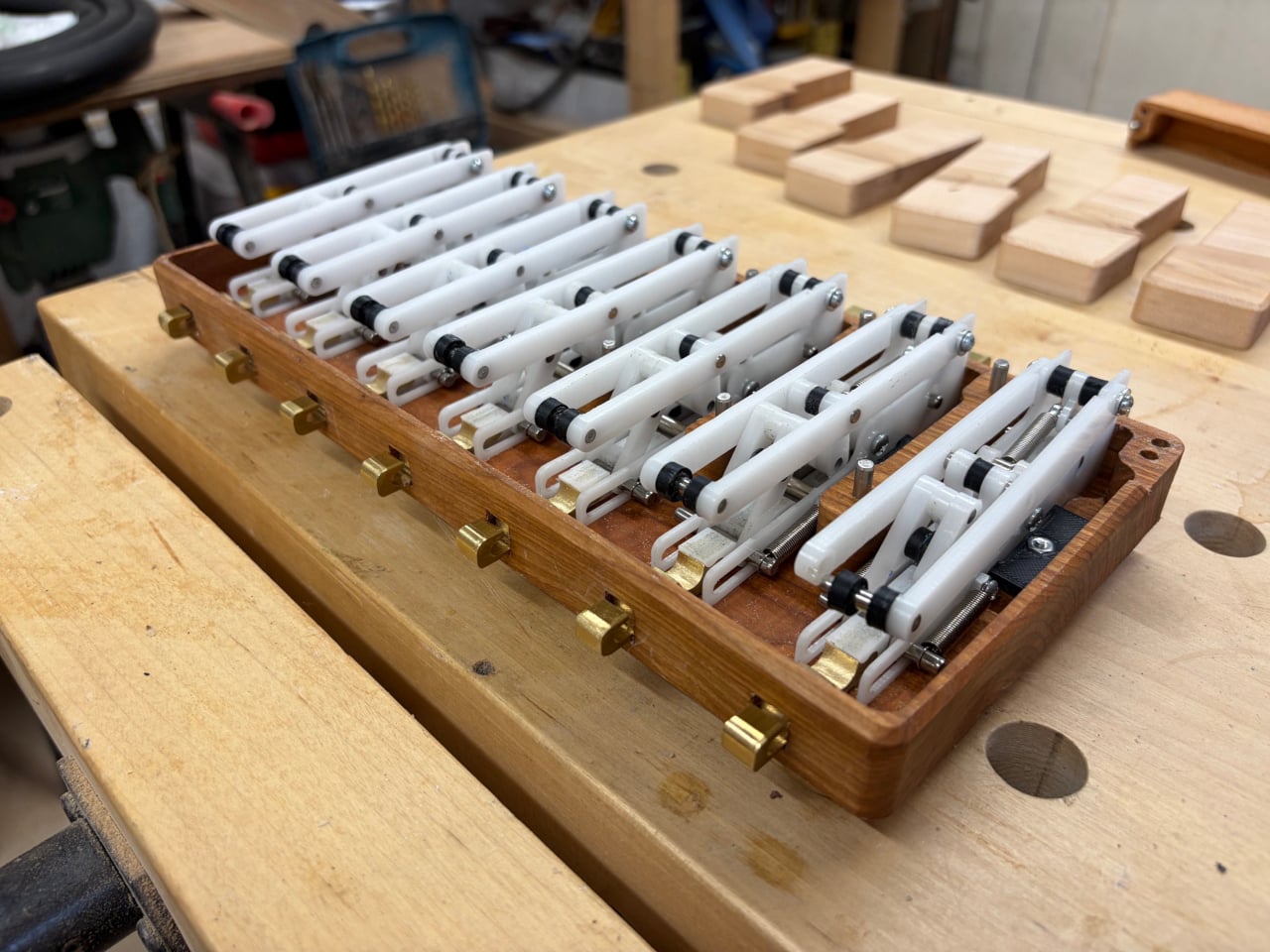
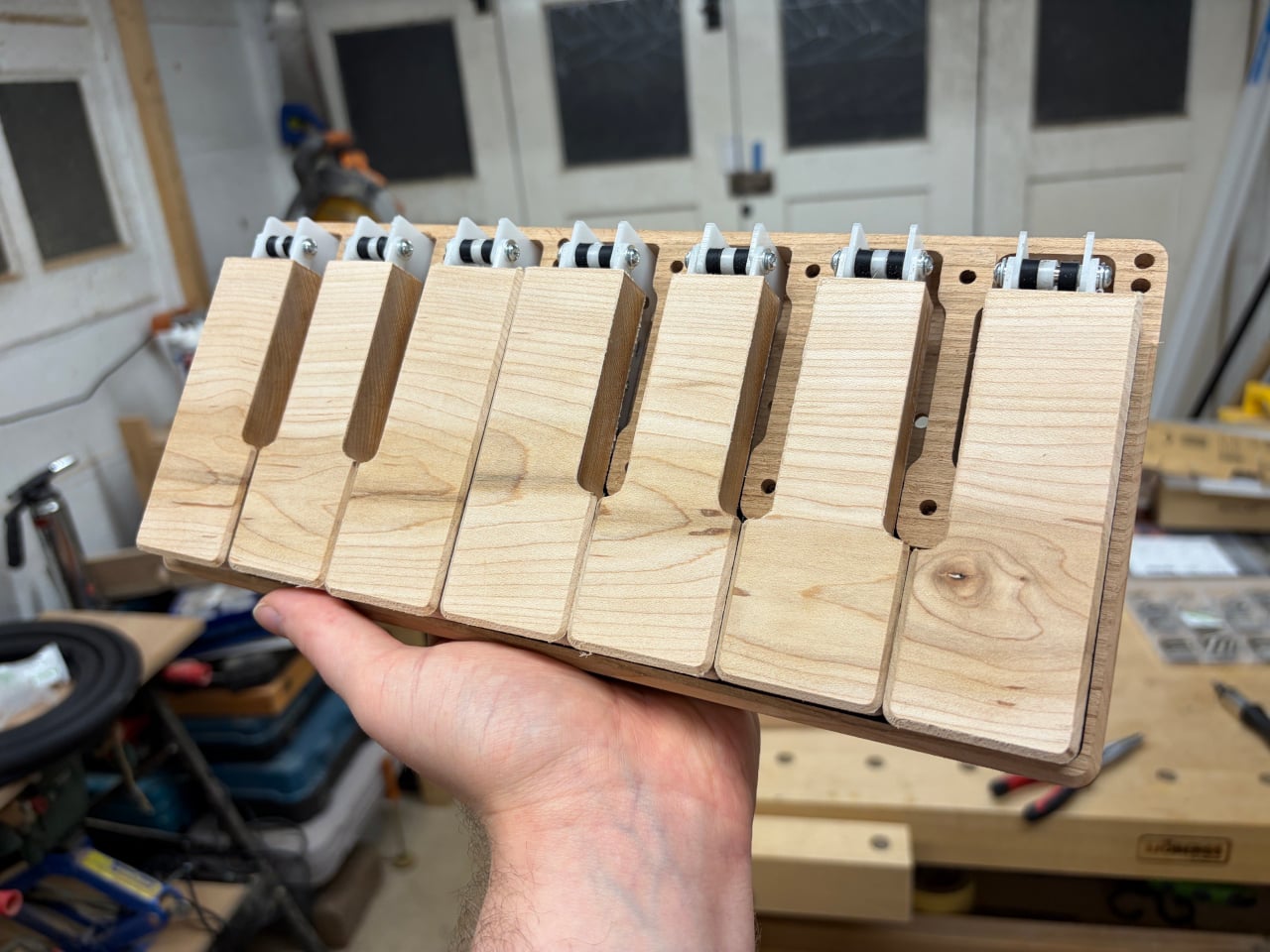
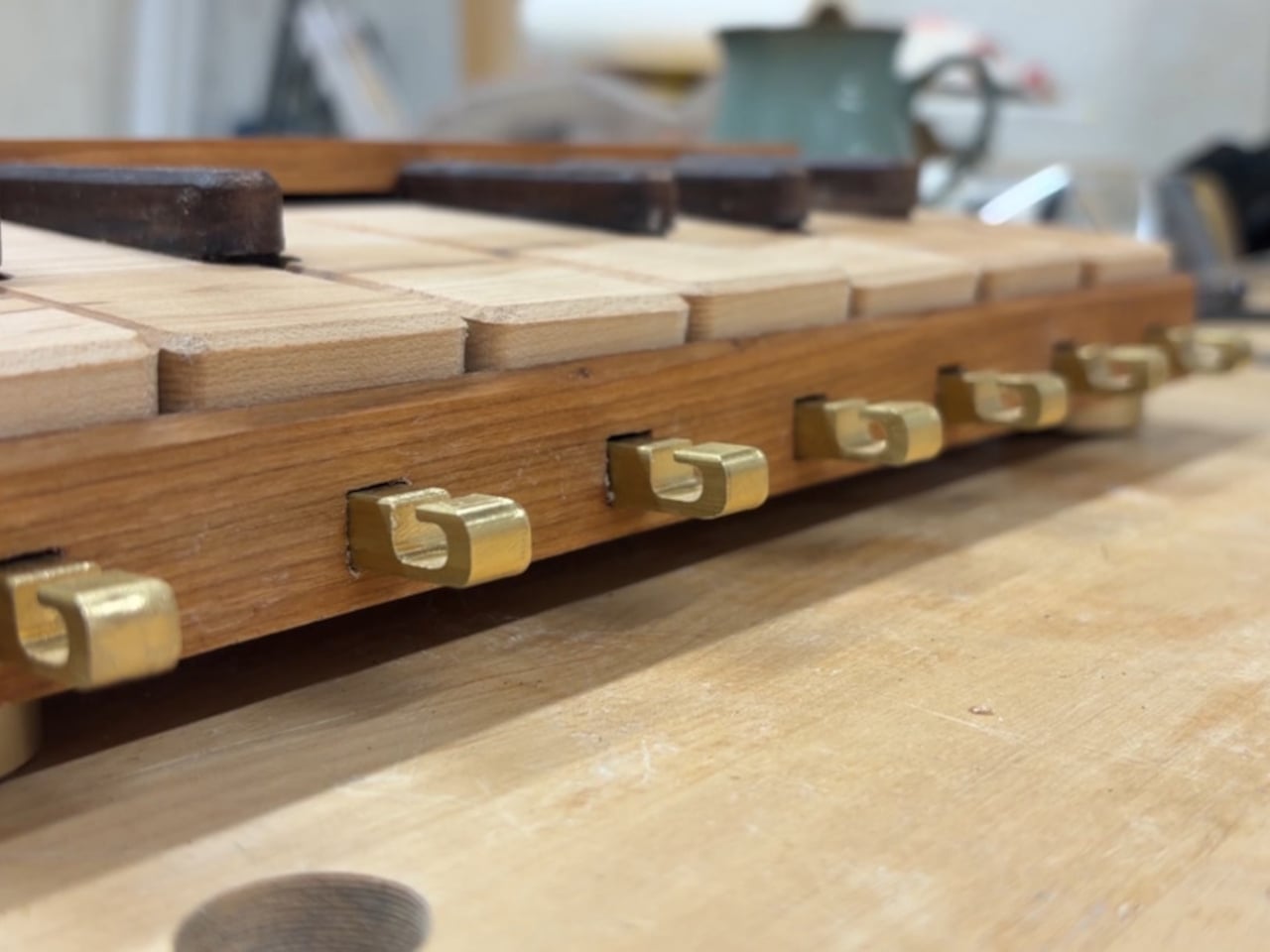
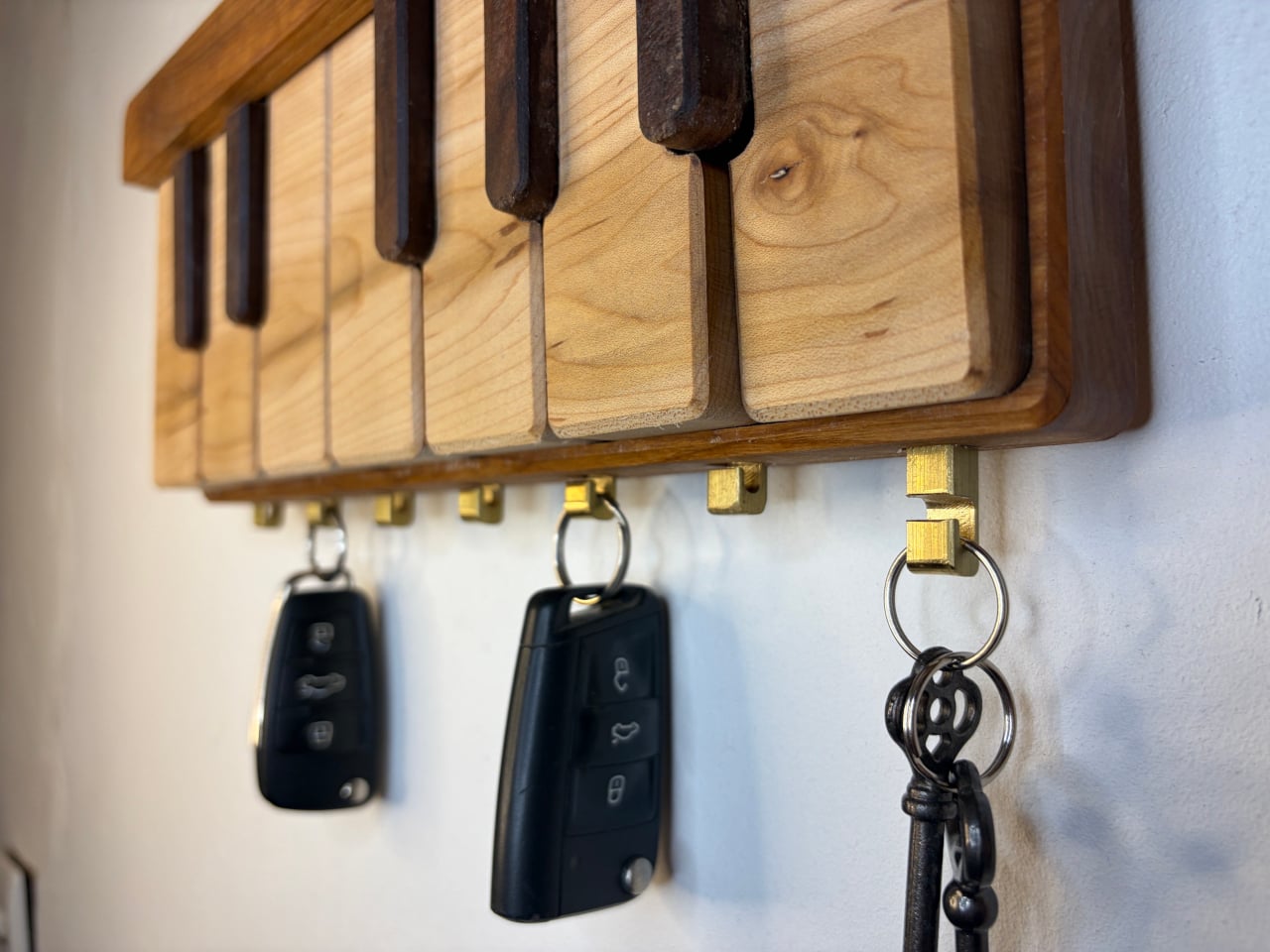
    This wooden piano key holder turns that mundane act into something that rewards the hand that does it. Built primarily from solid wood and mounted on the wall, it looks like a short section of a piano keyboard, down to the contrast between pale white keys and raised dark notes. Each white key hides a brass hook inside, and pressing one causes that hook to click out from the bottom.

    Designer: Inventive Robin

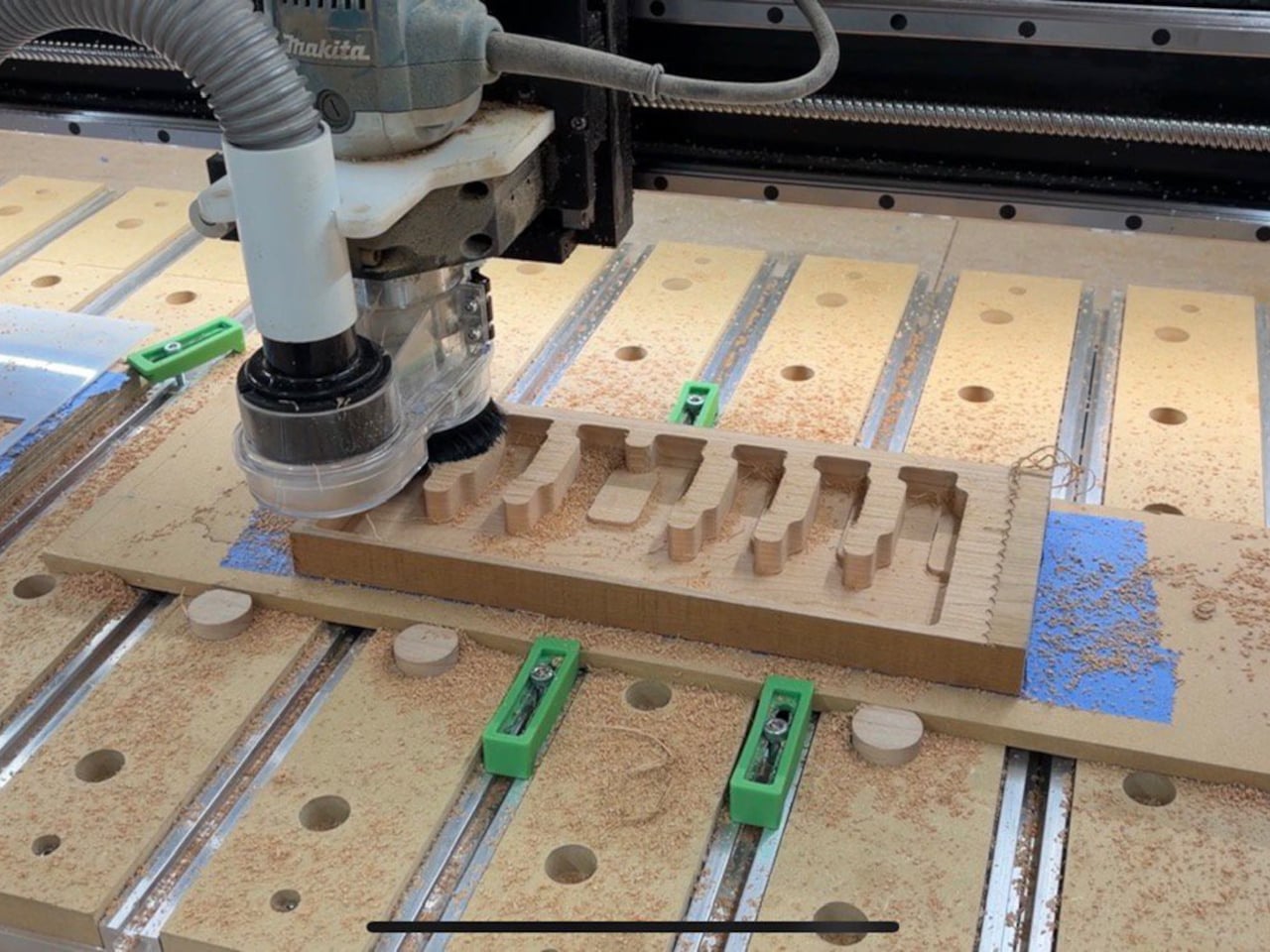
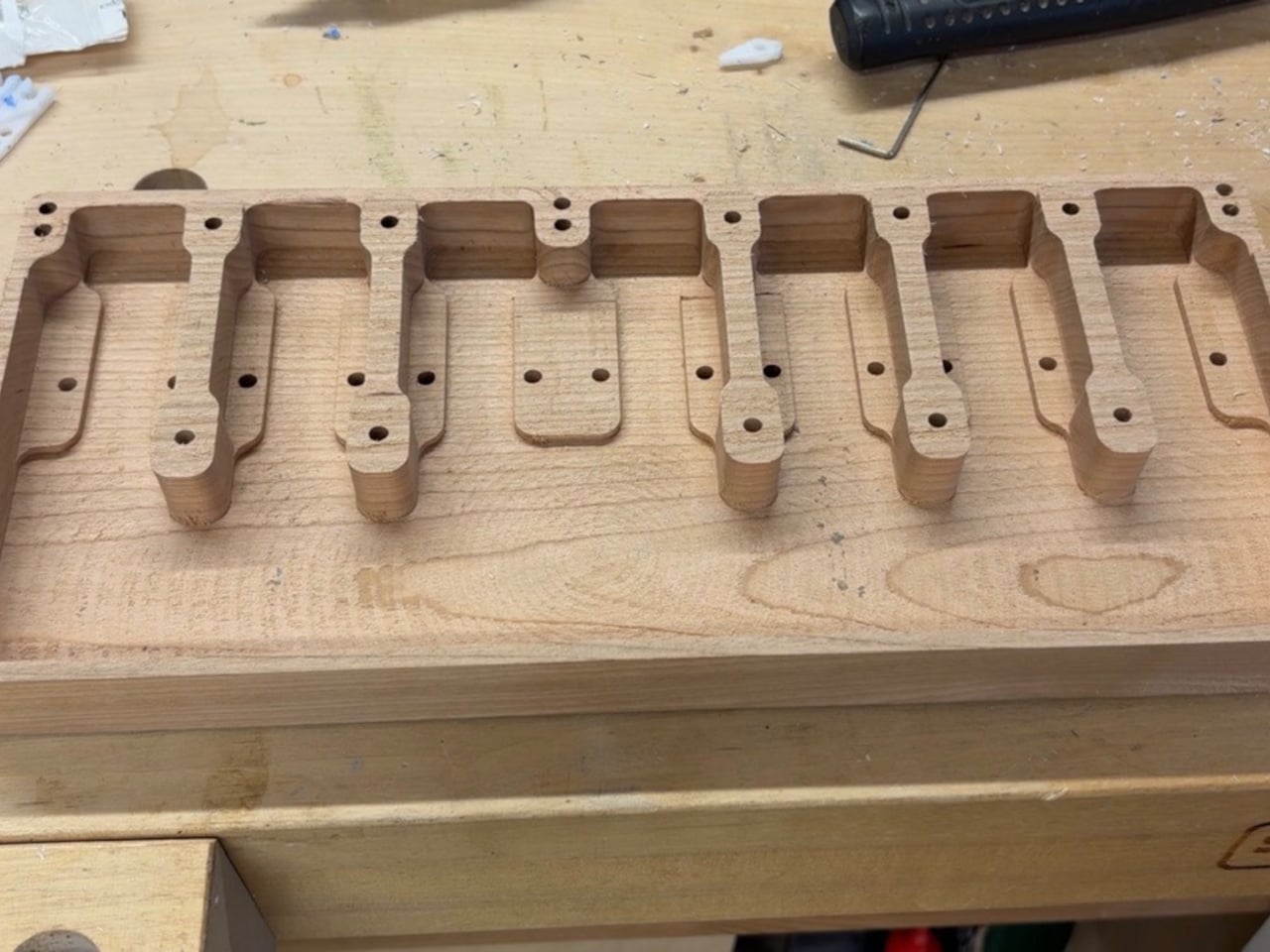
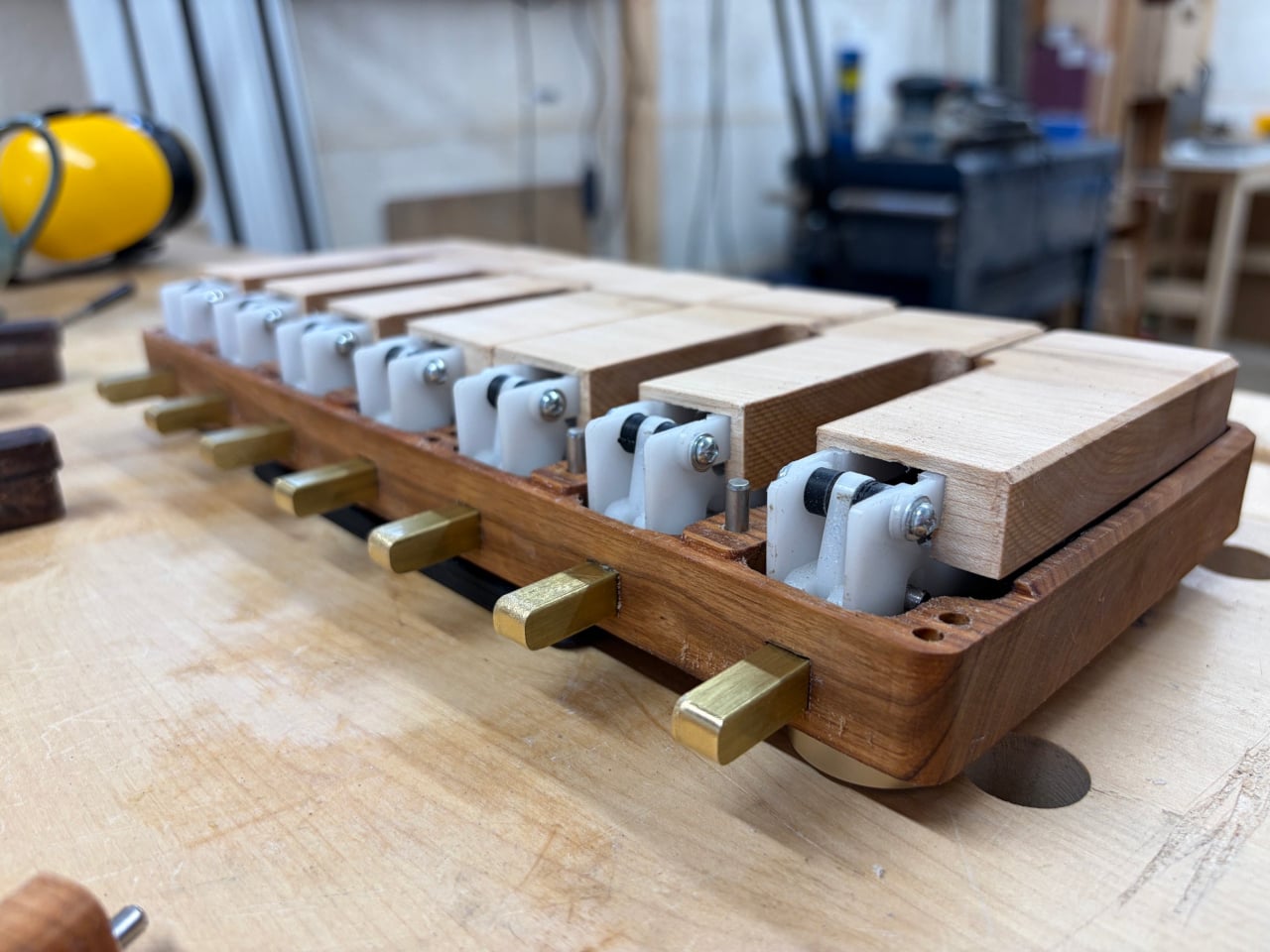
    The mechanism inside is the centerpiece. Each latching unit is machined from sheet acetal and assembled with metal dowels and standoffs, translating the vertical press of a piano key into the outward extension of a brass hook. Press the same key again, and the hook retracts with another click. That tactile feedback is what separates this from any peg or rail that simply sits on the wall, doing nothing memorable.

    Three materials carry the weight of the aesthetic. The base and outer frame are cherry, machined on a CNC router to house the acetal mechanisms inside. The white keys are individually shaped pieces of maple, and between them sit the raised black notes in a contrasting darker wood. The hooks are small, architectural brass clips, machined separately and fitted to the mechanism that drives them up and down.

    The piano keyboard format is a natural fit for a key holder, and not just because of the pun. A row of regularly spaced, independently pressable keys maps almost perfectly onto a row of hooks, and the visual language of a piano is familiar enough that anyone walking past it understands what those keys do, even without being told there’s a mechanism hiding underneath.

    What makes it work as wall decor is how cleanly the materials read together. The warm cherry frame, the pale maple keys, and the dark raised notes create a contrast that fits comfortably in a living room entryway without demanding too much attention. The brass hooks, small and architectural in their proportions, don’t look like hardware until you know what to press.

    Key holders have always had a quiet design problem. They ask you to form a new habit, redirecting an automatic reach toward something deliberately placed on a wall, and there’s usually nothing to make that effort feel worthwhile. Giving the hook a mechanical click is a small but effective way to make the ritual feel intentional, which is the kind of encouragement that actually makes the habit stick.

    The post The Piano Key Holder Where Every Press Clicks Out a Hidden Brass Hook first appeared on Yanko Design.

  • Yanko Design yankodesign.com design product-design yanko-design 2026-06-18 11:40
    ↗

    The 5 Best Camping Gear of June 2026Packing for a camping trip is really just a series of small arguments with yourself about what’s worth the weight. June 2026 has produced a...

    Packing for a camping trip is really just a series of small arguments with yourself about what’s worth the weight. June 2026 has produced a strong batch of designs that tend to win those arguments. Across five very different product categories, the same principle quietly surfaces: the best outdoor gear doesn’t add complexity to your trip. It takes it away.

    From a hammock tent that rethinks how you sleep off the ground, to a radio that earns its keep long before conditions turn difficult, the designs ahead share something most camping gear doesn’t: a point of view. Each one started from a genuine problem and arrived at something you’d actually want to carry. These are the five that stood out this month.

    1. RetroWave 7-in-1 Radio

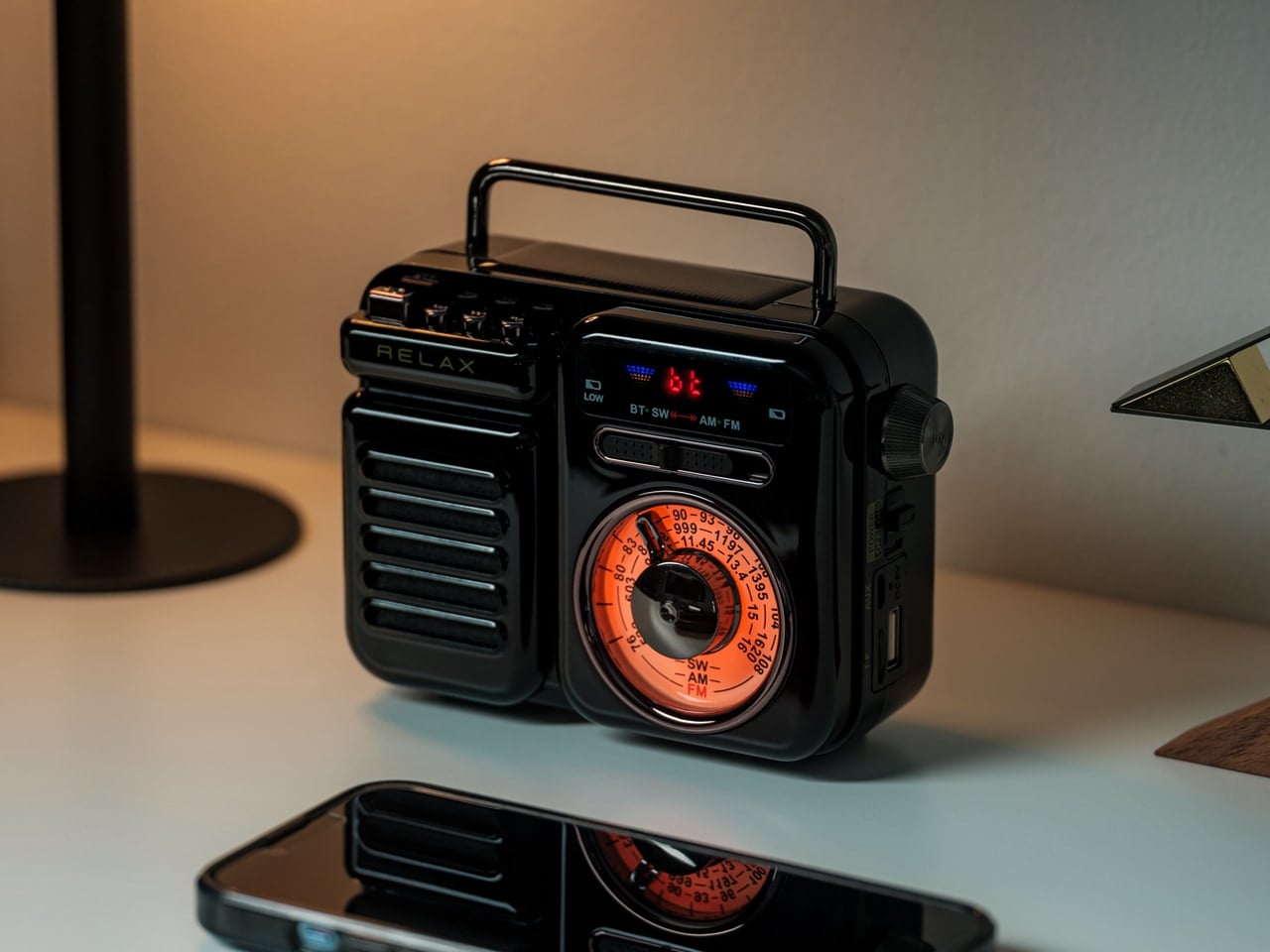
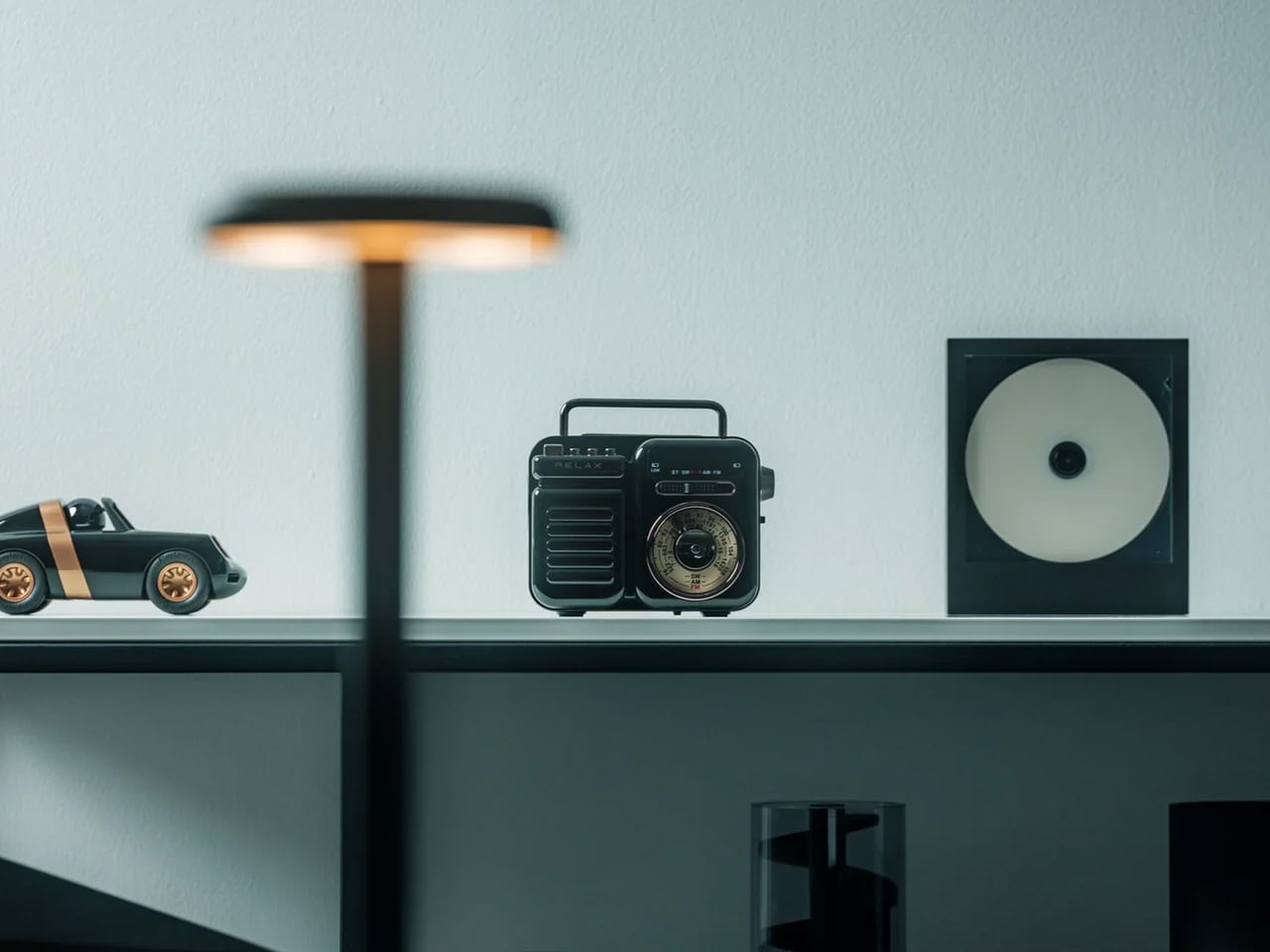
    The RetroWave looks like a deliberate throwback to classic Japanese radio design — a tactile tuning dial, compact body, warm aesthetics that earn a shelf rather than beg for a drawer. But the retro form is doing something more purposeful than nostalgia: it frames a genuinely self-sufficient piece of kit that works when conditions aren’t perfect and removes the decision fatigue of choosing every piece of music you play. AM, FM, and shortwave for signal without an app. Bluetooth streaming when connectivity holds. A hand-crank and supplemental solar panel for when it doesn’t. SOS alarm and built-in flashlight, quietly tucked in.

    What the RetroWave actually solves is the fragility of modern audio. Smart speakers go silent when the Wi-Fi drops. Earbuds die at the wrong moment. Phones drain precisely when you need them most. The RetroWave doesn’t ping you with reminders or demand perfect conditions. It simply plays, charges, and illuminates across seven functions. For campers who want fewer devices in the pack and more reliability in the field, it does the work of four separate items without asking for four separate charging cables. That’s a trade worth making before any trip where things might not go smoothly.

    Click Here to Buy Now: $89.00

    What We Like

    • Seven functions in a single body significantly reduce the number of individual items you need to carry and manage
    • Solar and hand-crank charging keep it functional entirely off-grid with no outlets and no power bank required

    What We Dislike

    • The retro aesthetic, appealing as it is, may read as decorative novelty to buyers who haven’t yet used it in an actual off-grid context
    • Shortwave reception quality can vary noticeably depending on geographic location and surrounding terrain

    2. Haven Spectre Ultralight Hammock Tent

    The Haven Spectre solves the problem every experienced hammock camper knows but rarely admits out loud: traditional hammocks fold your body into a shape that doesn’t encourage real sleep. The Spectre counters this with a flat-lay design that keeps your spine aligned and your night predictable. For backpackers who have tried and quietly abandoned hammock camping after a single rough night, this is the iteration worth revisiting. It’s featherlight without feeling compromised, built from years of field-tested feedback, and light enough to disappear into a pack you’re already carrying.

    What separates the Spectre from its predecessors isn’t just weight reduction — it’s the thinking behind how a person actually sleeps in the field. The integrated structure holds its form without demanding constant re-adjustment mid-night. You string it up, get in, and it works. For long-distance hikers and weekend backpackers alike, that reliability reduces the cognitive load of a night outdoors. Less time fussing with rigging means more energy for the trail ahead, which is exactly the kind of trade-off a well-designed piece of kit should make for you.

    What We Like

    • Flat-lay sleeping position solves the banana-curve problem that makes traditional hammocks genuinely uncomfortable for full nights
    • Years of customer-driven refinement make this Haven’s most advanced and polished iteration to date

    What We Dislike

    • Requires trees at the right spacing and height, which limits viable campsite choices in open terrain
    • Premium price point puts it out of reach for casual or occasional campers who might only use it a handful of times a year

    3. Blavor Power Station + Camping Lantern

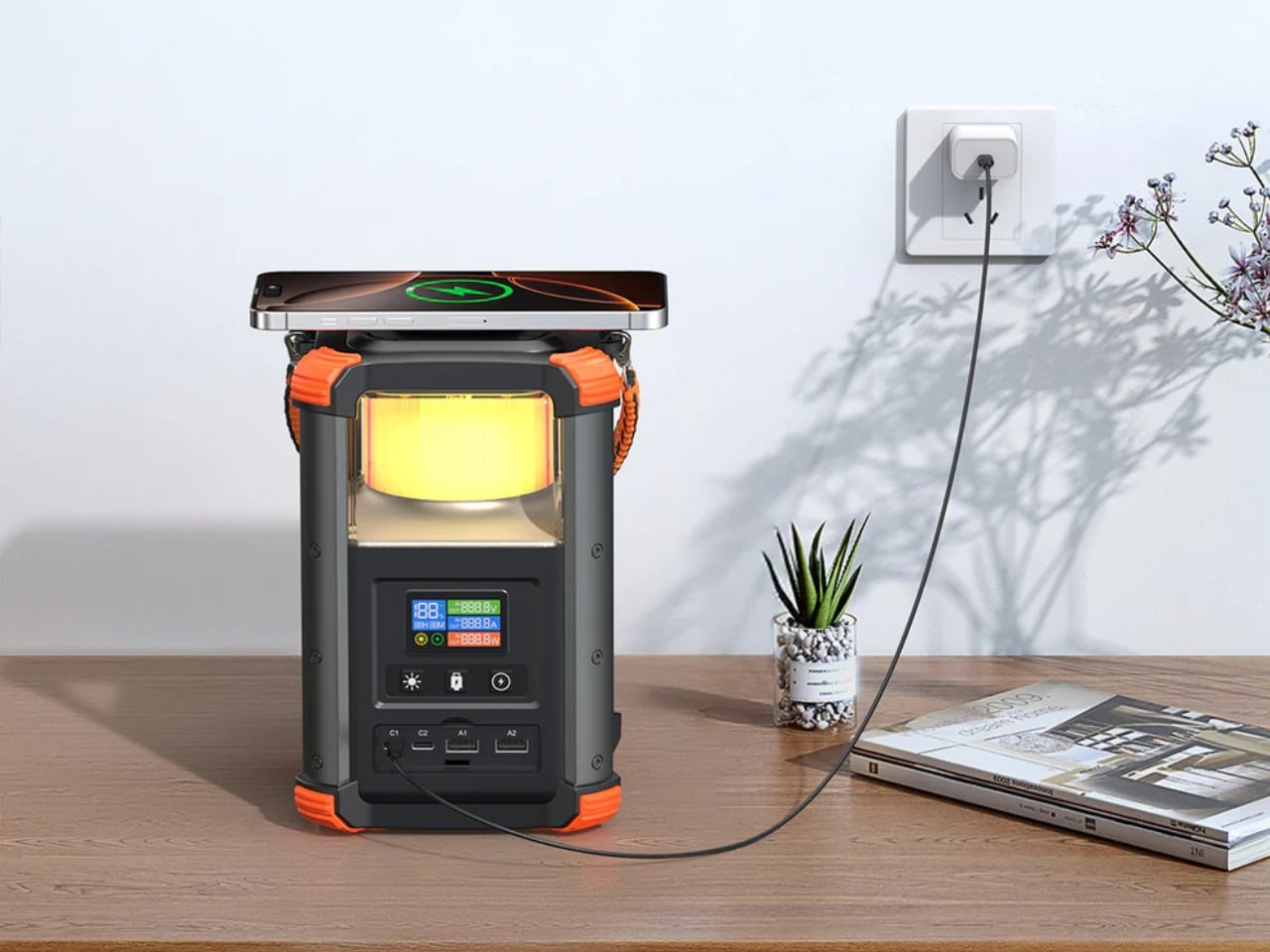
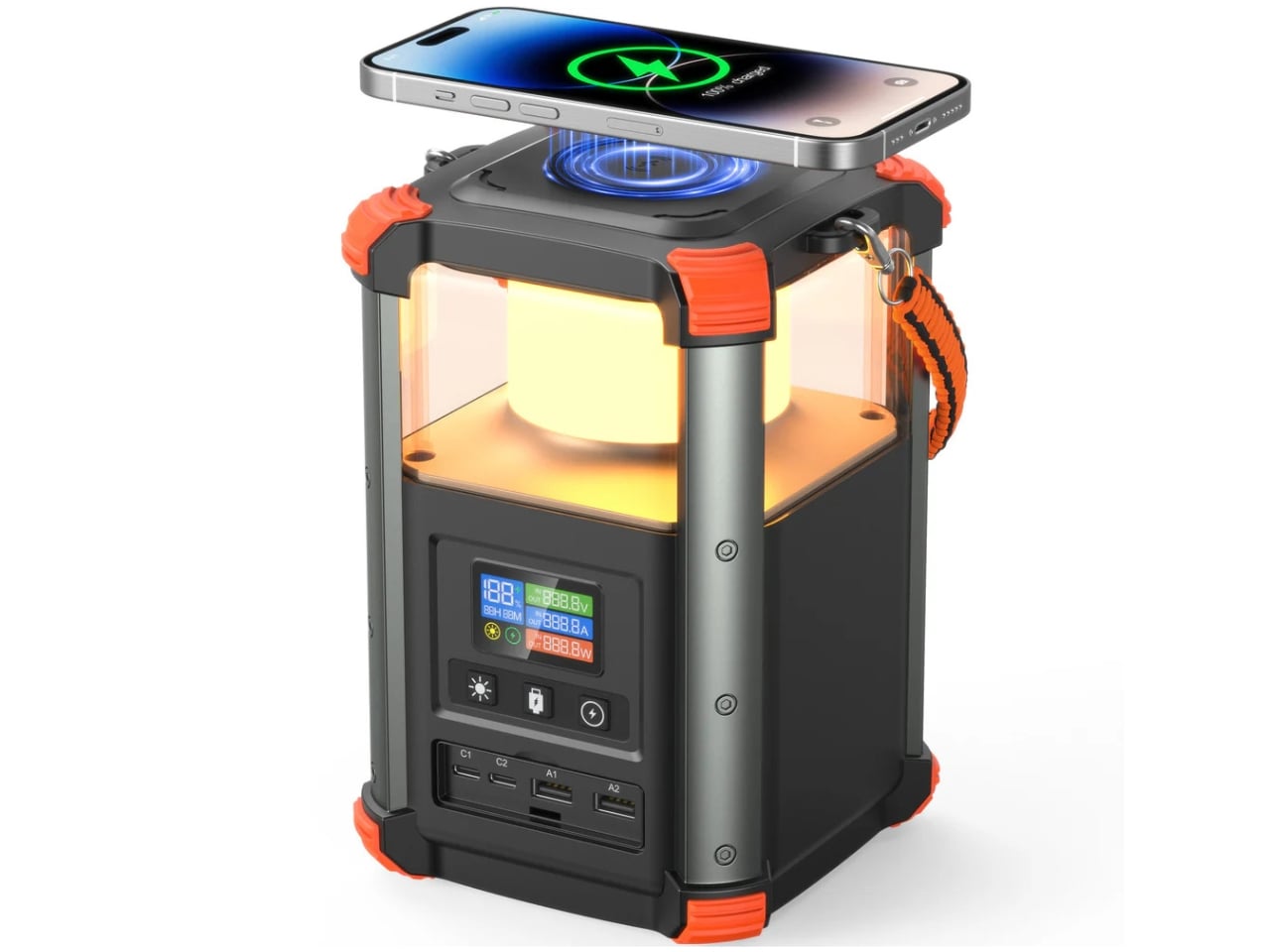
    Most portable power stations look like they were designed by someone who has never spent a night outdoors. The Blavor sidesteps that problem entirely by building a camping lantern into the form factor from the start. The result is a device barely bigger than a tall water bottle that functions as both a light source and a five-pathway charging hub, covering solar, AC, car adapter, USB-C, and micro USB — with a digital display that keeps you updated on battery status without any guesswork. It’s the kind of consolidation that makes you rethink everything else in your kit.

    The real value here is how naturally the two functions coexist. When the lantern is on, the power bank is right there. When you’re charging your phone overnight, the ambient glow does quiet work inside the tent without needing a separate light source. It doesn’t ask you to choose between illuminating your site and keeping your devices alive — it simply does both. For campers who’ve always carried a separate lantern and a separate battery pack, the consolidation alone is worth the price. This earns its spot in the pack before the first trip is even planned.

    What We Like

    • Five charging pathways give it a flexibility that most single-use power banks simply can’t match across different environments
    • Lantern and power station coexist without compromising each other — the dual function feels designed in, not bolted on

    What We Dislike

    • Battery capacity, while solid for a weekend, may leave multi-day off-grid users reaching for supplemental charging sooner than expected
    • The cylindrical form factor, while compact, can be slightly awkward to pack flush alongside flat gear in a structured bag

    4. Chopsticks Maker

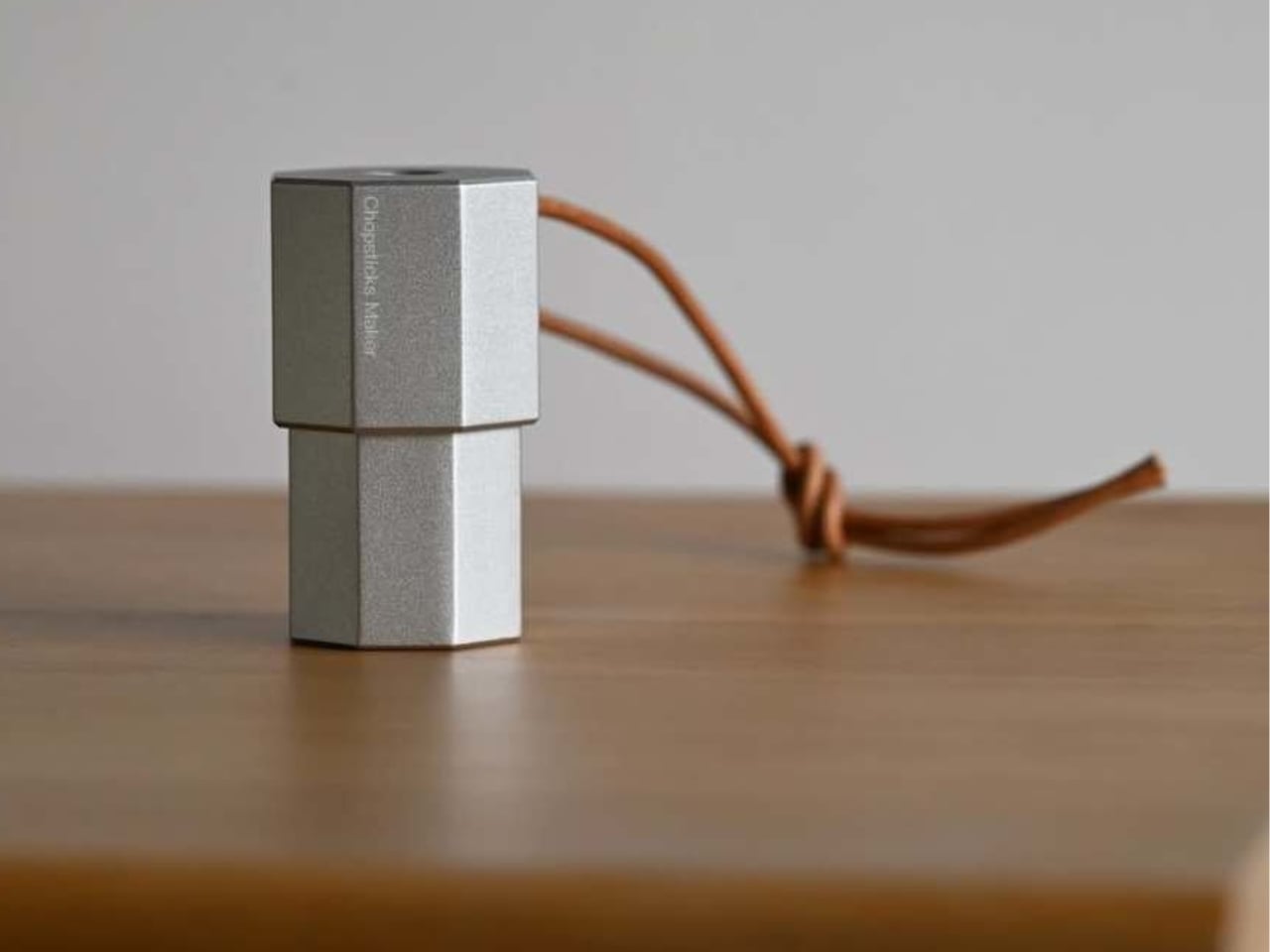
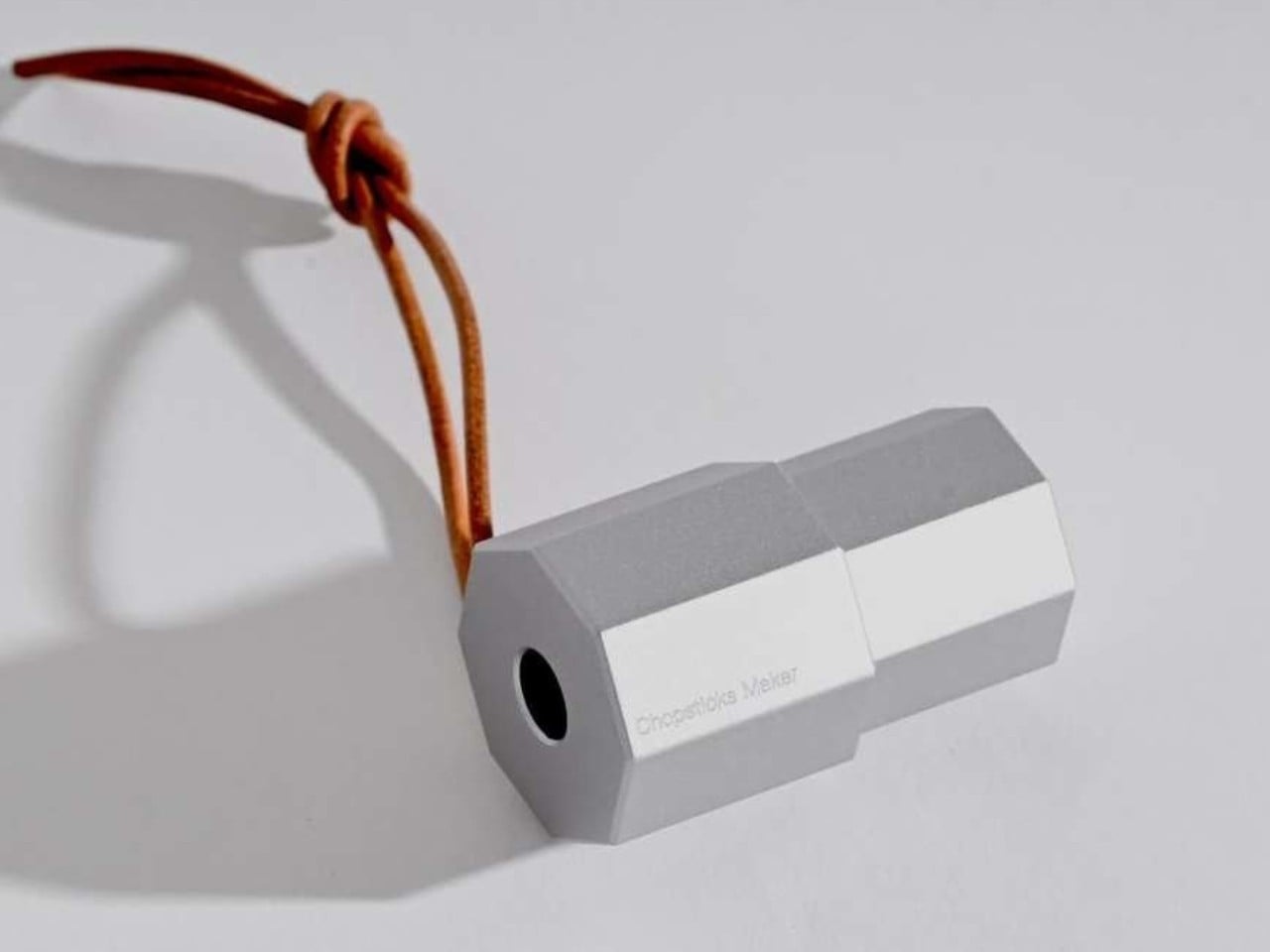
    The Chopsticks Maker by Shanghai-based designer Mario Tsai is a direct reinterpretation of the pencil sharpener — same rotational mechanics, different raw material. Feed a thin foraged branch through the tool, and it carves a clean, usable chopstick in seconds. It’s a clever design move because it borrows its logic from an object whose function is already completely understood. The result is an outdoor tool with zero learning curve, an intuitive interaction, and a form compact enough to disappear into any kit without taking up meaningful space or weight.

    Beyond cutlery, the same shaving mechanics produce fine wood shavings suitable for fire-starting, which quietly expands the tool’s usefulness without a single redesign. For campers who prioritize carrying less and sourcing more from the environment around them, the Chopsticks Maker represents a genuine shift in how outdoor utensils are framed as a category. It’s not about carrying better tools — it’s about carrying a tool that makes what you need from what’s already there. That’s a different design ambition entirely, and one that makes this concept one of the most interesting camping objects to emerge this year.

    What We Like

    • Dual function as both a cutlery maker and a fire-starting aid significantly increases utility beyond its primary purpose
    • The foraged-material approach removes the need to carry disposable utensils or heavier stainless alternatives altogether

    What We Dislike

    • Relies on finding suitable wood nearby, which is not guaranteed across all camping environments or terrain types
    • Currently a design concept, meaning production details, materials, and final pricing remain unconfirmed at time of publishing

    5. TriBeam Camplight

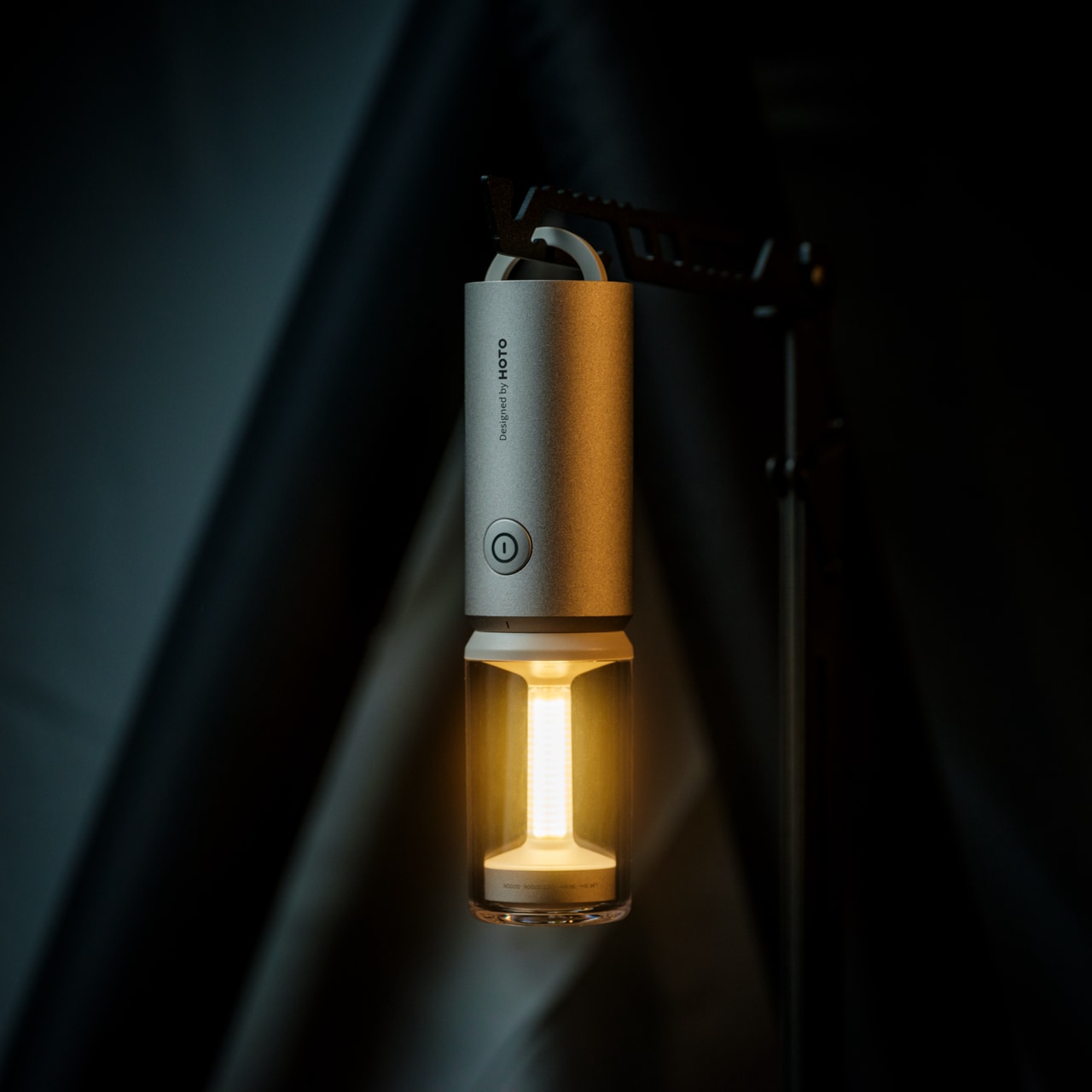
    The TriBeam Camplight fits in a jacket pocket without negotiation — 12.8 centimeters, 135 grams, three distinct lighting modes. The ambient setting runs at 5 lumens, enough to navigate a darkened tent or campsite without destroying your night vision. The diffused camping mode spreads light evenly across shared spaces. The focused flashlight pushes 180 lumens for anything that demands real visibility. What makes it compelling isn’t any single mode in isolation, but the fact that all three feel genuinely purposeful rather than checkbox features added to pad a spec sheet.

    A 50-hour battery life is the detail that tips this into essential territory. For most camping trips, a single charge carries you through the full weekend with meaningful margin to spare. The detachable magnetic lampshade shifts the light quality without adding friction — snap it on, snap it off. The hidden handle tucks away cleanly until you need to hang it from a ridgeline, a tent loop, or a bag strap. The TriBeam is the kind of gear that earns a permanent place in the kit long after the trip it was first bought for.

    Click Here to Buy Now: $65.00

    What We Like

    • 50-hour battery life is generous enough for multi-night trips without requiring a recharge in the field
    • Three genuinely distinct modes that adapt to different environments without overlap or redundancy

    What We Dislike

    • 180-lumen maximum output is well-suited to camp-scale use but falls short for longer-distance signaling or search scenarios
    • The magnetic lampshade, while elegant, could detach unintentionally inside a packed bag during transit

    The Best Camping Gear Thinks Before It Packs

    What these five designs share isn’t a price point or a product category — it’s the sense that someone thought carefully about what a camper actually needs, rather than what the outdoor market has assumed they want. The Haven Spectre rethinks sleep. The TriBeam and Blavor rethink lighting and power. The RetroWave rethinks connectivity. The Chopsticks Maker rethinks what you need to bring at all. Each one narrows the gap between what’s in the pack and what actually gets used on the ground.

    June 2026 didn’t produce the loudest season of outdoor gear. It produced one of the more considered ones. The standout designs this month are quieter than their competitors and more purposeful for it. If the trend holds, the next generation of camping gear will continue moving in this direction — fewer features performed well rather than many features performed adequately. For anyone who has ever come home from a trip with half their kit untouched, that’s a welcome shift in the right direction.

    The post The 5 Best Camping Gear of June 2026 first appeared on Yanko Design.

  • Yanko Design yankodesign.com design product-design yanko-design 2026-06-18 10:07
    ↗

    Austria’s Clay Cooler Is the AC Killer Nobody Saw ComingEvery summer, the conversation around air conditioning goes roughly the same way. It’s hot, we turn on the AC, the electricity bill spikes, and we...

    Every summer, the conversation around air conditioning goes roughly the same way. It’s hot, we turn on the AC, the electricity bill spikes, and we quietly wonder if there’s a better way while doing absolutely nothing about it. A design student from Austria named Katja Posch decided to actually do something about it. The result is MALU, a compact, low-tech cooling system built from terracotta and wood that is currently turning heads in the sustainable design world.

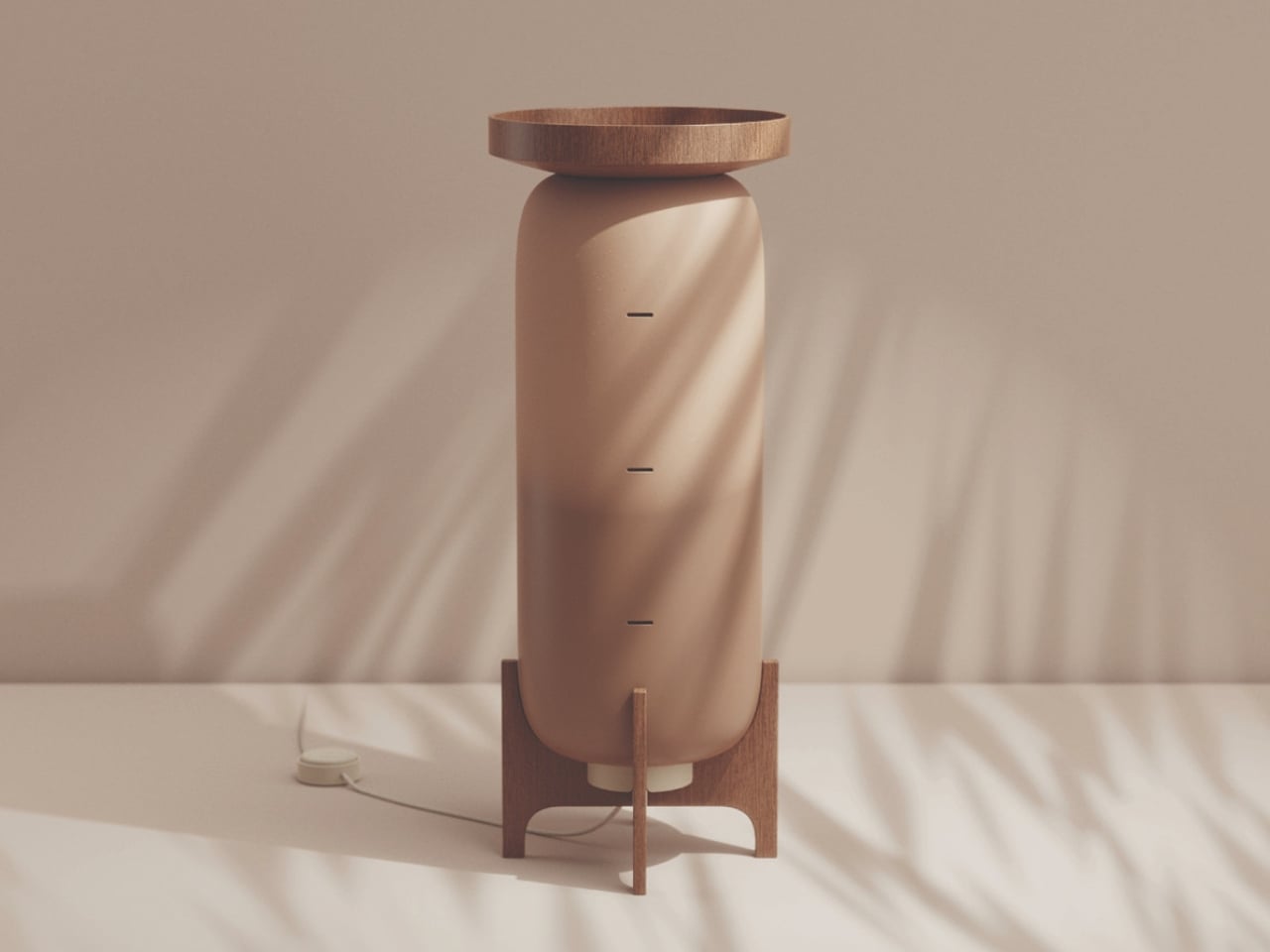
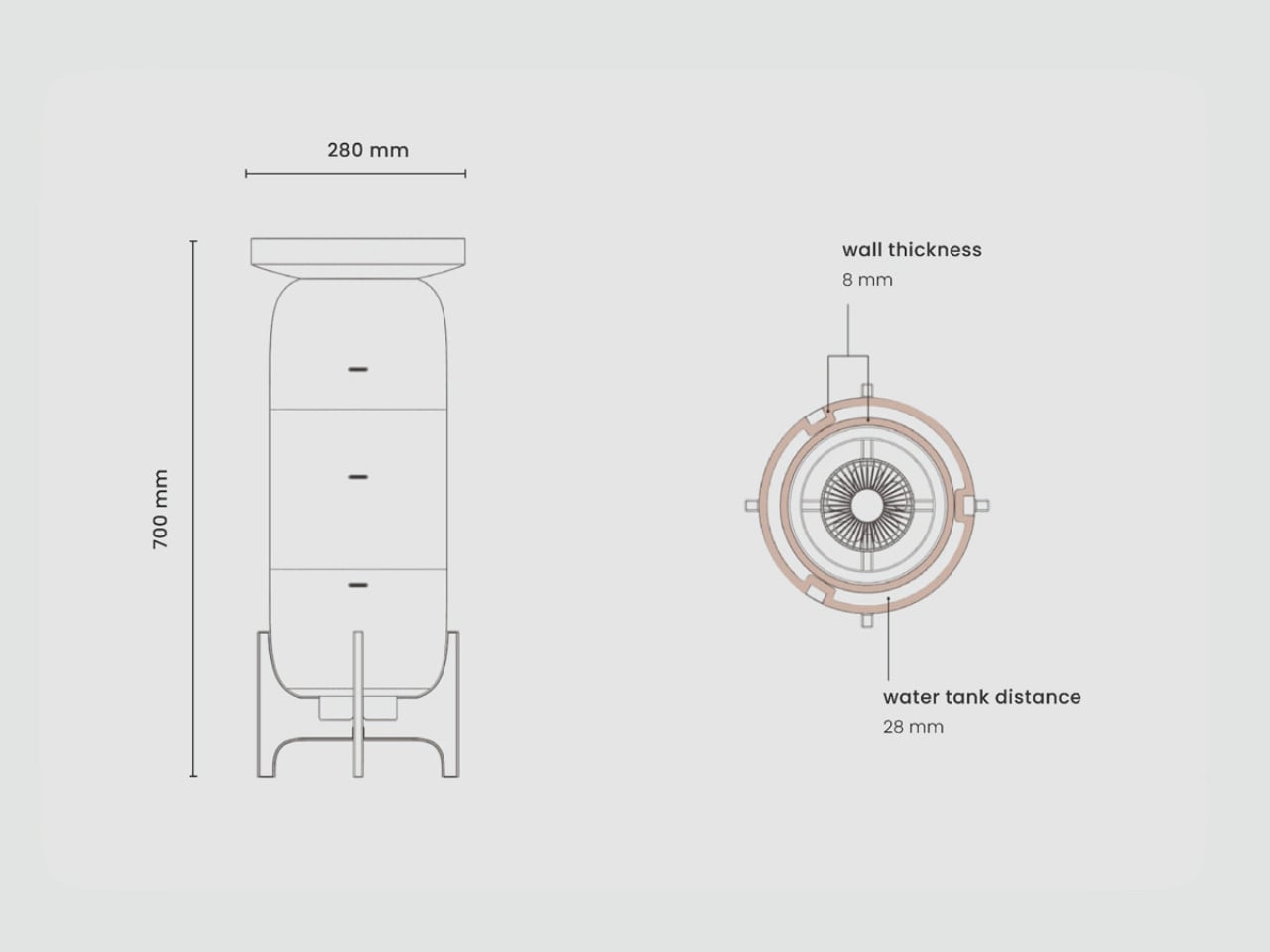
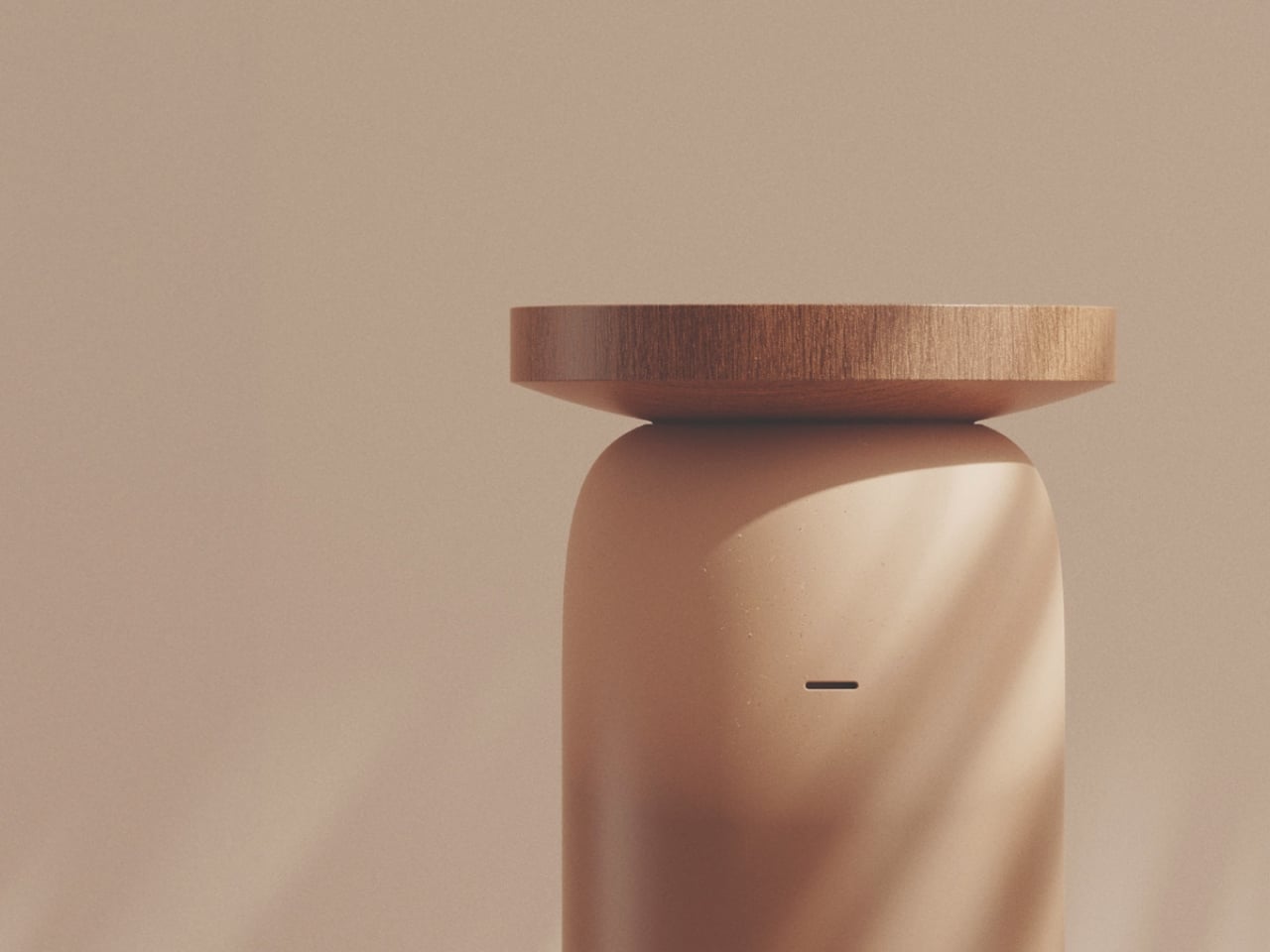
    MALU is not trying to be a gadget. That is the first thing that struck me about it. Standing 700mm tall and 280mm wide, it looks far more like a considered piece of furniture than a household appliance. The form is a smooth, rounded terracotta cylinder in a warm sandy tone, topped with a wide circular wooden tray and elevated on a four-legged wooden cradle. It would look at home beside a sofa, and that is very much the point. The design is deliberately simple, rooted in the ancient science of evaporative cooling, the same principle that makes a wet cloth on your forehead feel so immediately refreshing.

    Designer: Katja Posch

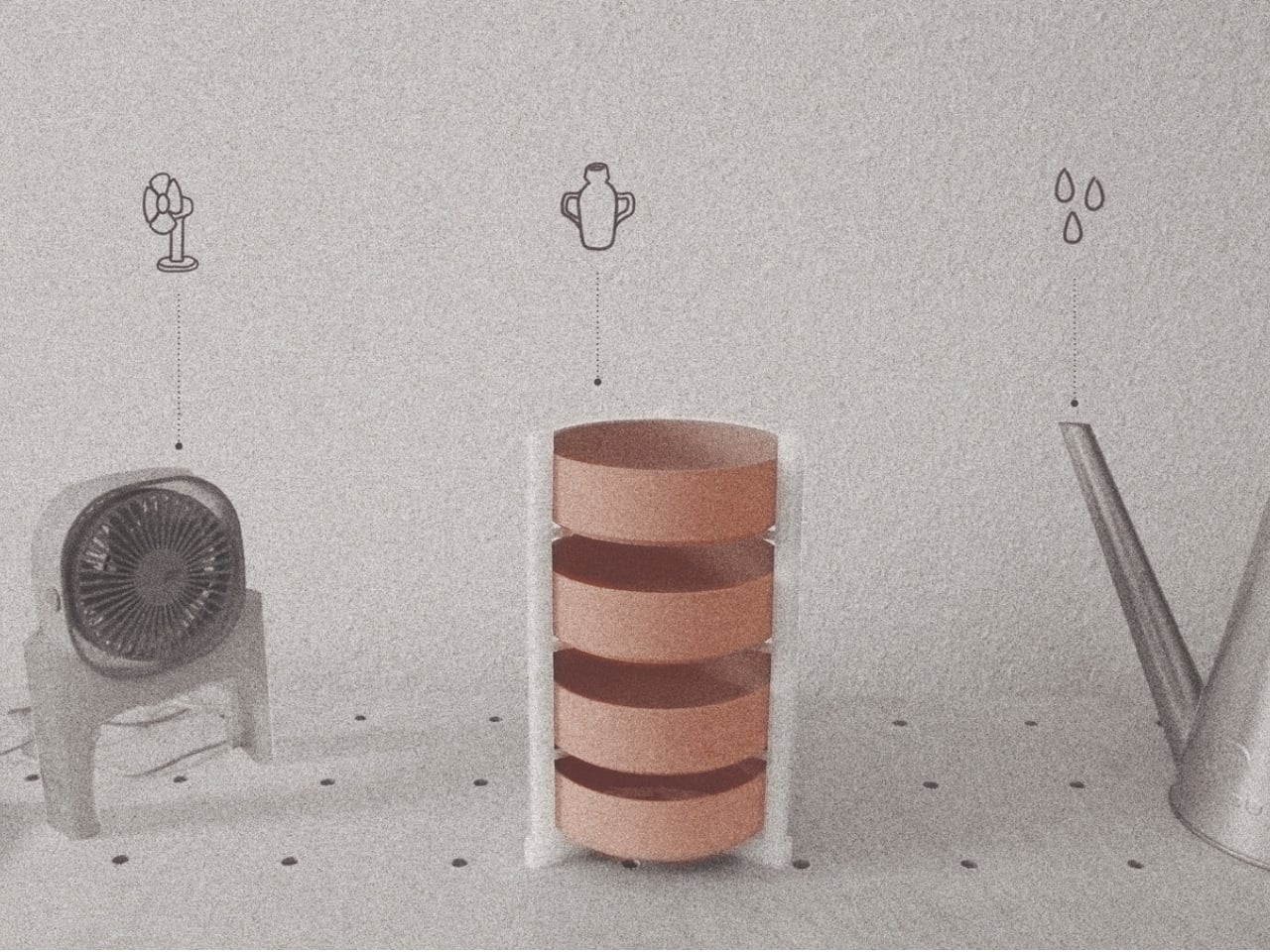
    The mechanics are elegant in their restraint. Water is poured into the wooden tray at the top, which feeds slowly down through the porous terracotta body below. With walls just 8mm thick, the terracotta absorbs moisture readily and releases it through evaporation, drawing heat from the surrounding air in the process. Three narrow horizontal vents run along the body, allowing cooled air to escape into the room. At the base, nestled within the wooden stand, sits a small electric fan that draws air upward through the core of the cylinder and out through those vents. The gap between the fan and the terracotta wall is a precisely considered 28mm, enough to let air move through efficiently without overwhelming the passive cooling effect. The fan, however, is entirely optional. A small round controller sits on the floor at the end of a cord, but if you choose not to use it, MALU still works. It simply breathes on its own.

    Posch completed MALU as her master’s thesis in Eco-Innovative Design at FH Joanneum in Graz. What she produced is a system that reframes the entire premise of modern cooling. Rather than asking how we make air conditioners more efficient, she asked whether we were solving the problem correctly in the first place. Historically, cultures across North Africa, the Middle East, and South Asia had already developed brilliant answers to that question, using clay, wind, and water to create comfortable spaces long before a single refrigerant was ever synthesized. MALU picks up that thread.

    The irony of conventional air conditioning is by now well-documented. It cools your room while heating the planet, running on electricity that often comes from fossil fuels and using refrigerants with a warming potential thousands of times more potent than carbon dioxide. The more temperatures rise, the more we rely on AC; the more we rely on AC, the more temperatures rise. MALU does not claim to be a plug-and-play replacement for industrial HVAC systems, but it offers something the industry has largely forgotten: a way of thinking about comfort that does not come at the environment’s expense.

    The material choices feel intentional beyond aesthetics. The terracotta body and wooden stand can be separated, repaired, and recycled independently. So much of our technology is designed around obsolescence. Cooling systems break down, become incompatible with updated refrigerant standards, or simply get swapped out for the next model. MALU is the opposite of that impulse. It is the kind of object you could understand, maintain, and eventually pass along.

    MALU was recognized as a finalist for the Green Product Award 2026 and received a Special Prize for Design Concept at the Staatspreis Design 2026, Austria’s national design award. It is the kind of recognition that suggests the design community is genuinely warming to ideas that favor restraint over complexity, and that feels like a cultural shift worth paying attention to.

    For those of us who have spent summers stacking fans in front of open windows and calling it a strategy, MALU is a genuinely exciting proposal. It will not cool a packed open-plan office on a 40-degree day, and it is not trying to. But as a rethinking of what personal cooling can look like in a hotter, resource-constrained world, it is one of the more compelling designs to come across my radar this year.

    The post Austria’s Clay Cooler Is the AC Killer Nobody Saw Coming first appeared on Yanko Design.

  • Yanko Design yankodesign.com design product-design yanko-design 2026-06-18 08:45
    ↗

    Noble’s $199 Osprey Earbuds Aim Straight at Sony’s XM6The $200 true wireless earbud market is crowded, but the brands filling it are mostly consumer electronics companies that tune for mass appeal rather than...

    The $200 true wireless earbud market is crowded, but the brands filling it are mostly consumer electronics companies that tune for mass appeal rather than accuracy. Getting earbuds with any real audiophile pedigree under that threshold has historically meant compromising somewhere meaningful, whether on driver quality, build, or sound character. Most listeners have made their peace with that trade-off and gone with whatever Sony or Sennheiser had on the shelf.

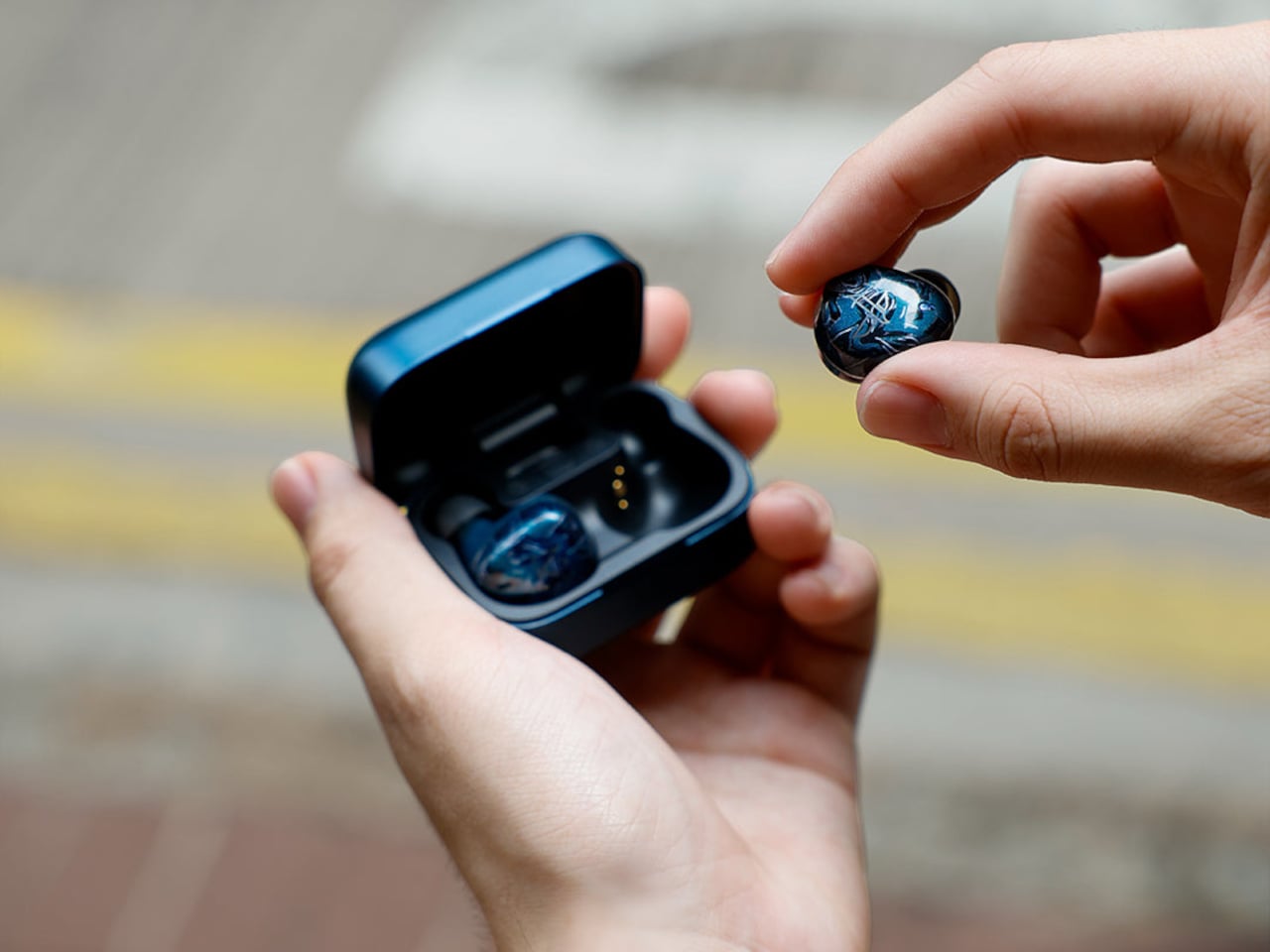
    The Noble Audio Osprey debuted at High End Vienna 2026 and starts shipping at the end of June at $199. Noble has spent years building custom in-ear monitors that sell for four figures to listeners who argue about driver counts and cable geometry. Compressing that into a sub-$200 true wireless product is a considerable stretch, and the Osprey’s choices reflect what had to be preserved and what didn’t.

    Designer: Noble Audio

    The Osprey uses a hybrid dual-driver configuration, pairing a 10mm dynamic driver with a custom balanced armature. The dynamic driver handles low-end weight and warmth, delivering bass that’s smooth and thick rather than just punchy, while the balanced armature supports midrange detail and treble precision. The frequency response spans 20Hz to 40kHz, wider than most consumer earbuds at this price point.

    That driver combination pays off most noticeably in the soundstage, which reviewers describe as genuinely expansive, with strong depth and layering that becomes especially clear in music with complex percussion. The signature leans slightly V-shaped, with the low end its most impressive range. Mids are full and anchoring rather than recessed, and highs are crisp and extended without tipping into harshness, a balance that works across most genres.

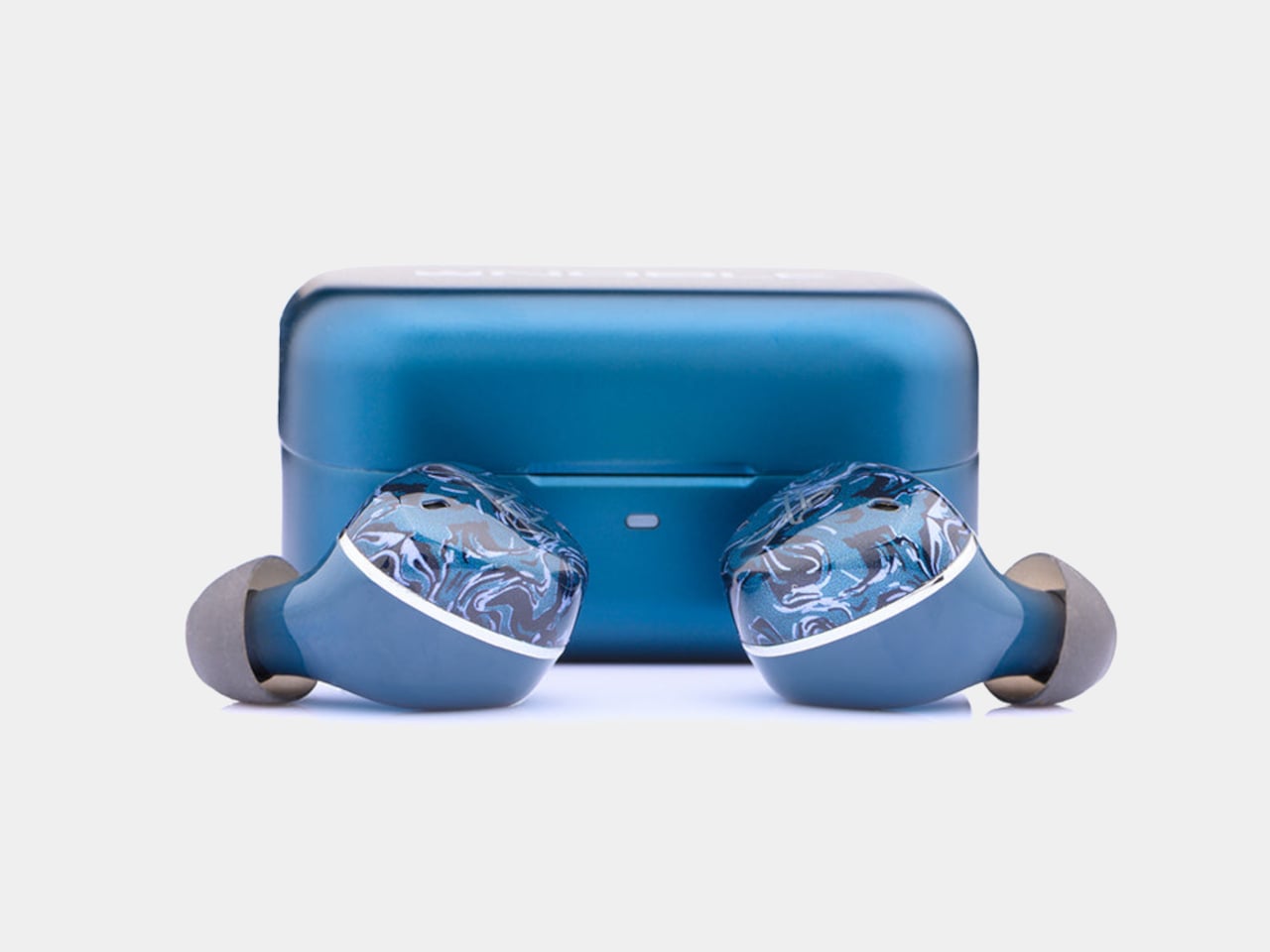
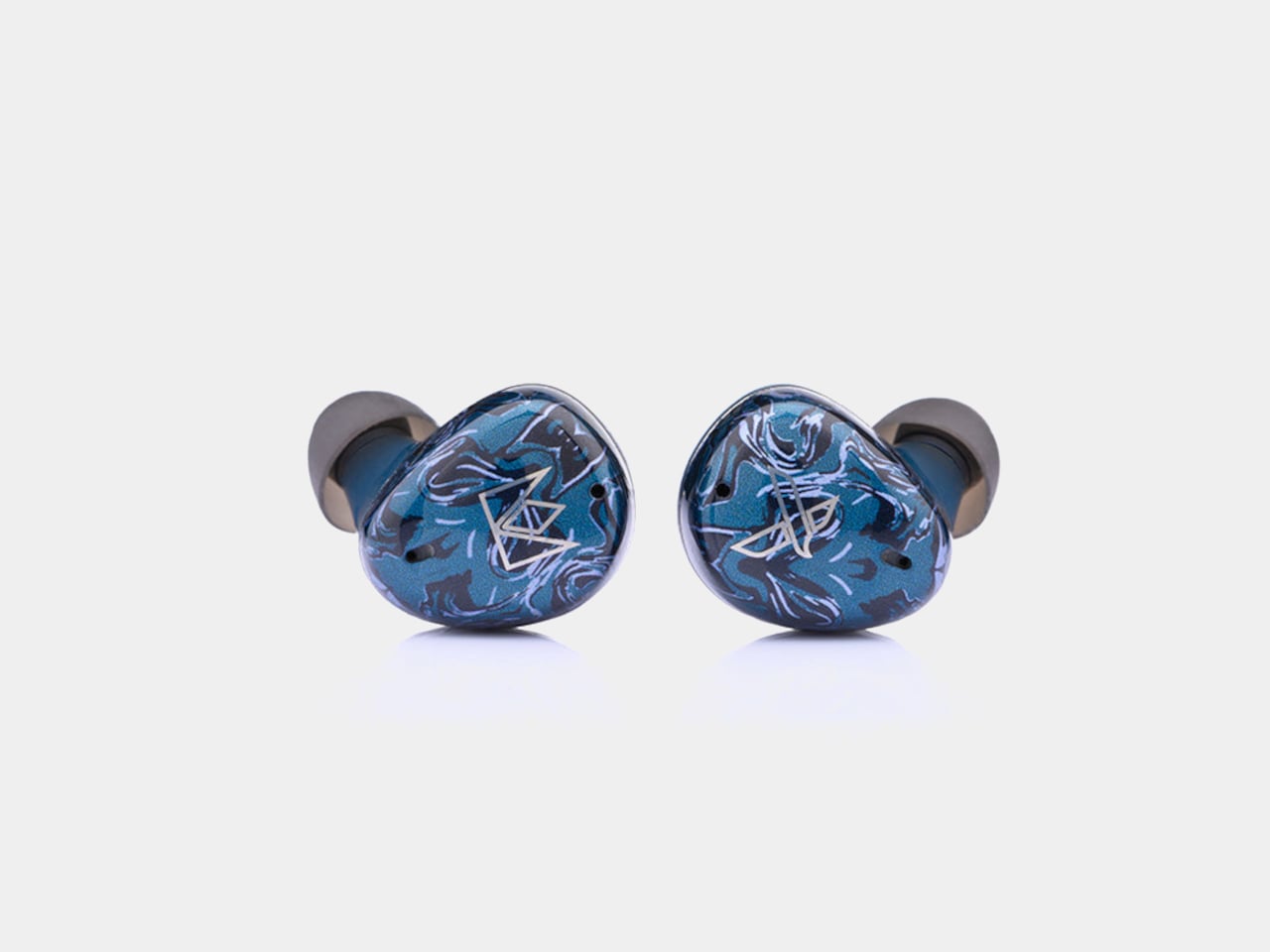
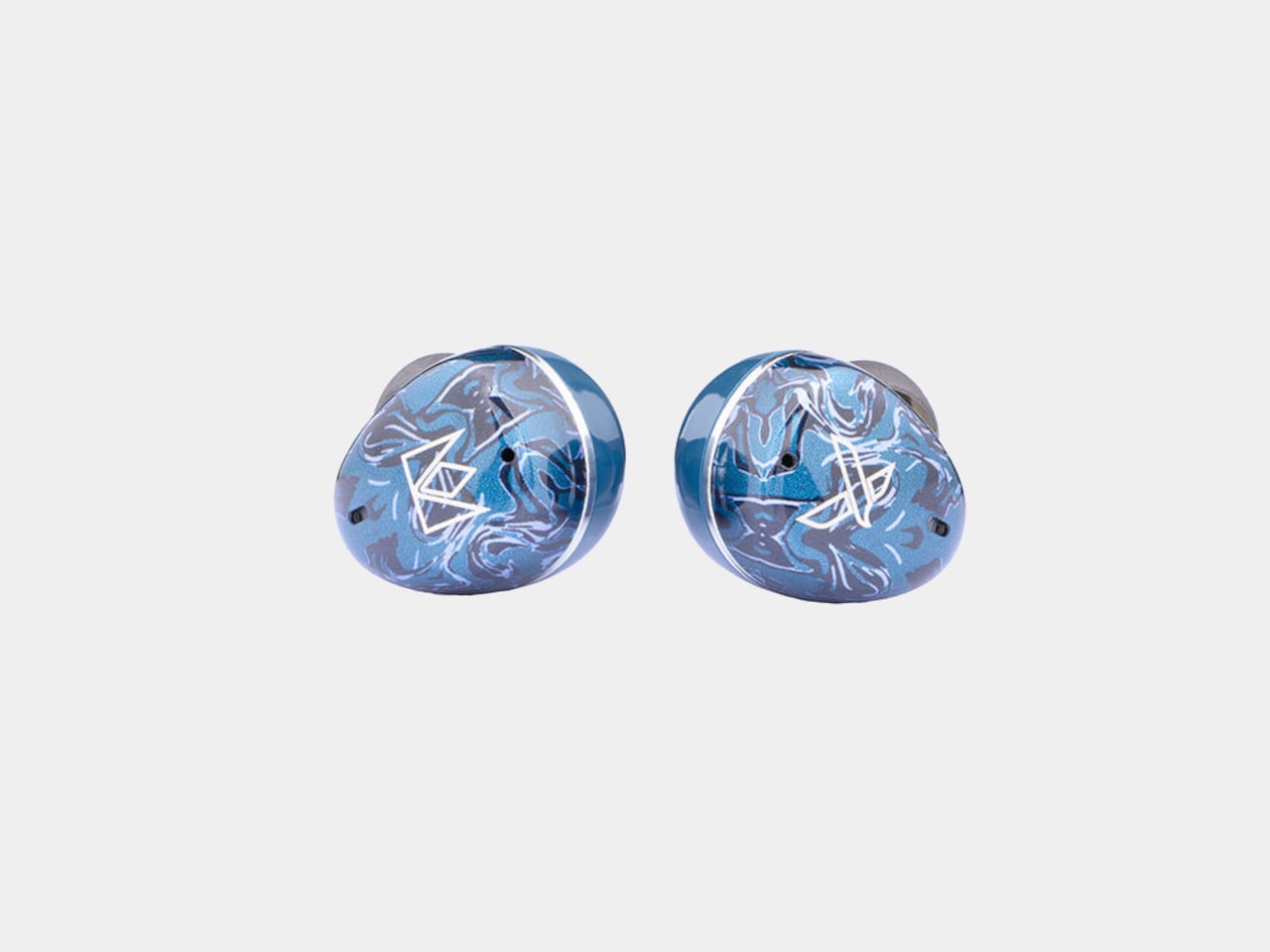
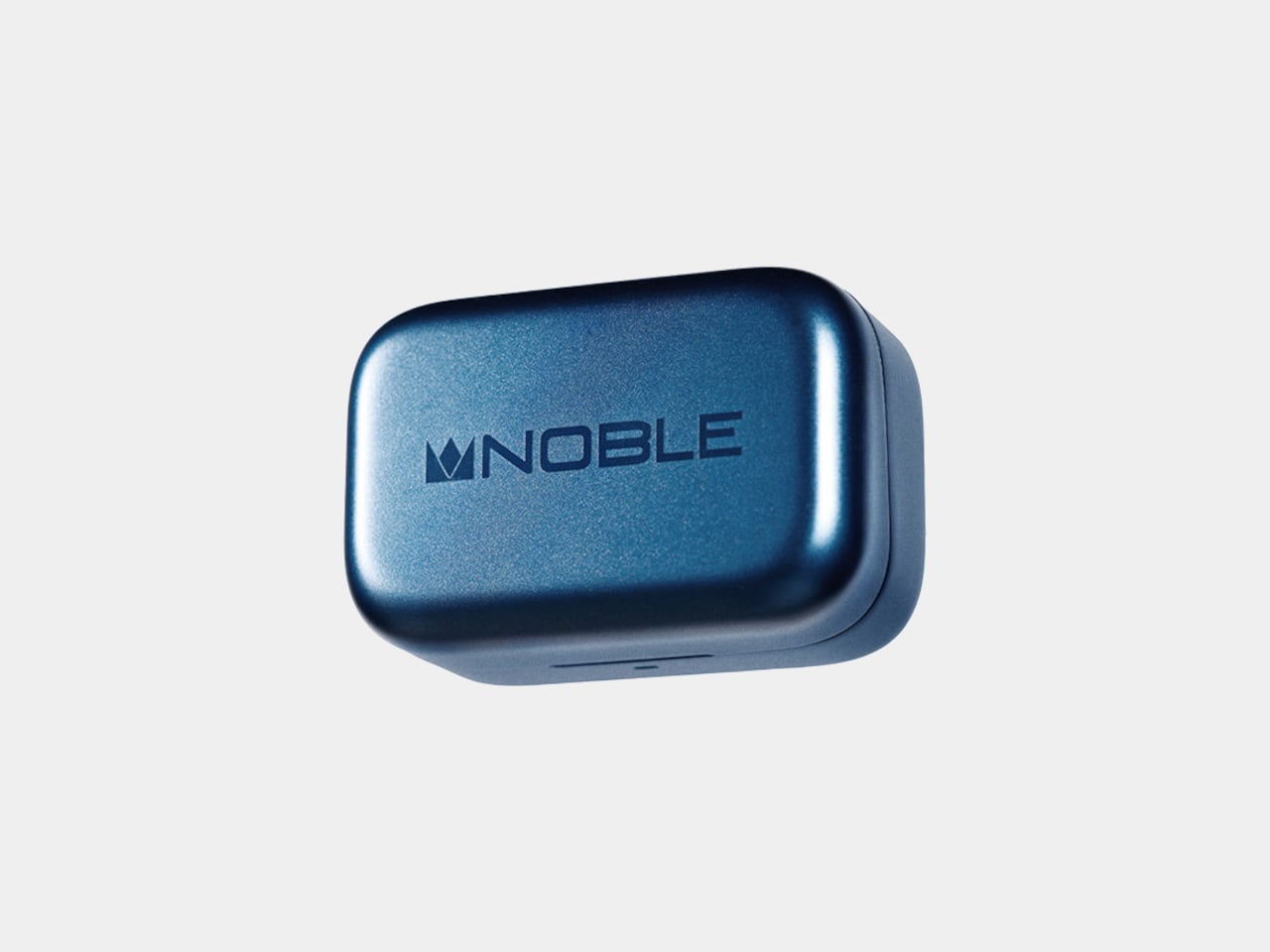
    Noble kept most of its visual identity intact. The Osprey carries the marbled acrylic faceplate aesthetic from the FoKus line, with layered blues that read as deliberate rather than generic. The aluminum charging case matches the color and keeps the premium feel without adding bulk.

    On the practical side, the Osprey includes hybrid ANC, a Hearing Through mode for ambient awareness, and multipoint connectivity for switching between two devices without re-pairing. ANC handles lower frequencies well, though some higher-pitched background noise still gets through. Dual microphones with cVc noise reduction handle calls, and Bluetooth 6.0 via the Airoha 1571 chipset holds a fast, stable connection even in busier wireless environments.

    Battery life sits at seven hours with ANC off and five hours with it on, in line with most competitors. Quick charging is where the Osprey pulls ahead: 10 minutes in the case delivers roughly two hours of listening, a figure that outpaces several earbuds well above this price. The 500mAh aluminum case uses USB-C, and the Noble FoKus app adds a 10-band EQ, touch remapping, and over-the-air updates.

    For context, Sony’s WF-1000XM6 retails at $329.95 and the Sennheiser Momentum True Wireless 4 at $299.95, putting the Osprey around $100 to $130 below either. LDAC support separates it further from mainstream earbuds at the same price, most of which cap out at AAC. Noble Audio opened pre-orders on June 4, with units shipping by the end of June, available directly at nobleaudio.com and through select retailers.

    The post Noble’s $199 Osprey Earbuds Aim Straight at Sony’s XM6 first appeared on Yanko Design.

  • Yanko Design yankodesign.com design product-design yanko-design 2026-06-18 01:45
    ↗

    4 Best Wireless Audio Gadgets for Creators, Now Up to 20% Off For Prime DayMost creator setups get built backwards. The camera comes first, the lighting comes second, and audio ends up being whatever fits in the bag. That...

    Most creator setups get built backwards. The camera comes first, the lighting comes second, and audio ends up being whatever fits in the bag. That compromise has a cost, and anyone who has sat through a well-shot video ruined by hollow, wind-wrecked, or flat dialogue knows exactly what it sounds like. The gap between professional-grade audio and genuinely portable gear has narrowed considerably in the last two years, and a lot of that credit goes to AI noise processing that actually delivers rather than just advertises.

    BOYA has put forward Prime Day options that cover nearly every recording scenario a working creator runs into, at discounts that make this a reasonable time to close that gap. The five products span a wide range, from a thumb-sized lapel that disappears on clothing to a transformable four-mode wireless system to a button-sized transmitter that scales for multi-device team shoots. One of them, BOYA Notra, breaks from the creator audio format entirely and lands in the meeting room, turning live conversations into organized transcripts, summaries, and to-do lists in over 140 languages.

    BOYA mini 2: the Ultra-Compact Everyday Mic

    Where the BOYA Magic is built around transformation, the BOYA mini 2 is built around invisibility. Weighing only 5 grams, the transmitter is the lightest in this roundup, designed to be a set-it-and-forget-it solution for mobile creators, vloggers, and anyone who needs clean audio without the bulk. Its thumb-sized form factor clips onto clothing without pulling or weighing down fabric, making it ideal for casual shoots, social media content, and on-the-go recording where a larger microphone would be too conspicuous. The focus here is pure portability and ease of use, delivering a significant audio upgrade over a phone’s internal microphone in a package that is small enough to live in a pocket.

    Despite its size, the mini 2 shares much of the same audio DNA as its larger counterparts. It features the same 48 kHz / 24-bit audio resolution and AI noise cancellation, with a “Strong” mode for loud environments and a “Light” mode to preserve natural room tone. The companion BOYA Central app allows for quick adjustments to volume, EQ, and noise cancellation levels directly from a smartphone. With a 30-hour battery life via its charging case and a robust 328-foot wireless range, the mini 2 is a surprisingly capable microphone that prioritizes convenience and discretion above all else.

    Click Here To Buy Now: $47.99 with Coupon Code YD22

    BOYA Magic: the 4-in-1 Transformable Creator Mic

    BOYA Magic directly addresses the problem of carrying multiple microphones for different shooting styles. Instead of asking creators to choose between a lavalier, a handheld, a desktop, or an on-camera mic, it combines all four into one compact kit. The core of the system is a 7-gram transmitter that can be used as a discreet clip-on, but it also docks into a handheld grip for street interviews, mounts on a desktop stand for podcasts, and slides into a cold shoe adapter for on-camera use. This transformable design makes it the most physically versatile option in the lineup, built for creators who move between formats and do not want their gear to dictate their workflow.

    The technical specifications are strong enough to support that flexibility. The system captures 48 kHz / 24-bit audio and uses AI noise cancellation to reduce ambient sound by up to 40 dB, which is more than enough to clean up dialogue in busy environments. It also includes thoughtful professional features like a smart limiter and a safety track to prevent audio clipping, an 80 dB signal-to-noise ratio, and up to 30 hours of total recording time with the charging case. For a creator who wants one kit that adapts to nearly any situation, from a desk recording to a field interview, the Magic is engineered to be a clever, all-in-one solution.

    Click Here To Buy Now: $73.5 with Coupon Code YD24

    BOYALINK 3: the Scalable Multi-Device Mic System

    While mics like the mini 2 and Air SE are perfect for solo creators, the BOYALINK 3 is designed for more complex productions. This is the system for small teams, interviewers, and creators who need to feed audio to multiple devices at once. Its key feature is a 2TX-4RX expansion capability, which allows the system to scale up to support eight devices recording simultaneously. This makes it possible to run a two-person interview while sending clean audio to two different cameras and a backup recorder, all from one compact kit. It is a button-sized system that brings a level of workflow flexibility usually found in much larger, more expensive setups.

    The BOYALINK 3 reinforces its professional credentials with a higher 85 dB signal-to-noise ratio for cleaner recordings and includes essential tools like automatic gain control, a limiter, and a safety track to protect against distortion. Each transmitter weighs just 9 grams and features a dustproof grille, making it durable enough for field use. With EQ tuning, real-time monitoring, and up to 30 hours of total battery life, the Link 3 is positioned as the upgrade for creators who are moving beyond basic setups and need a reliable, scalable audio hub for more demanding shoots.

    Click Here To Buy Now: $77.2 with Coupon Code YD23

    BOYA Notra: the AI Note Taker for Total Recall

    The final product in the lineup takes the AI audio technology seen in the microphones and applies it to a completely different problem: remembering conversations. The BOYA Notra is not a creator tool, it is a dedicated AI note-taking device designed for professionals, students, and anyone who needs to capture meetings, lectures, or calls without losing focus. It records conversations from three sources, ambient room audio, phone calls, and Bluetooth earbuds, and then turns the raw audio into structured, usable information. This is a device built for productivity and memory relief, not for content production.

    The Notra’s intelligence lies in its post-recording processing. It transcribes speech in over 140 languages, automatically identifies different speakers, and generates summaries, to-do lists, and mind maps from the conversation. All recordings are stored on its 64 GB of local storage with a private cloud backup. With up to 24 hours of continuous recording and a slim, magnetic design, the Notra is a powerful tool for anyone who has ever wished they had a perfect record of a conversation. It turns every discussion into organized, searchable knowledge, ensuring that no key details are ever missed.

    Click Here To Buy Now: $119 with Coupon Code YD21

    The post 4 Best Wireless Audio Gadgets for Creators, Now Up to 20% Off For Prime Day first appeared on Yanko Design.

  • Yanko Design yankodesign.com design product-design yanko-design 2026-06-18 00:30
    ↗

    This might be the most bad-ass Mercedes-Benz Concept Car of all time…Design school thesis projects rarely get permission to be reckless. Most are built to please a panel of professors, sanded down until every surface looks...

    Design school thesis projects rarely get permission to be reckless. Most are built to please a panel of professors, sanded down until every surface looks defensible on a resume. Jaeun Park ignored that instinct entirely with his MA thesis project, a Mercedes concept he calls Vision Timeless, framed around a simple tension he labels modernity over heritage. Rather than softening Mercedes’ most aggressive vintage design cues, Park amplified them until the result looks more predator than luxury sedan. The question driving the whole project seems to be how far you can push a heritage grille before it stops referencing the past and starts threatening the present.

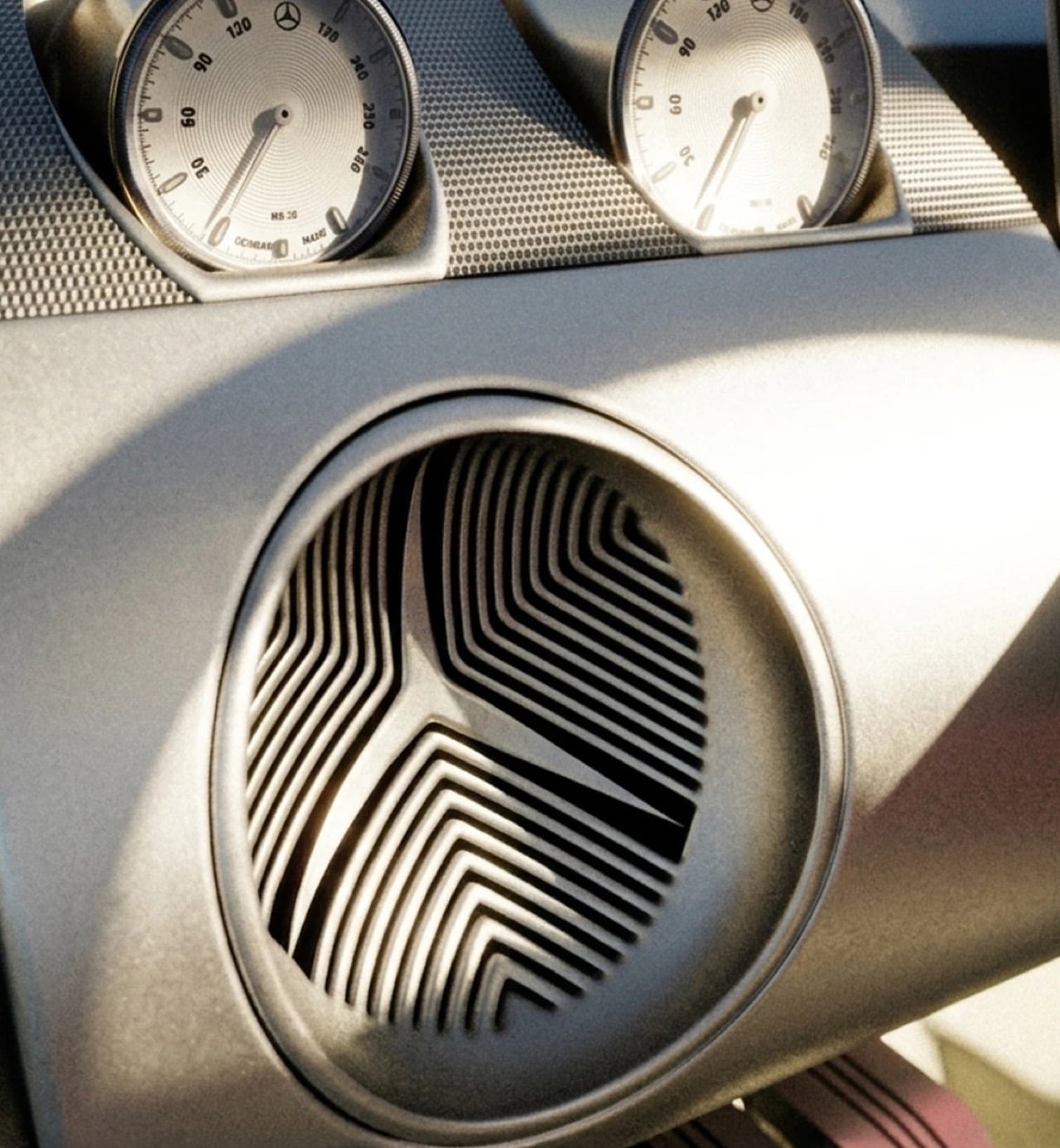
    Built entirely in Blender by Park himself, the concept reimagines the brand’s vertical slat grilles from the 300 SL and W100 Pullman as one continuous trapezoidal mesh that consumes the three pointed star into its own structure. The proportions lean long and low, with a stretched hood, a teardrop fastback roofline, and gullwing doors that nod directly to Mercedes’ most iconic body style. Around back, the badge reappears as fractured triangular taillights rendered in red, a graphic flourish that turns a regulatory necessity into a design statement. Park rendered the body in multiple finishes, cycling between mirror chrome, gunmetal black, and an iridescent maroon that shifts hue under different lighting setups. Inside, a crystal shift knob and brushed metal trim suggest he was thinking about jewelry as much as ergonomics. This is heritage design with the brakes cut.

    Designer: Jaeun Park

    Park stacked dozens of vertical slats into a single trapezoidal block that narrows slightly at the base, a shape lifted from the W100 600 Pullman’s upright nose and stretched until it covers most of the front fascia. Thin LED strips run along either side instead of sitting in separate housings, so the face reads as one continuous slab rather than a stack of parts. The three pointed star gets folded into the lattice itself instead of sitting centered and isolated the way it does on every other Mercedes, visible only as a faint outline depending on the angle. The Pullman used this grille shape to signal formality and state car presence. Park uses the same vertical rhythm to signal something closer to a predator’s grille.

    The hood runs long and flat in the classic front engine GT layout, while the cabin sits pushed back into a teardrop greenhouse that tapers almost to a point at the tail. Gullwing doors hinge upward the way they did on the original 300 SL, which tracks given how directly this project pulls from that car. The surfacing skips hard character lines almost entirely, relying on continuous curvature instead. Park rendered the body in several finishes: a polished silver, a near black gunmetal against raw concrete, and a maroon that shifts toward violet depending on the light. Each finish changes how the car reads, from industrial to something more expensive looking.

    Park breaks the three pointed star apart at the rear instead of folding it into a single shape, splitting the badge into triangular red taillight clusters that look like shards. A Kamm style cutoff gives the tail a clean edge rather than letting the teardrop roofline trail off. The rear glass sits nearly flush with the body, with no spoiler or wing breaking up the surface, so the fractured taillight graphic stays the focal point. Most Mercedes badges sit centered and symmetrical at the back. This one looks like it got hit with a hammer, and that’s clearly the intent.

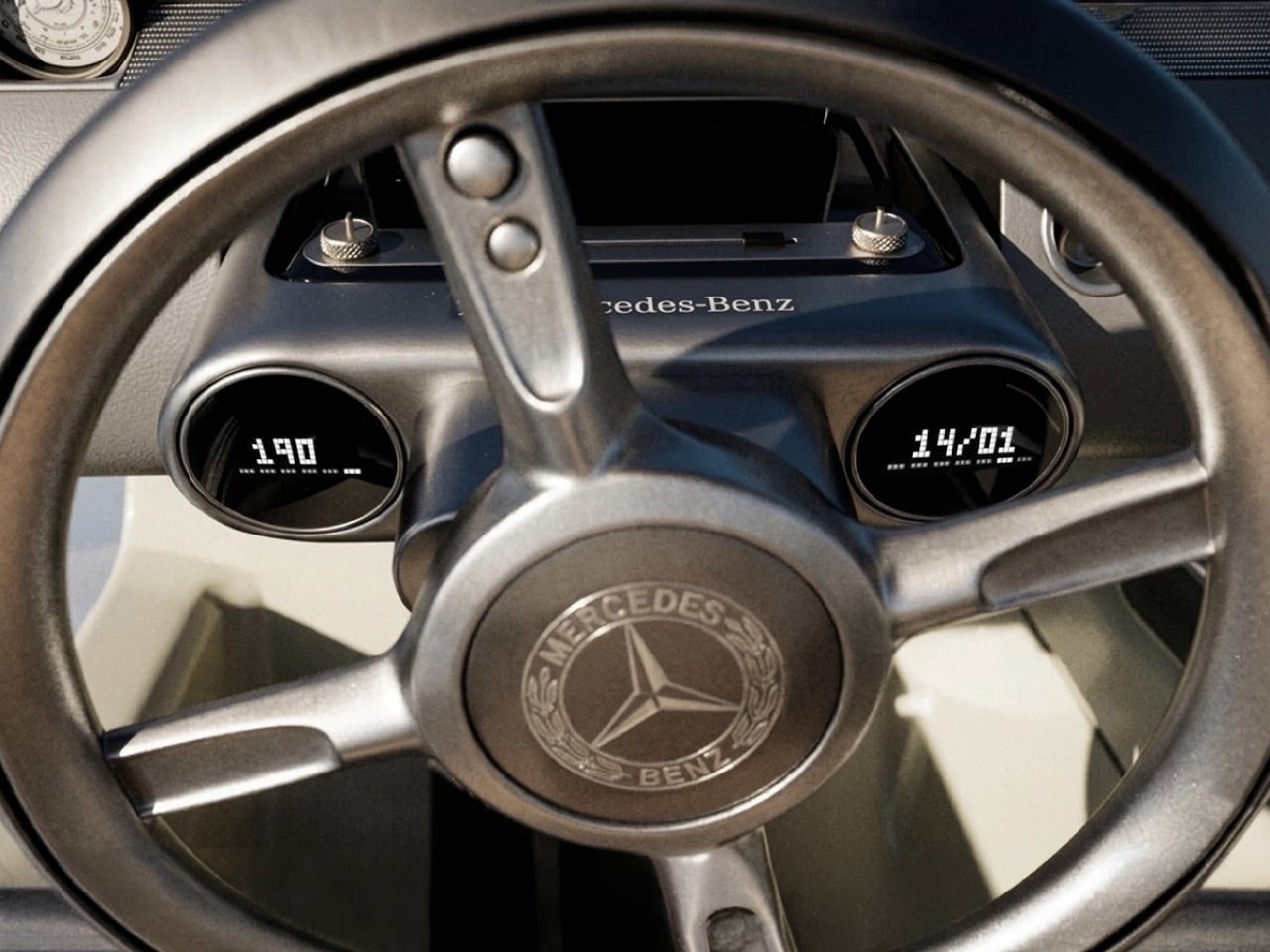
    Inside, a twin dial gauge cluster sits behind a small, low steering wheel with the Mercedes badge centered at the hub, next to a strip of brushed metal toggle switches that look pulled from a vintage aircraft panel. A faceted shift knob rises from the center console, catching light the same way the exterior’s chrome finishes do. Quilted cream leather covers the seats and door panels, the only soft material in a cabin built mostly from metal and glass. Park pairs a 1950s instrument layout with materials that lean closer to a wristwatch than a dashboard. It reads more like a cockpit than a passenger cabin.

    None of this comes from Mercedes, which is worth being clear about. Vision Timeless is Park’s MA thesis, modeled entirely in Blender 3D out of his studio in Paris, part of a growing pool of independent automotive renders, alongside work like Gabriel Naretto’s Uhlenhaut Shooting Brake, that look close enough to factory output to get mistaken for it. The render quality holds up under scrutiny: lighting, reflections, and material transitions are handled at a level that wouldn’t look out of place in an actual Mercedes press kit. Naretto’s Uhlenhaut leaned nostalgic. Park’s leans aggressive. Same heritage cues, two very different takes on what to do with them.

    A grille this dense would be expensive to stamp or mold at scale, and a glass heavy cabin with doors this long would need real engineering before it met crash standards. That’s not really the point of a thesis project. Park set out to see how far a heritage shape could be pushed before it stopped looking respectful and started looking aggressive, and Vision Timeless answers that cleanly. The modernity over heritage framing he built this around reads less like an academic exercise and more like a real design position once you see the finished renders. Mercedes has used its own concepts, like the Vision Iconic, as farewell statements rather than production previews. Park doesn’t have that institutional backing, and the project doesn’t need it to land.

    The post This might be the most bad-ass Mercedes-Benz Concept Car of all time… first appeared on Yanko Design.

  • Yanko Design yankodesign.com design product-design yanko-design 2026-06-17 23:30
    ↗

    This Bright Yellow Kinetic Sculpture in London Is Meant to Be Walked ThroughThere are artworks you look at, and there are artworks you walk through. Jesús Rafael Soto understood the difference better than almost anyone. The Venezuelan...

    There are artworks you look at, and there are artworks you walk through. Jesús Rafael Soto understood the difference better than almost anyone. The Venezuelan kinetic artist spent his career dismantling the passive relationship between viewer and object, and nowhere is that ambition more fully realized than in his ‘Pénétrable’ series — sculptures built not to be observed, but to be entered. ‘Pénétrable BBL Jaune’, originally conceived in 1999, remains the purest expression of that idea.

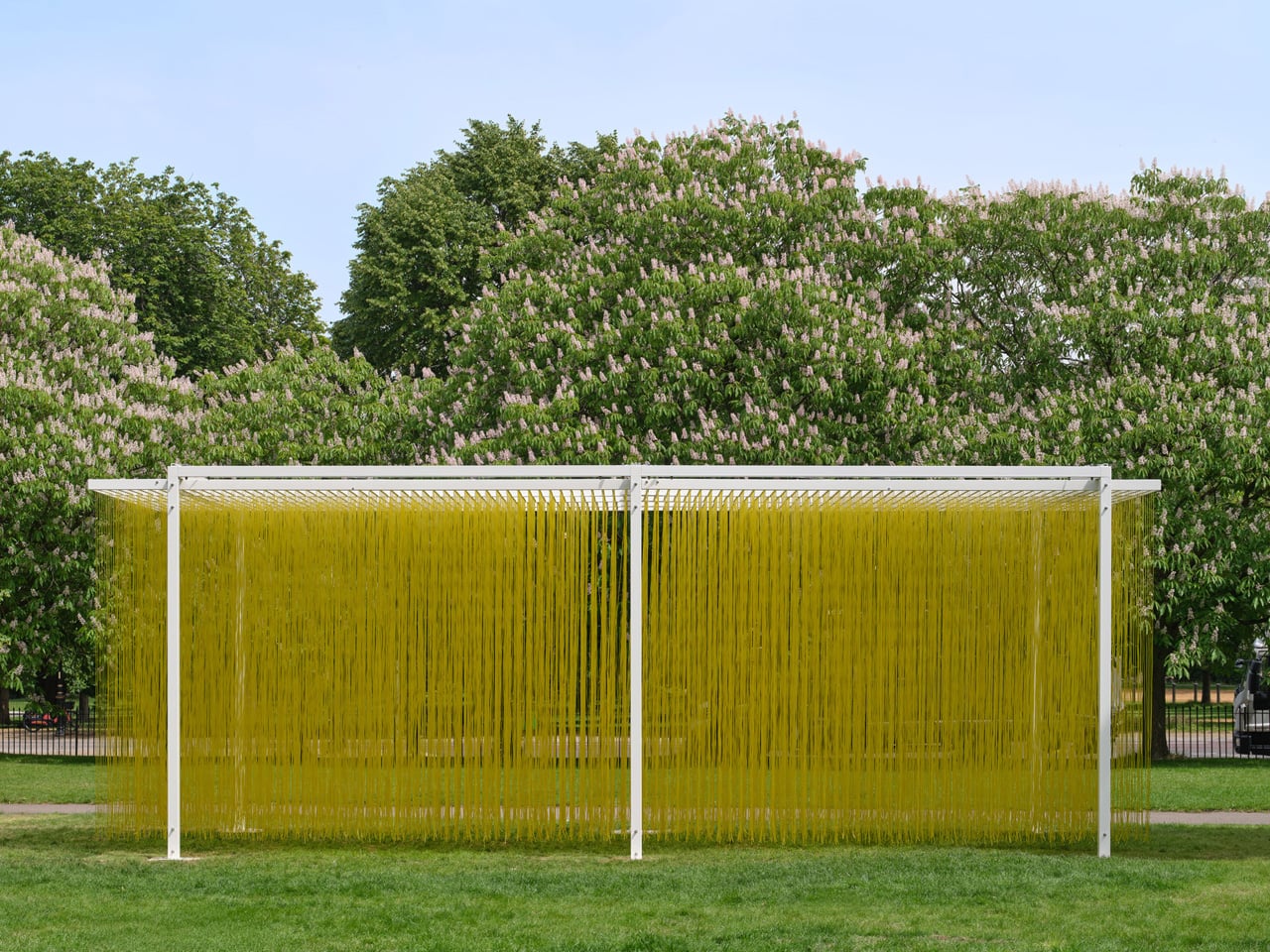
    The work is deceptively simple in form. A white steel frame suspends thousands of yellow PVC tubes — around 4,000 in total — that hang in a dense, luminous field. At a distance, it reads almost like a monolithic block of color, a solid presence that the eye cannot immediately parse. Move closer, and the illusion shifts. Step inside, and it dissolves entirely. The tubes brush against your arms, your shoulders, your face. The sculpture is no longer in front of you — you are inside it, and it is responding to you. That exchange, that collapse of separation between the work and the person experiencing it, was Soto’s lifelong obsession.

    Designer: Jesús Rafael Soto

    Soto was born in Ciudad Bolívar, Venezuela, in 1923, and spent much of his career in Paris, where he became central to the kinetic and Op Art movements of the 1950s and 60s. He died in 2005, but his estate relaunched ‘Pénétrable BBL Jaune’ in 2023 to mark the centenary of his birth, ensuring the work would find new audiences in new contexts. In 2026, that context became London. The Serpentine Galleries installed the piece outside Serpentine South as part of their summer art programme — the first work by Soto ever shown outdoors in the UK.

    Serpentine artistic director Hans Ulrich Obrist, who helped select the work, described Soto’s ‘Pénétrable’ as a genuine invention — a shift from object to relation. “It goes from an object to a relation,” Obrist noted, “and we felt that would be amazing as part of our public art projects.” That framing feels precise. The yellow tubes are not decorative. They are a mechanism for recalibrating how a body moves through space, how a crowd becomes a participant, how color becomes atmosphere rather than surface.

    What makes ‘Pénétrable BBL Jaune’ endure is its refusal to age into mere spectacle. In a cultural moment saturated with immersive experiences engineered for the camera, Soto’s work asks something different — not that you photograph it, but that you feel it. The tubes sway. The light shifts. The boundary between you and the artwork, for a moment, disappears entirely.

    The post This Bright Yellow Kinetic Sculpture in London Is Meant to Be Walked Through first appeared on Yanko Design.

  • Yanko Design yankodesign.com design product-design yanko-design 2026-06-17 22:30
    ↗

    How Pasta Became Interior Design’s Most Playful MuseThere is something wonderfully unserious, and yet oddly elegant, about pasta-inspired decor. What began as an April Fools’ joke by luxury stone and tile company...

    There is something wonderfully unserious, and yet oddly elegant, about pasta-inspired decor. What began as an April Fools’ joke by luxury stone and tile company Artistic Tile has now become part of a broader design movement that treats pasta as form, memory, geometry, and material inspiration.

    In April, Artistic Tile posted its newest “product line” on Instagram: mosaics featuring macaroni and farfalle shapes arranged like pasta in sauce. The collection, cheekily called Al Dente, immediately caught attention. Followers loved the concept, with many joking that Italian restaurants should take the idea seriously. The only problem? It was posted on April 1. The tiles were never originally meant to be real. But the joke had too much flavor to stay fictional.

    Designer: Studio Yellowdot

    The idea first emerged while Artistic Tile’s president and chief product officer, Zach Epstein, was reviewing another design with a boomerang-like shape. The curve suggested something more familiar and playful: macaroni. After the enthusiastic online response, Artistic Tile decided to bring the concept to life through its Tailored To program, which allows for custom designs. What started with macaroni and farfalle expanded into vodka rigatoni made from limestone and Rosa Perlino, and butter noodles made with Limone Marmi marble. Beneath the humor, the pattern works because it is recognizable, abstract, and decorative without feeling too literal.

    That balance between wit and refinement is exactly why pasta has become such an appealing muse for designers. Pasta is familiar, playful, sculptural, and deeply emotional. It carries family memories, comfort, culture, and craft, while offering an endless library of shapes: ridges, curls, tubes, shells, folds, ribbons, and spirals.

    Pasta-inspired design does not need to belong only in Italian restaurants or food-focused spaces. Its value lies in its ability to spark conversation anywhere. A pasta-shaped pull on a cabinet, a lasagna-inspired chair, or a macaroni mosaic creates a moment of recognition. People pause, smile, and look closer. That small moment of surprise adds emotional value to an interior. It makes a space feel more human, less predictable, and more open to storytelling.

    In an age where many interiors can feel overly polished or algorithmically similar, pasta brings a charming disruption. It introduces humor without making the space feel childish. It creates nostalgia without becoming overly sentimental. Because nearly everyone has some relationship with pasta, through family dinners, grocery aisles, childhood meals, or comfort food memories, the motif carries an easy emotional resonance. It becomes a shared reference point, allowing design to feel more approachable and social.

    Canadian Italian artist and industrial designer Chris Fusaro’s work shows how pasta can operate as a design language. His bronze objects appear to be built from hyperrealistic pasta pieces, transforming bowls, strainers, trivets, lamps, pendants, and chairs into playful studies of repetition and form. In this context, pasta becomes a modular system. Its many shapes allow the idea to expand across different scales and objects without feeling immediately exhausted.

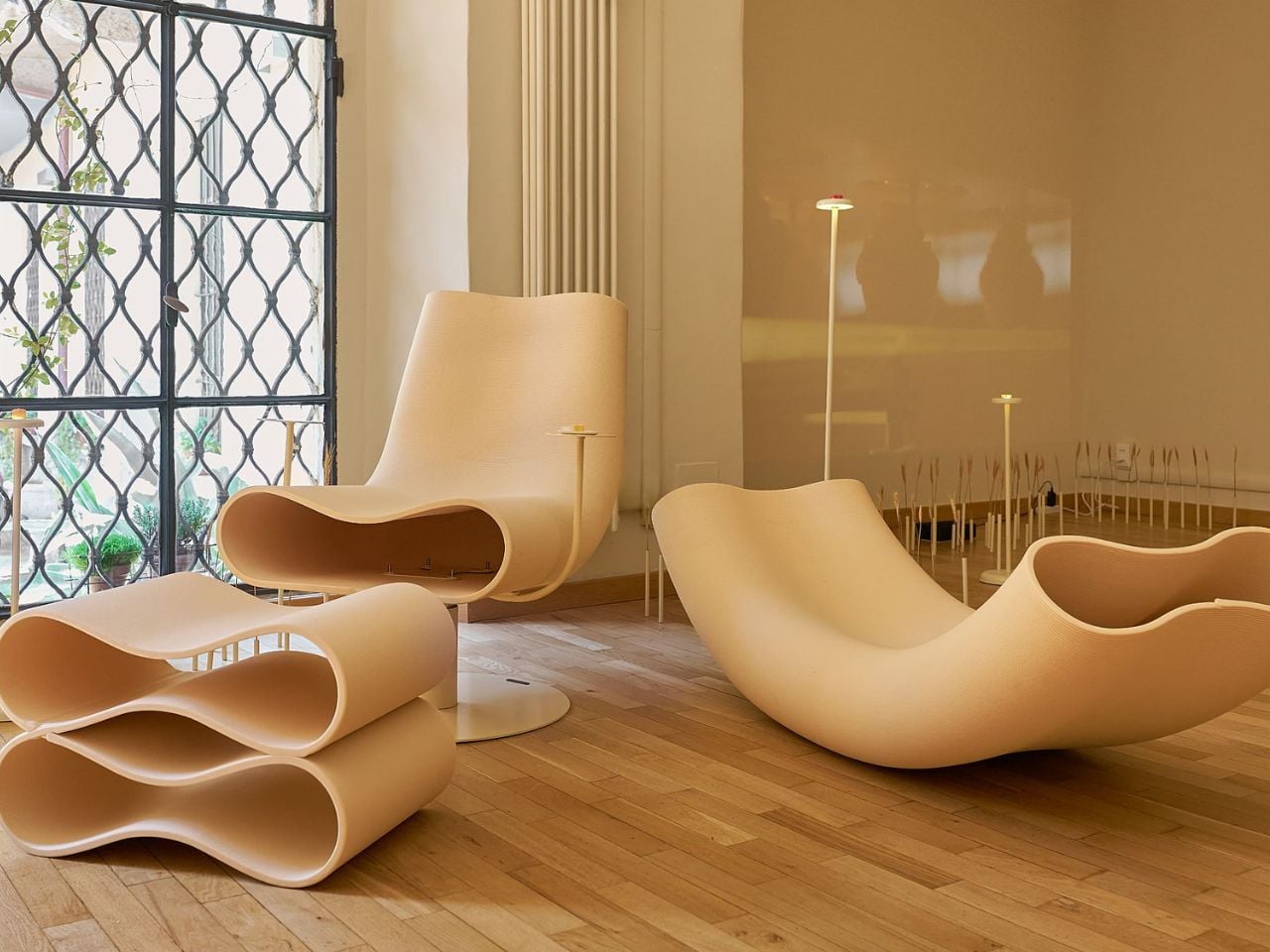
    At Milan Design Week, pasta moved into an even larger spatial language through Edible Reveries, an exhibition by Artisia, a Barilla-owned company specializing in 3D-printed dry pasta, and Studio Yellowdot. Alongside tastings, visitors encountered pasta-inspired furniture, including a lounge seat, rocking chair, and ottoman shaped like enlarged dry noodles. The furniture was also 3D-printed, using a wood-composite material that echoed the process of shaping pasta dough. The result was surreal yet functional: soft and noodle-like in appearance, stable and architectural as furniture.

    Other designers are exploring pasta at a more intimate scale. Australian hardware brand Lo & Co Interiors released its own Al Dente collection, featuring orecchiette-inspired knobs and lasagne-like pulls. These pieces bring a subtle wink to furniture and cabinetry. Their appeal lies in the way they feel familiar and sophisticated. A pasta-inspired drawer pull can be humorous, and when treated with the right material, finish, and proportion, it becomes unexpectedly elegant.

    This trend feels timely because contemporary interiors are moving away from overly disciplined, sterile perfection and toward objects with personality, tactility, and a stronger sense of handcraft. Pasta forms naturally offer irregularity and charm. They feel shaped rather than engineered. They carry presence without becoming intimidating.

    San Francisco designer Caleb Ferris found inspiration in pasta while observing the range of shapes found in grocery store aisles during the pandemic. The variety of pasta forms revealed itself as a kind of mass-produced design library. His lasagna chair, made in a ruffled black satin silhouette, brought tongue-in-cheek humor into furniture and went on to win the 2023 ICFF Editors Award for Seating. In a moment when people were craving lightness, pasta offered comedy, craft, and a break from overly serious design language.

    New York interior designer Tara McCauley has leaned into the theatrical side of pasta. Her lamp, made with real linguine, faux parsley, and a clam shell base, plays with the line between decorative object and edible absurdity. The piece creates a moment of surprise: at first glance, it reads as a whimsical design object, but up close, the use of real pasta turns it into something stranger and more memorable.

    Pasta-inspired design works because it is funny without feeling disposable. It adds value to interior spaces by being memorable. It gives people something to notice, talk about, and connect with. Whether placed in a home, boutique hotel, retail space, gallery, or restaurant, it can soften the atmosphere and make the environment feel more personal.

    Pasta has always carried the logic of design. It is engineered to hold sauce, shaped for texture, scaled for the hand and mouth, and tied to ritual. Now, designers are moving it from the kitchen table into the wider world of interiors. The result is a little ridiculous, surprisingly refined, and very hard not to love.

    The post How Pasta Became Interior Design’s Most Playful Muse first appeared on Yanko Design.

  • Yanko Design yankodesign.com design product-design yanko-design 2026-06-17 21:30
    ↗

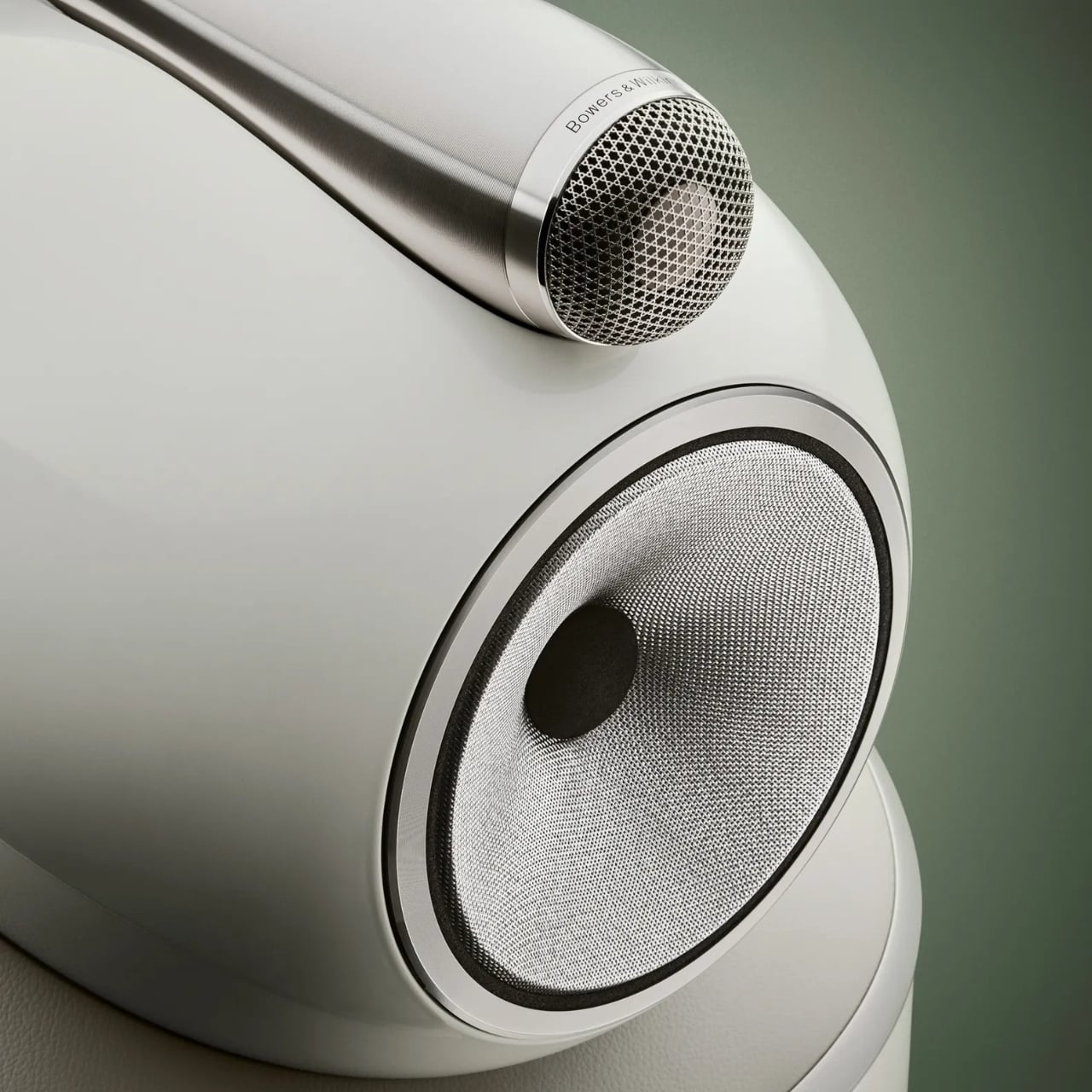
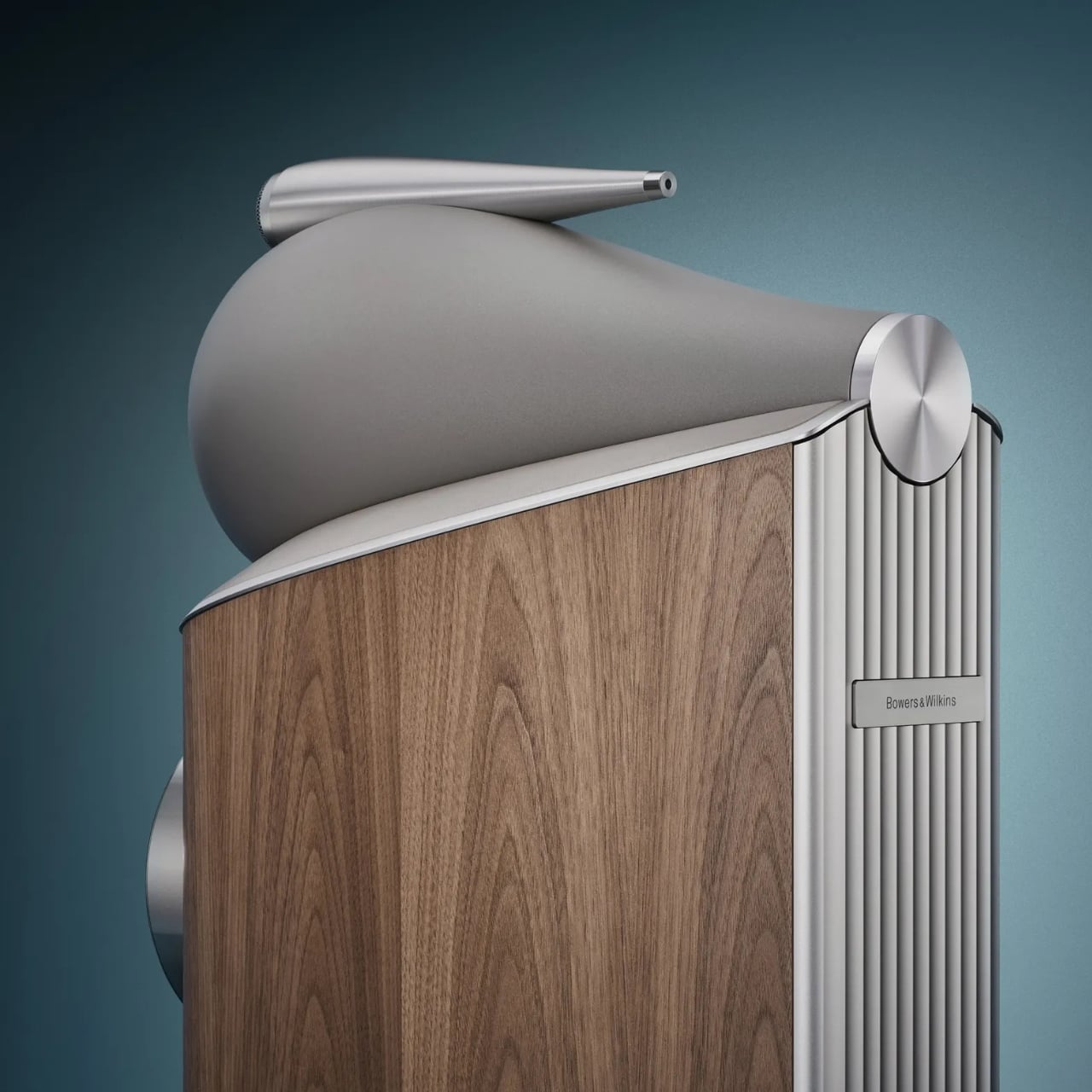
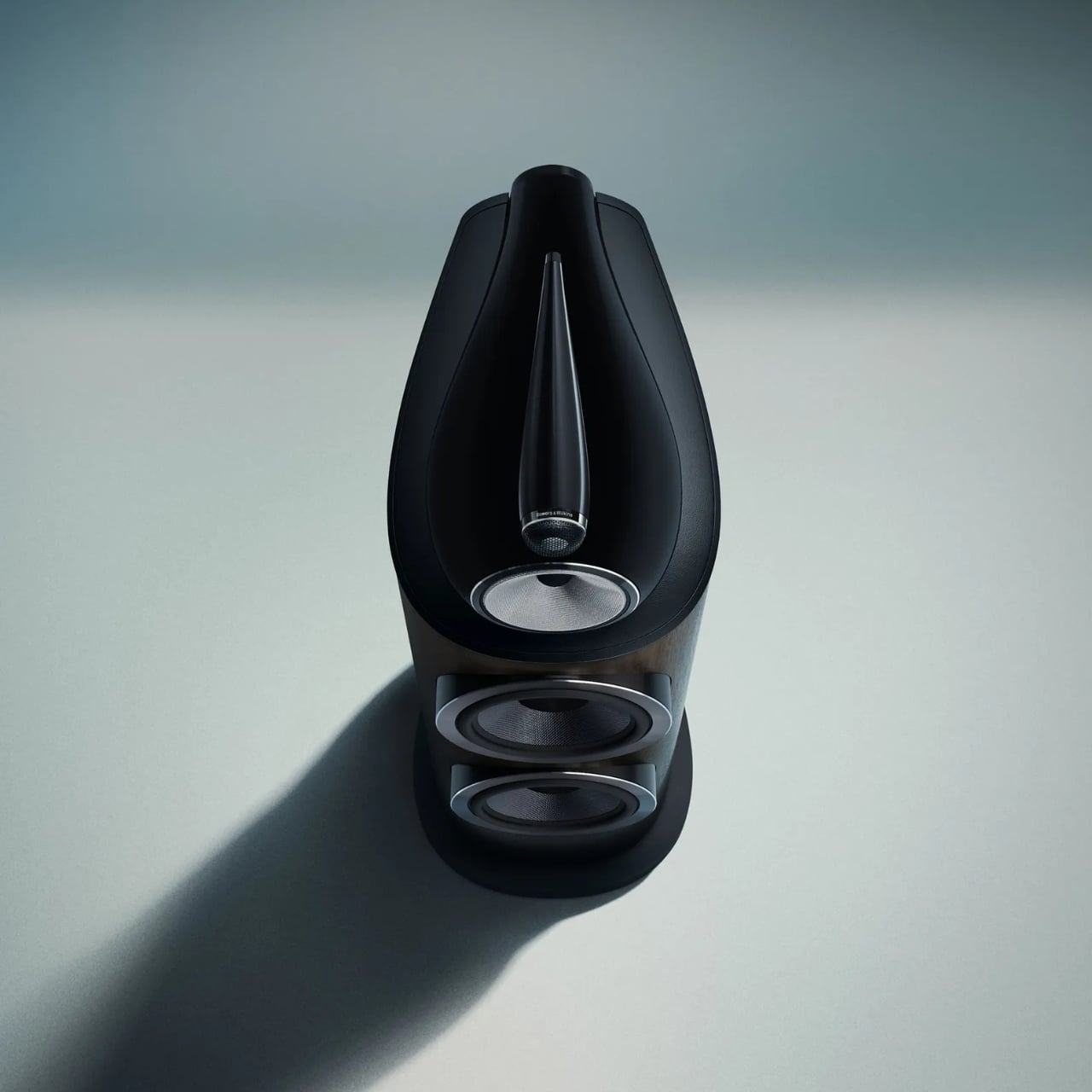
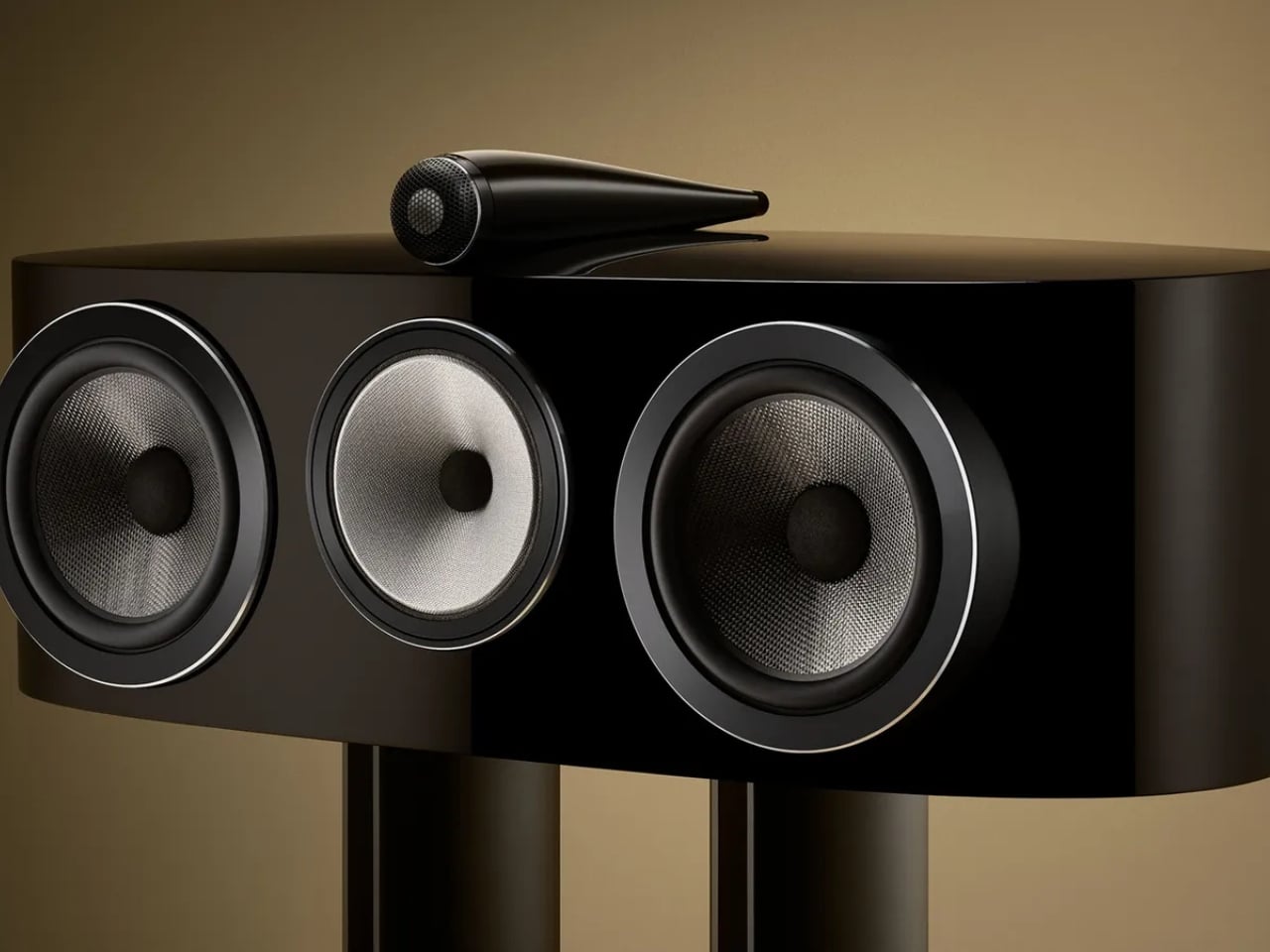
    Bowers & Wilkins Spent 60 Years on These Speakers. It Shows.Most brands celebrate a 60th anniversary with a retrospective book or a limited-edition colorway. Bowers & Wilkins celebrated theirs by unveiling what may genuinely be...

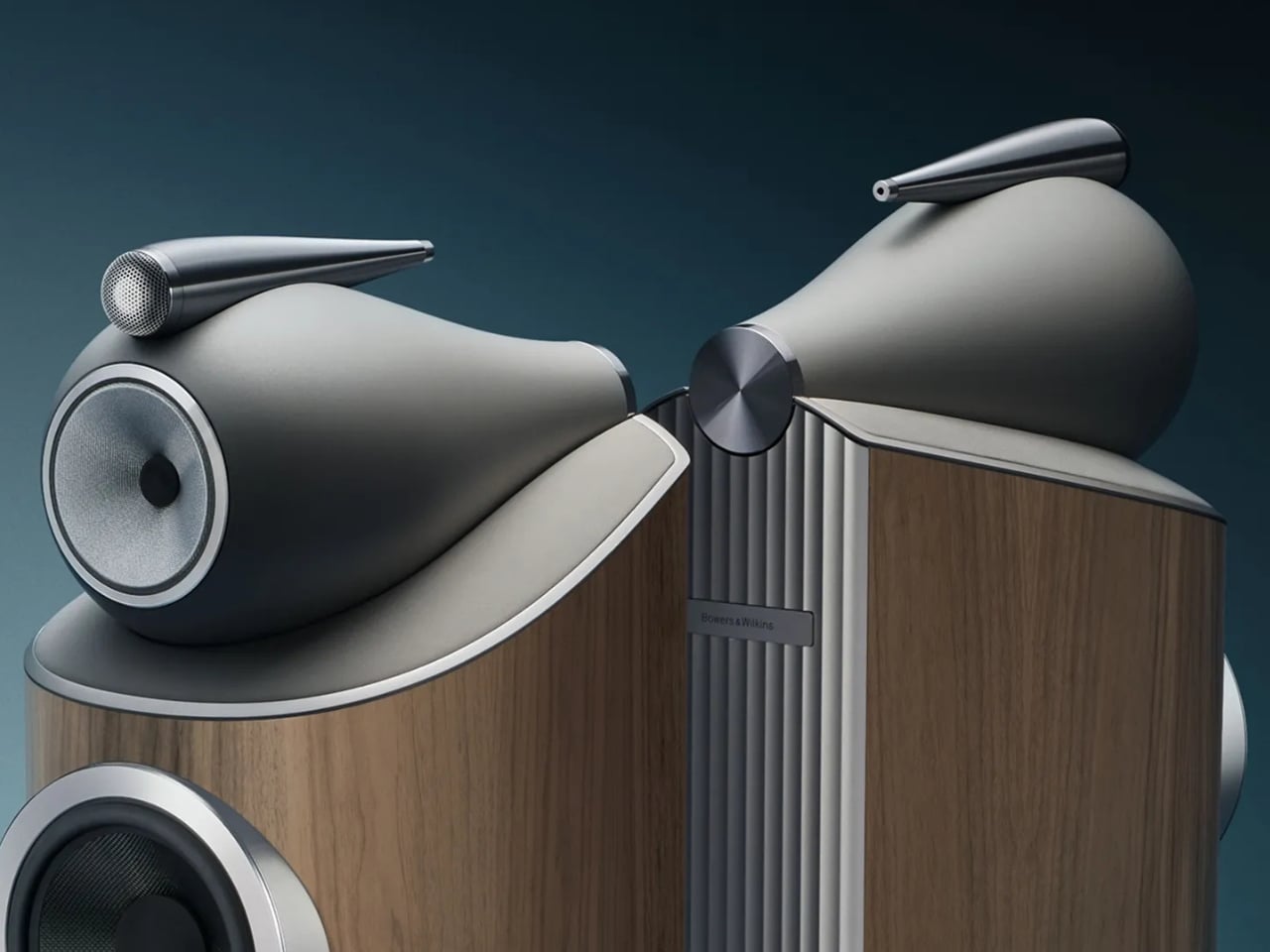
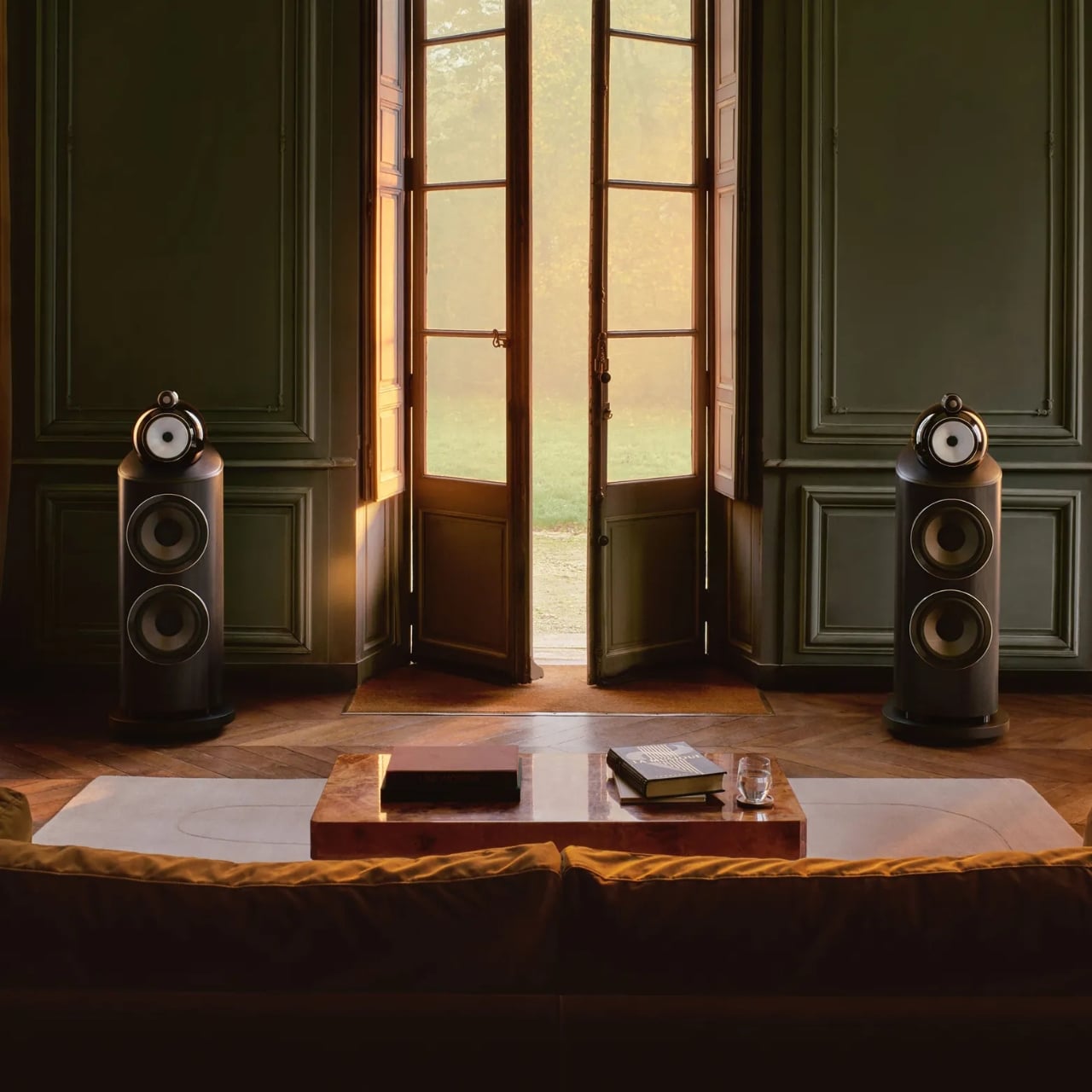
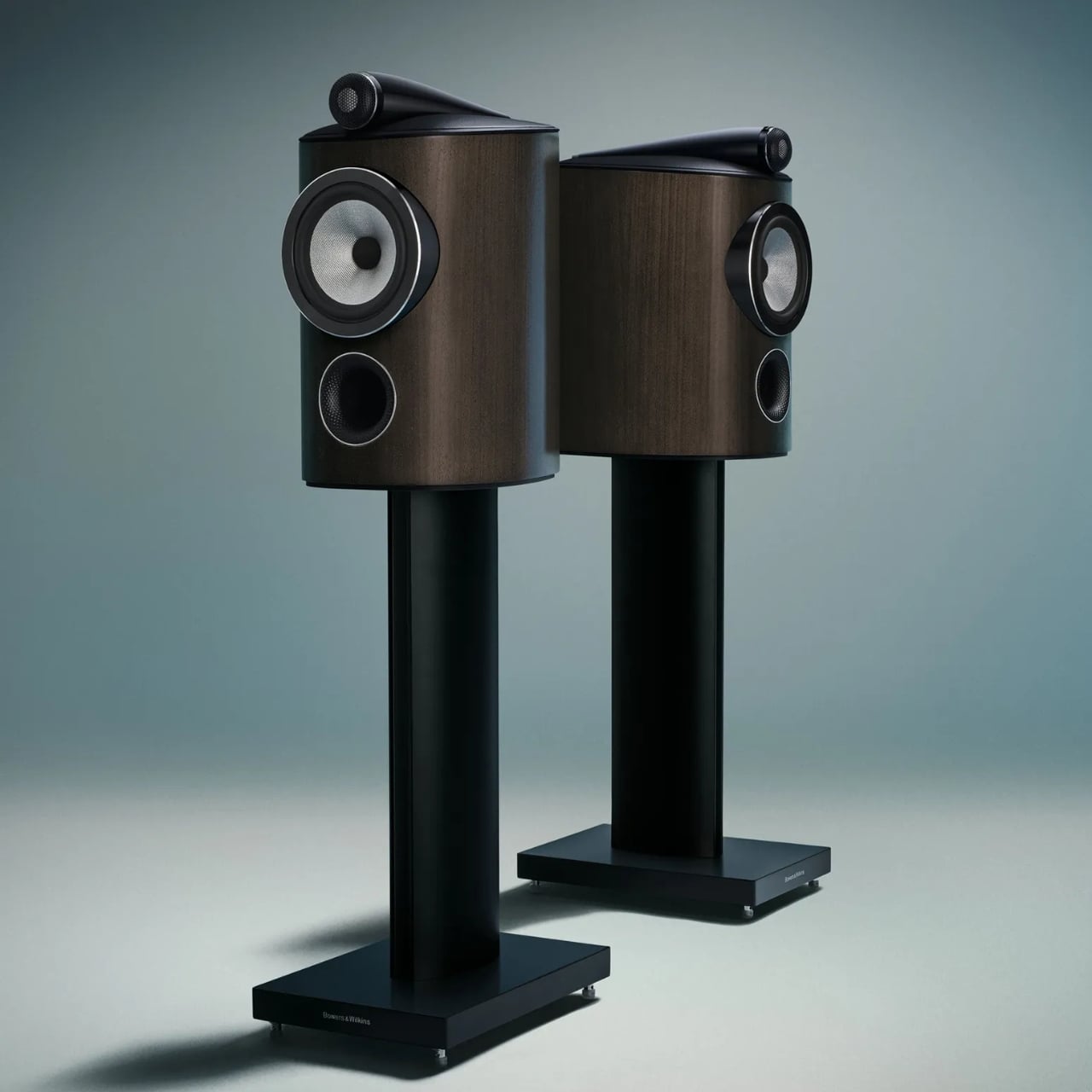
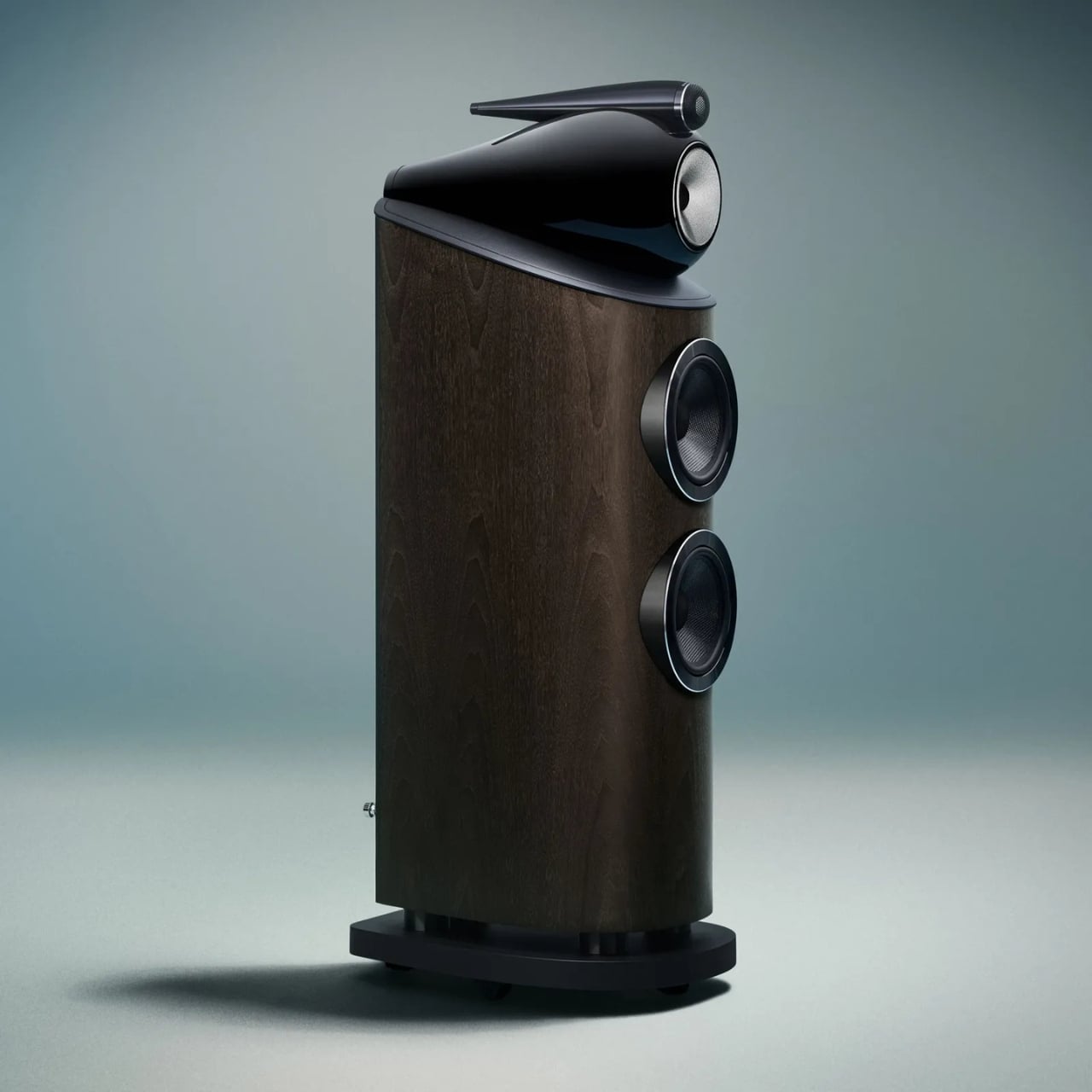
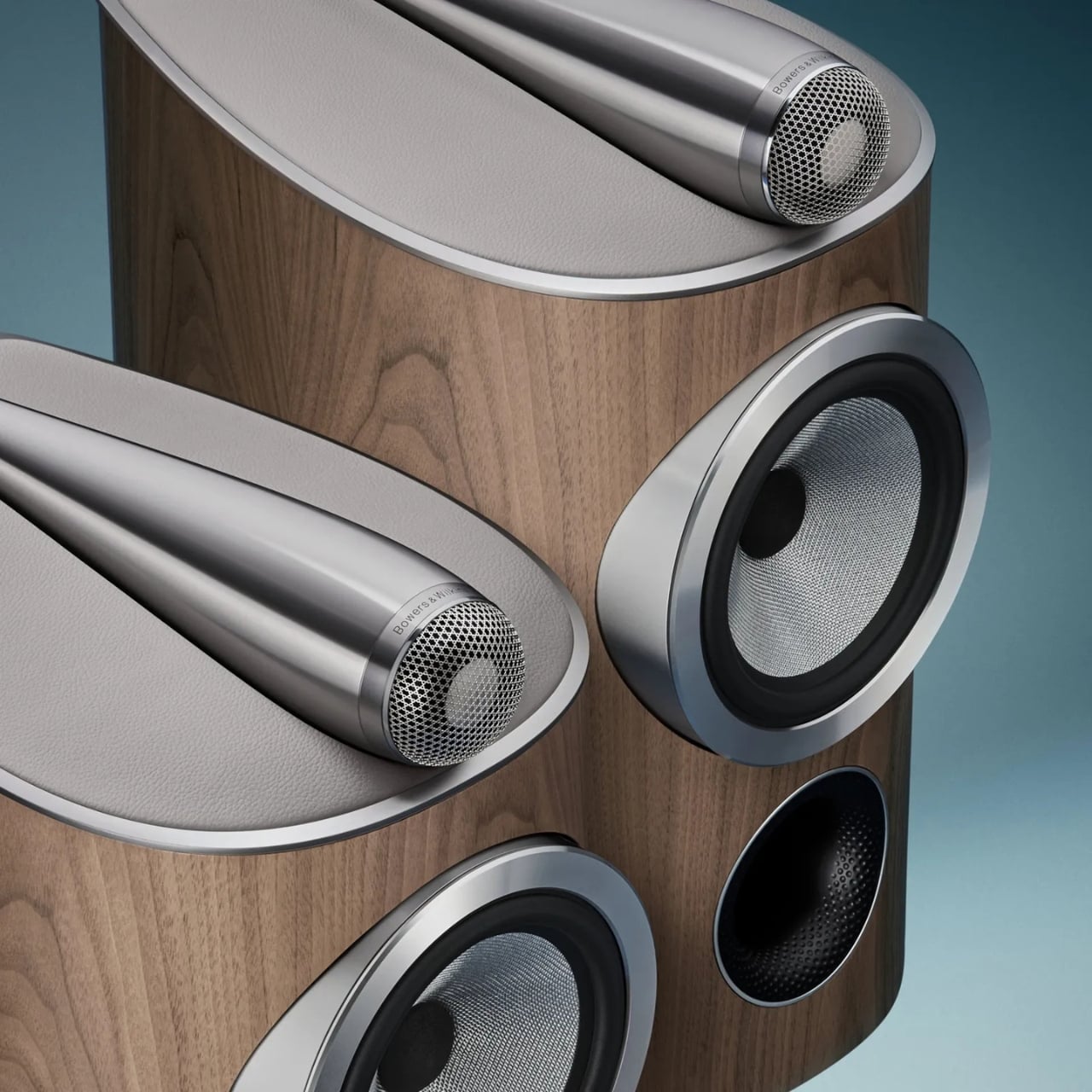
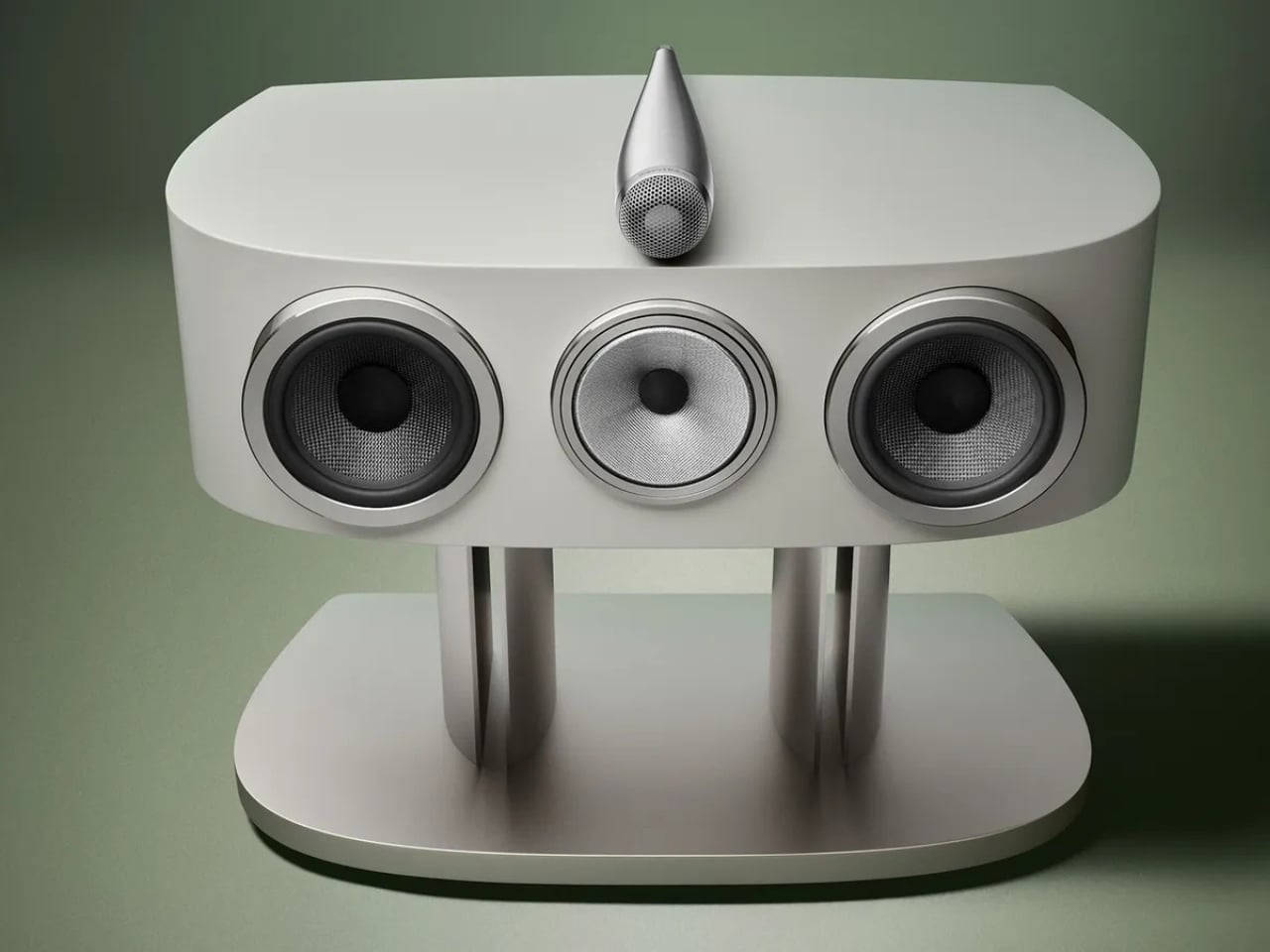
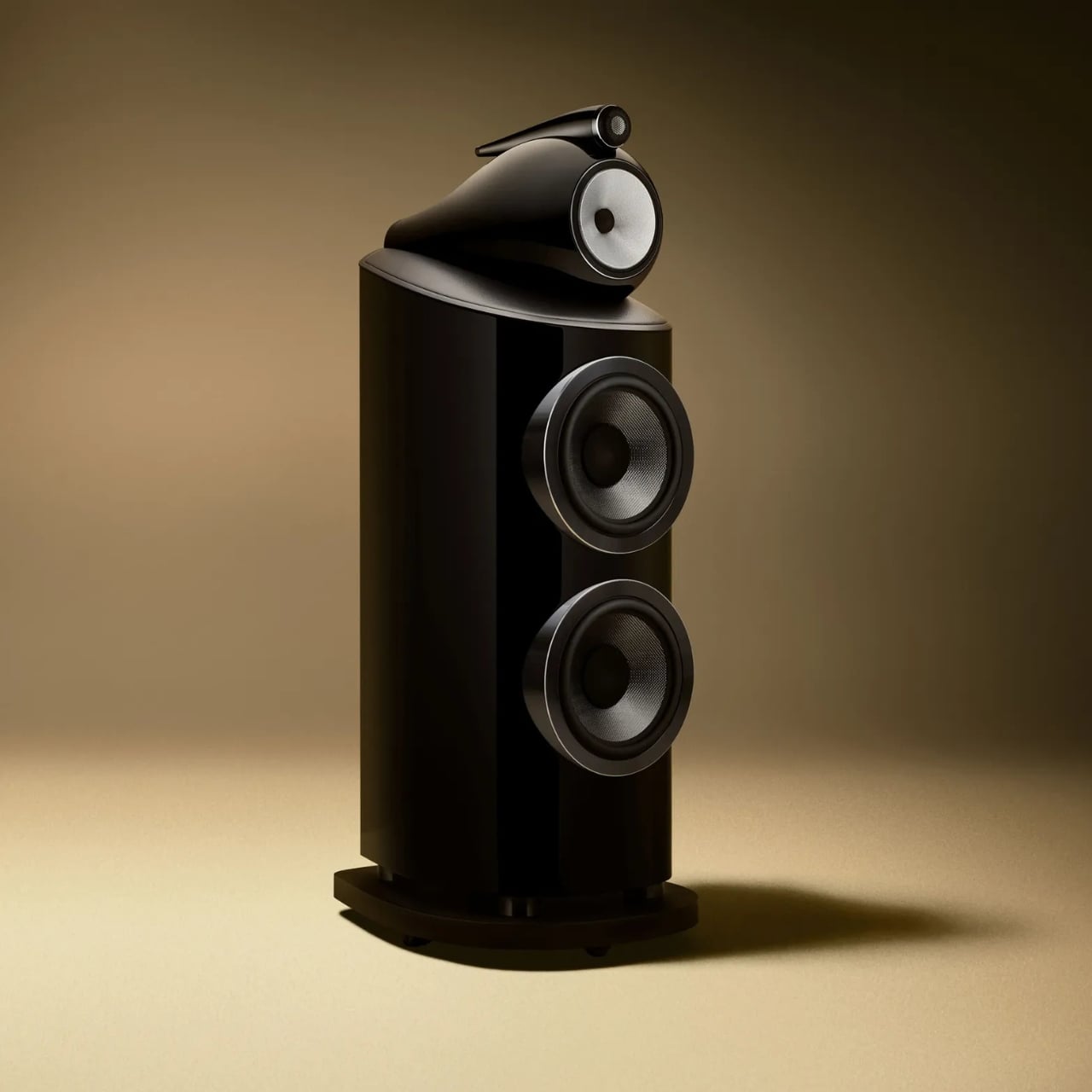
    Most brands celebrate a 60th anniversary with a retrospective book or a limited-edition colorway. Bowers & Wilkins celebrated theirs by unveiling what may genuinely be the most advanced loudspeaker range they have ever made. The 800 Series Diamond D5 arrived with that kind of quiet confidence that doesn’t need fanfare to make its point, even if it was announced to considerable fanfare.

    I’ve always believed that truly great audio equipment occupies a strange place between technology and sculpture. The 800 Series has lived in that space for decades. It’s the kind of speaker you find in professional recording studios around the world, at Skywalker Ranch where teams have mixed and mastered legendary film soundtracks, and also in the living room of the person who just needs the room to sound exactly right. That dual citizenship, professional and deeply personal, tells you everything about what Bowers & Wilkins has been building toward.

    Designer: Bowers & Wilkins

    The D5 is the fifth generation of the Diamond series, and the tagline “60 years in the making” isn’t marketing hyperbole. It’s a mission statement rooted in John Bowers’ original True Sound philosophy: nothing added, nothing taken away. Every generation of 800 Series starts from the same question: what stands in the way of the music? The answers keep evolving. The ambition stays constant.

    The range includes seven models, from the compact 805 D5 stand-mount to the flagship 801 D5 with its twin 10-inch bass drivers. The iconic Turbine Head, that distinctive aluminum sphere housing the midrange driver in complete acoustic isolation from the bass section, remains one of the most recognizable silhouettes in audio design. It was bold when it debuted, and it’s still striking today. It’s been refined here, not rethought, and I think that’s the right call. Some shapes earn the right to stay.

    What’s new in D5 runs much deeper than the surface. The Space Frame Bracing system introduces parallel aluminum rails bolted directly to the rear Matrix cabinet bracing, making the enclosure significantly stiffer and mechanically quieter than its predecessor. A revised aluminum top plate, with thicker ribbing and updated decoupling mounts, better supports the Turbine Head and Solid-Body-Tweeter assemblies. The crossover components have been moved entirely outside the cabinet, mounted on aluminum rails at the rear, which eliminates internal air pressure fluctuations from affecting crossover behavior. As an added benefit, natural convection keeps those components running cooler during extended listening.

    The Diamond Dome tweeter gets a new grille mesh, first developed for the acclaimed 801 D4 Signature, that’s more acoustically transparent while still protecting the dome. The result is better off-axis performance and noticeably improved resolution. Every midrange and bass driver across the range has also been upgraded with lower-distortion motor systems derived from Signature-grade components. That’s not a minor tune-up; that’s serious trickle-down engineering from the very top of the catalog.

    Aesthetically, the D5 introduces four new finishes: Stealth Black, Warm White, Light Walnut, and Dark Walnut. The paint has been upgraded for greater depth and durability, and the design detailing across every surface, from the spine to the plinth to the drive unit pods, has been refined. These are speakers handcrafted in Worthing, UK, and they carry that provenance visibly. Luxurious isn’t too generous a word.

    Where I land on all of this is that the 800 Series Diamond D5 represents something genuinely uncommon in a market crowded with premium pricing and thin justification: a product that earns its position through accumulated expertise and genuine craft. There’s real, demonstrable engineering here, the kind that takes decades to develop, and Bowers & Wilkins isn’t shy about showing their work. The D5 range is scheduled to ship in fall 2026, and the anticipation feels entirely warranted.

    Sixty years of obsessive refinement, applied to a speaker that takes the living room as seriously as a professional studio, will do that. When the engineering is this thorough and the design this considered, the only question left is how loud you want to play it.

    The post Bowers & Wilkins Spent 60 Years on These Speakers. It Shows. first appeared on Yanko Design.
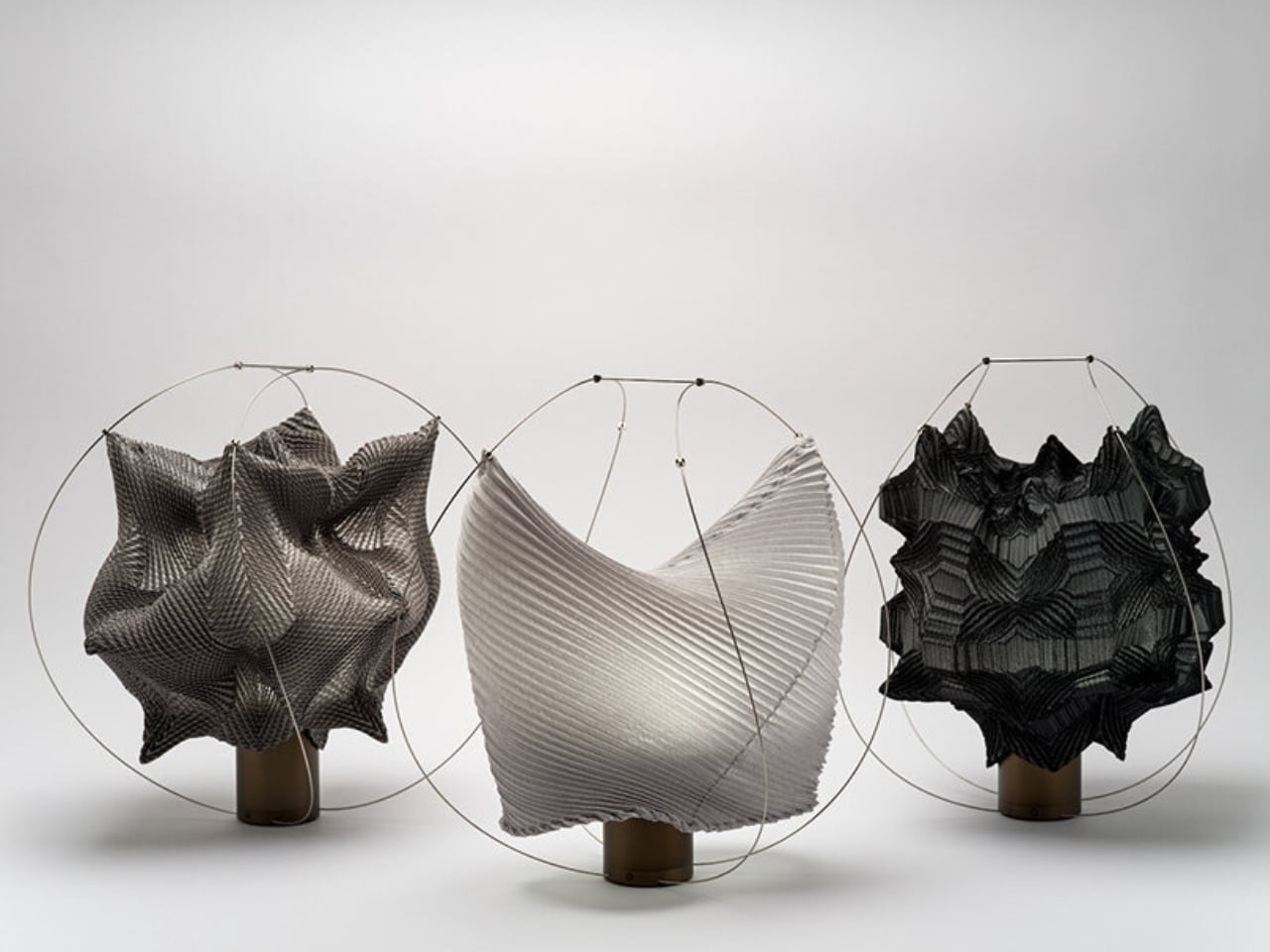
  • Yanko Design yankodesign.com design product-design yanko-design 2026-06-17 20:30
    ↗

    Why the $1,099 MacBook Air M5 beats the MacBook Neo for macOS 27Apple’s 2026 laptop lineup presents a clean, almost philosophical choice. On one side sits the MacBook Neo, a machine built around the powerful idea of...

    Apple’s 2026 laptop lineup presents a clean, almost philosophical choice. On one side sits the MacBook Neo, a machine built around the powerful idea of access. It lowers the barrier to entry, putting a capable Apple notebook within reach of more people than ever. It is a compelling argument rooted in the present, designed to solve an immediate need for a good, affordable computer. For a few hundred dollars more, the M5 MacBook Air makes a different promise, one that is less about immediate savings and more about long-term value and capability.

    For months, that choice felt ambiguous, a simple trade-off between price and power. The arrival of macOS 27, however, brought a new clarity to the decision. Apple’s vision for the next generation of its operating system, with its heavy reliance on sophisticated on-device AI, reframed the entire lineup. The question is no longer just about what you need today, but about which machine is properly equipped for the software you will be using tomorrow. The Neo gets you in the door; the M5 Air gets you a seat at the table.

    Designer: Apple

    The M5 chip is what separates these two machines, and that difference stands out far more now than it did at launch. Apple announced the M5 MacBook Air in March with doubled base storage and modest performance gains, framing it as a solid evolutionary update. The M5 features a 10-core CPU and up to a 10-core GPU, but the real story lives inside those GPU cores. Each one includes a Neural Accelerator, a dedicated AI processing unit that dramatically increases the machine’s ability to handle on-device machine learning tasks. Apple explicitly positioned the M5 Air as capable of delivering up to 4x faster performance for AI tasks than the M4 Air, and up to 9.5x faster than the M1 generation. Those numbers were abstract in March. After WWDC, they became a requirement.

    macOS 27 Golden Gate leans heavily on Apple Intelligence, the company’s suite of AI-powered features that process data locally rather than relying on cloud servers. Visual Intelligence, enhanced Spotlight with conversational AI capabilities, and system-wide machine learning workflows all depend on silicon that can handle the computational load without slowing down everyday tasks. The M5’s architecture was designed specifically to support this kind of workload at scale, making it the baseline for an uncompromised experience. Apple described the M5 Air as capable for Apple Intelligence across apps and system experiences, as well as for running large language models on device in enterprise environments. The Neo, with older silicon, may technically run macOS 27, but the gap between eligibility and capability is the entire value argument for spending more.

    The storage equation also tilts decisively toward the M5 Air. Apple doubled the base configuration to 512GB, up from the 256GB that previous generations started with. That increase addresses one of the most persistent criticisms of Apple’s entry-level pricing strategy, particularly as on-device AI models require significant local storage to function properly. Larger machine learning models, extensive photo libraries processed with AI features, and the general expectation that a 2026 laptop should have breathing room all make 512GB feel like the real starting point. The $100 price increase over the previous M4 Air generation is easier to justify when half of it is effectively the cost of storage you would have upgraded to anyway. The Neo’s storage configuration was not surfaced in available reporting, but if it follows typical budget laptop patterns, it likely sits closer to the older 256GB baseline, which immediately creates friction for users planning to lean into Apple’s AI-forward software vision.

    The M5 Air launched in March to a relatively muted reception, with early reviews treating it as a competent, predictable update rather than a transformational product. That framing was accurate at the time, because the machine’s value was not yet fully apparent. WWDC changed the story by revealing what the M5 was actually designed to do. The real product was never just the laptop; it was the laptop as a vessel for a more intelligent operating system. The Neo, by contrast, remains a strong value for users whose needs are defined by today’s software, but it starts to look underpowered the moment you project forward even a year.

    The MacBook Air M5 is where Apple’s 2026 Mac story begins to feel aligned with its software ambitions. It is not the cheapest way into the ecosystem, but it may be the cheapest way to avoid compromise as macOS 27 arrives this fall. The Neo has its place, but for anyone planning to live on this machine for the next three to five years, the M5 Air is the safer, smarter, and ultimately more cost-effective choice. You can preorder both machines now through Apple’s website, but only one of them feels like it was built for the operating system Apple just announced.

    The post Why the $1,099 MacBook Air M5 beats the MacBook Neo for macOS 27 first appeared on Yanko Design.
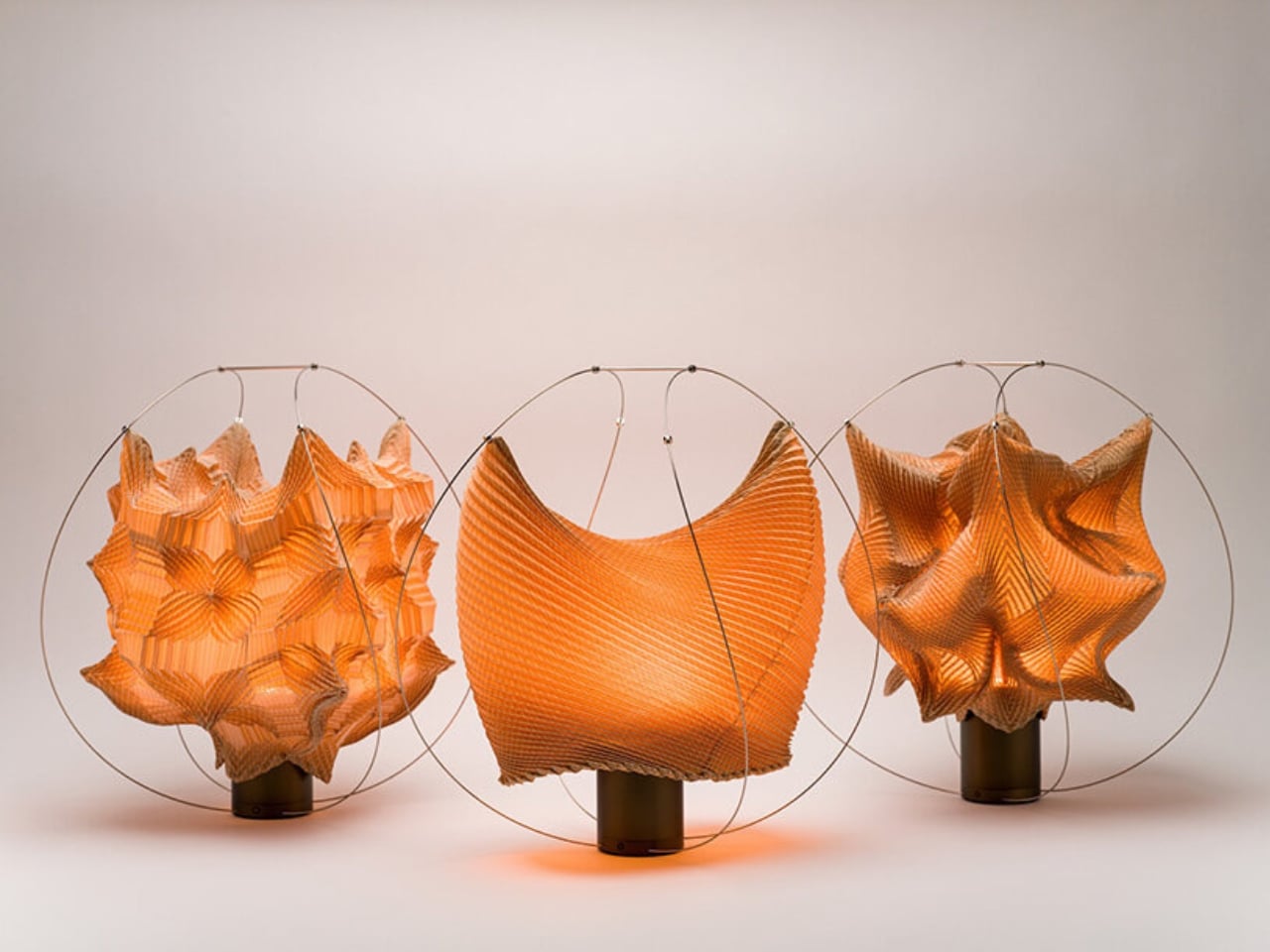
  • Yanko Design yankodesign.com design product-design yanko-design 2026-06-17 19:15
    ↗

    Y2K-inspired Commodore Callback 8020 is a smart dumbphone to reclaim your lifePhone addiction has reached a point where doomscrolling is affecting our cognitive intelligence and already, dumbphones are trying to address this global problem. More often...

    Phone addiction has reached a point where doomscrolling is affecting our cognitive intelligence and already, dumbphones are trying to address this global problem. More often than not, these devices work for a while, eventually triggering the user to ditch them and get back to old ways.

    Commodore, resurrected by YouTuber Peri Fractic (a.k.a. Christian Simpson), brought back the 1982 Commodore 64 keyboard, and the brand looks strong to capture a very niche segment of the nerdy market. Now, under his leadership, there’s yet another gadget that originates from the firsthand experience of the man himself. He made the shift to a dumbphone years ago but found a problem, as these devices took away more functionality than desired. This prompted him to create a “not dumb dumbphone.”

    Designer: Commodore

    The retro-futuristic vibe of the Commodore Callback 8020 flip phone is inspired by the Y2K era of the early 2000s, and the functionality culminating from his own experience. This phone is created to let the technology serve its original intended purpose, that is to serve the users and not compete for their attention 24×7. Designed in collaboration with Finnish company Jolla (venture by former Nokia employees), the smartphone runs a custom version of Sailfish OS (Linux-based platform), which has been in development for over a decade as a viable alternative to Android and iOS. The custom OS can sideload 99 percent of Android apps like WhatsApp, Spotify, Google Maps, QR Code Scanner, and more.

    Callback 8020 is designed with easy modularity in mind, as the user can swap the 1,550 mAh battery or swap out covers. It’ll come with a 3.25-inch (480×640 resolution) main display and a 1.77-inch smaller display on the rear with a red glow, which is inspired by the classic Commodore calculators of the 70s. The device will be powered by the MediaTek Helio G81 SoC and paired with 4GB RAM. Since there’s not going to be a lot of multimedia being stored on the phone, the 64GB internal storage expandable via the included 32GB microSD card should suffice; however, the space can be beefed up to 256GB if desired.

    For music lovers, the phone has FM radio, an audiophile-grade DAC, along with a 3.5mm headphone jack, and a pair of in-ear IEMs. You can listen to pre-loaded albums from artists like LukHash and Anders Enger Jensen to enjoy music out of the box. To get the nostalgic feel going, the device has chiptunes with a full 8-Bit SID music player and SID ringtones. Just that you don’t get bogged down in your free time, and accidentally make the shift back to a normal smartphone to doomscroll, the phone has a collection of Commodore 64 games, which are curated to avoid the addictive nature of modern games. To avoid any distracting notifications on the screen, the phone comes with a dome LED notification system. For times when you need to take pictures, the flip phone has a 48MP rear camera with flash and a selfie camera with autofocus when flipped open.

    Commodore Callback 8020 flip phone is slated for June 30 release, when you can pre-order it in five color options: ProtoPET White, SX Silver, BASIC Beige, Starlight Edition, and Founders Edition. The first three colorways will come for $499.99, while the translucent Starlight Edition will set you back $549.99. The flagship (if I can call it that) PVD gold Founders Edition, having a 24K gold-plated “C=” button, will be priced at $640. Shipping, however, will take a little longer, scheduled for the fourth quarter of the year. People who join the waitlist will get a $50 discount on the smartphone.


    The post Y2K-inspired Commodore Callback 8020 is a smart dumbphone to reclaim your life first appeared on Yanko Design.
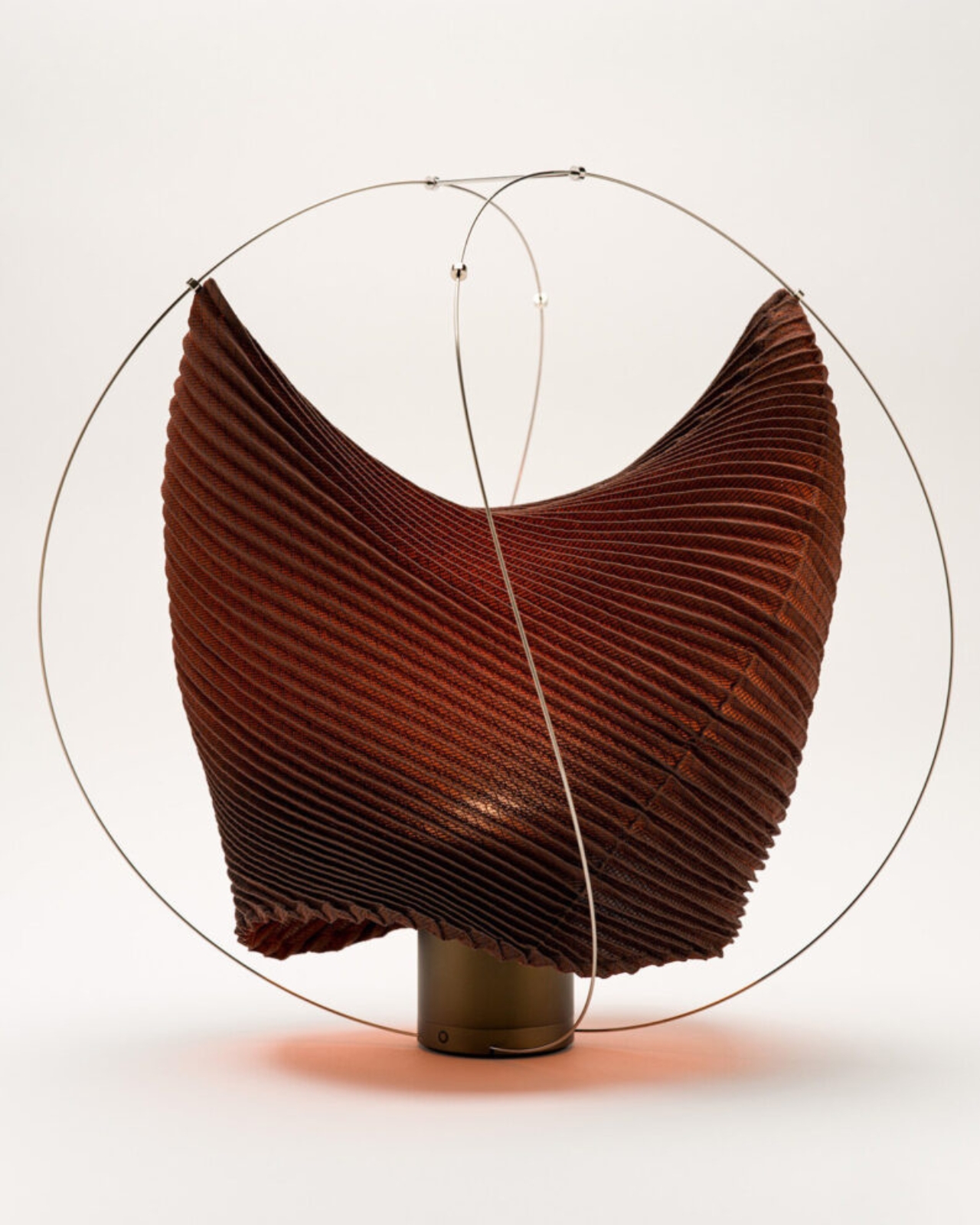
  • Yanko Design yankodesign.com design product-design yanko-design 2026-06-17 17:20
    ↗

    The 2.6mm PopSocket That Didn’t Work in 2012 Is Finally Here for $39Most phone grips stick around because they work, not because they’re easy to live with. The classic PopSocket has spent over a decade as one...

    Most phone grips stick around because they work, not because they’re easy to live with. The classic PopSocket has spent over a decade as one of the most recognizable phone accessories around, but its accordion-style pop-up design has always carried a trade-off. That bump on the back catches on every tight pocket, and for a certain kind of user, that’s been reason enough to never bother.

    The Low-Pro Grip is PopSockets’ answer to that, but it’s also something more personal than a product update. An ultra-thin grip was actually what the brand’s founder envisioned first, before the accordion design ever existed. He taught himself CAD and printed a flat 2.1mm-thick disk as his original prototype, but it never opened up. That failure became the PopSocket. More than a decade later, the thin version finally works.

    Designer: PopSockets (Apple Store)

    At 2.6mm thick when collapsed, it adds almost nothing to the back of an iPhone and stays below the threshold where most grips start catching on tight pockets. The Low-Pro snaps magnetically onto any MagSafe-compatible iPhone case, so it goes on and comes off without adhesive or any ceremony. The mechanism underneath has also been completely rethought, abandoning the multi-ring accordion of the original entirely.

    Instead of the familiar two-step expansion, the Low-Pro uses a single piece of flexible polymer that collapses flat and opens with one motion. What feels different about this approach is the texture. Where competitors rely on interlocking rigid arms that can dig into your fingers during long sessions, the softer polymer makes the Low-Pro more comfortable to hold at any angle, something that only becomes obvious after extended use.

    The stand function has been redesigned, too. Instead of a button acting as the kickstand, an outer metal ring attached by a hinge folds out at any angle to prop the phone in either portrait or landscape orientation. That’s a meaningful step up from grip designs where the stand only works reliably sideways, and it covers the full range of how people use their phones away from a charging dock.

    The magnetic base is strong enough to hold the phone against metal surfaces like a fridge door for hands-free use, and MagSafe wireless charging still works through it, though at reduced speeds. Despite the polymer being tested to withstand 30 lbs of tensile force and cycled open and closed 100,000 times, the Low-Pro is designed to be the PopSocket you can forget is there.

    The Low-Pro Grip is priced at $39.99 and is launching exclusively at Apple in six colors, expanding to Best Buy and Target on July 12, and to all other retailers on July 29, when the full lineup of 12 colors will be available. It’s compatible with any MagSafe-compatible iPhone case and works with all existing PopSockets mounts, so it fits into an existing MagSafe setup without needing anything else.

    The post The 2.6mm PopSocket That Didn’t Work in 2012 Is Finally Here for $39 first appeared on Yanko Design.
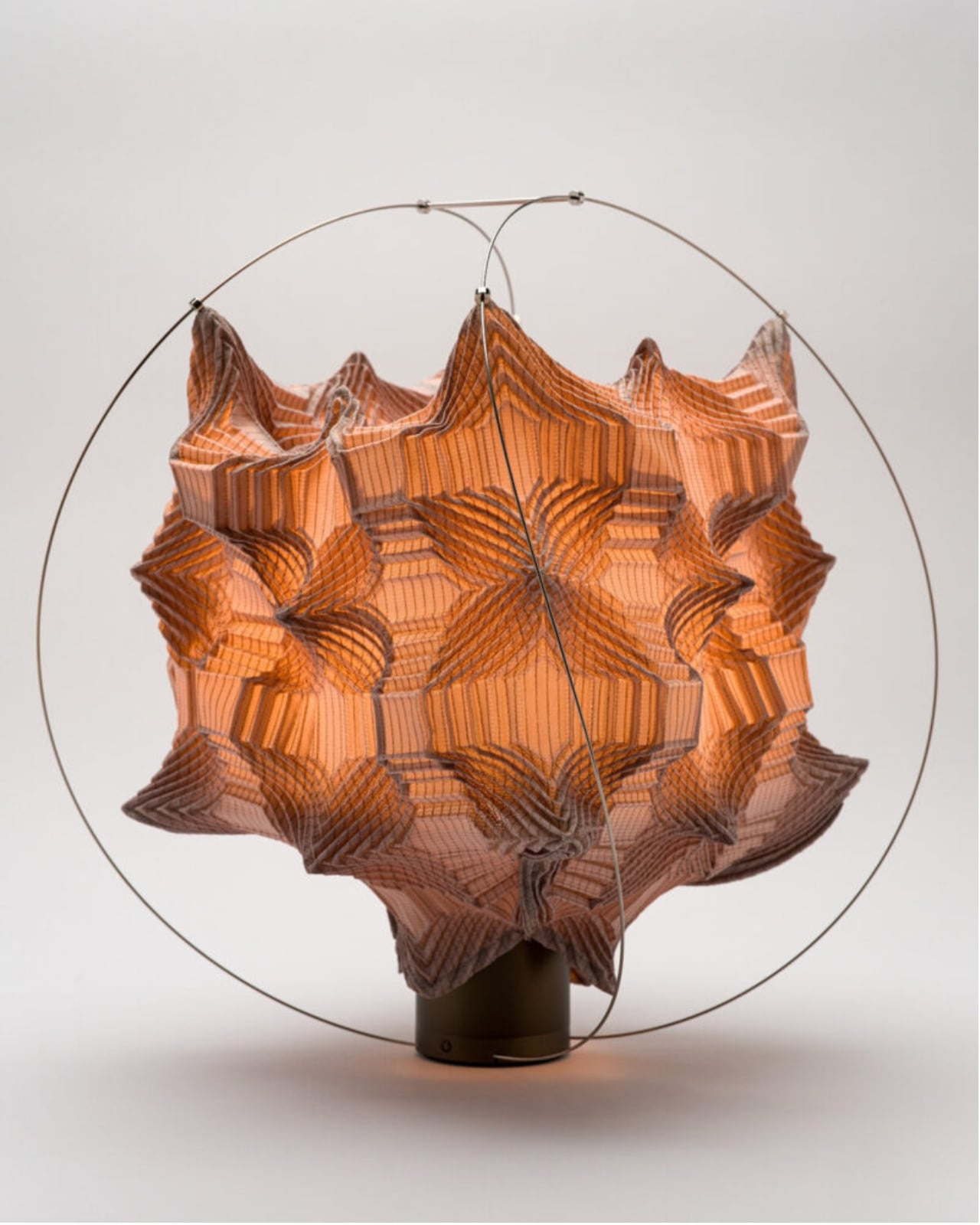
  • Yanko Design yankodesign.com design product-design yanko-design 2026-06-17 16:20
    ↗

    The Urn With 4 Screens Showing Moving Images of the Person You LostCremation urns have existed for thousands of years, but their design language has barely moved. They tend toward the ceremonial and the generic, pottery shapes...

    Cremation urns have existed for thousands of years, but their design language has barely moved. They tend toward the ceremonial and the generic, pottery shapes lifted from antiquity or polished boxes that draw from the visual vocabulary of caskets. The underlying assumption across nearly all of them is the same: that the vessel marks an ending. That what’s inside has arrived, not departed.

    The Transcendence Urn takes a different philosophical position entirely. It belongs to a series of objects conceived as temporary dwellings for the remains of loved ones, held in anticipation of what comes next. The form it takes to express this idea is strikingly futuristic, almost sci-fi in its ambition, built on the premise that the urn theoretically facilitates the occupant’s journey toward a higher state of existence rather than simply containing what was left behind.

    Designer: Michael Jantzen

    The structure stands 25 inches tall and 12 inches wide, built from painted wood in a form that seems to reach upward. Stepped tiers stack toward the top, followed by a gold sphere that crowns the whole structure and is removable from its own tiered plinth. The lower body radiates outward in layered chevron forms, pointing downward like fins, giving the whole piece a sense of directed energy, as if something inside it is moving rather than resting.

    The four panel spaces near the top of the urn are where the personal dimension takes shape. Owners can fill them with photographs selected from a curated series of symbolically resonant images, or with their own. The possibilities run a wide emotional and metaphysical range: images of open sky and drifting clouds, a sunlit hillside, a field of orange flowers, a galaxy, fire, storm, and lightning are all part of the symbolic vocabulary this design draws from. Of course, photos of the actual person can go there, too.

    That choice matters more than it might first appear. Most memorial objects leave the bereaved as passive recipients of a fixed form. This one asks them to make decisions about meaning, to assign symbols, and to decide what the person they lost should be surrounded by. It’s a quiet but real kind of agency during a period when very little feels controllable.

    A digital variant of the Transcendence Urn replaces the four static panels with four screens displaying moving images and sounds, turning the object from a still memorial into something more like a living one. That version shifts the experience even further, letting the presence of the deceased linger in a more active, dynamic way rather than being fixed to a single still photograph chosen on a single day of grief.

    It’s also worth noting what the object looks like on a shelf or a table. It doesn’t look like an urn. It looks like a piece of speculative design, the kind of object that invites questions before anyone knows what it holds. That unfamiliarity carries its own kind of comfort: it doesn’t announce loss the same way a traditional vessel does, and it doesn’t ask the viewer to feel a particular thing on sight.

    The post The Urn With 4 Screens Showing Moving Images of the Person You Lost first appeared on Yanko Design.
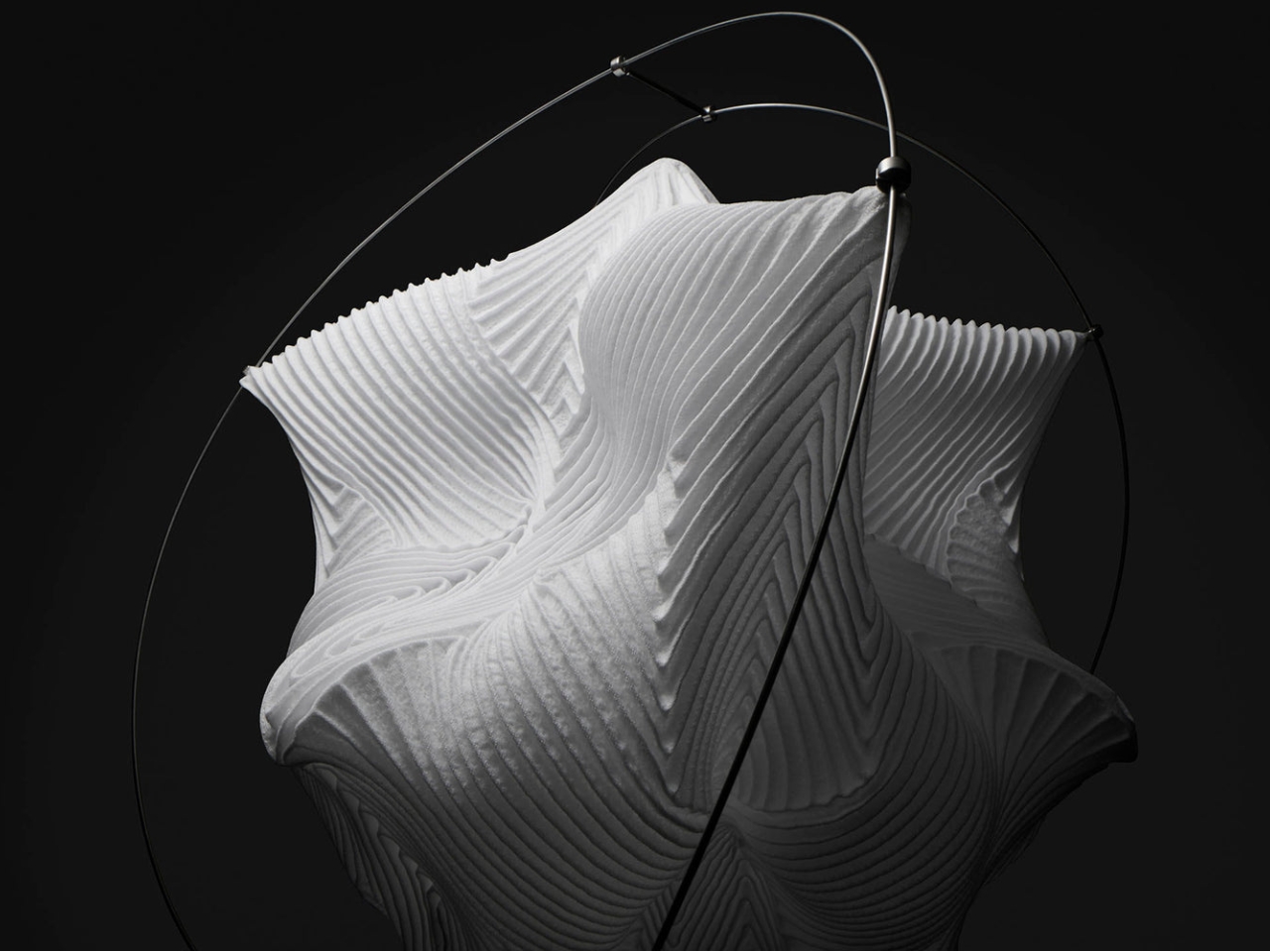
  • Yanko Design yankodesign.com design product-design yanko-design 2026-06-17 15:20
    ↗

    Nvidia-powered Viture Helix AI safety glasses give workers real-time guidance and security warningsSmart glasses are having their time in the sun. Besides the fashion industry, there is a swing in the air to make things easier and...

    Smart glasses are having their time in the sun. Besides the fashion industry, there is a swing in the air to make things easier and interesting for the workforce with the use of AI. Primary evidence was the Innovative Eyewear’s Lucyd Armor, a smart safety eyewear designed to meet all prerequisite standards for workplace safety. Now, at the ongoing Augmented World Expo (AWE) 2026, Viture has introduced Helix, the first pair of AI safety glasses built on Nvidia’s XR AI solution.

    The safety eyewear powered by AI is engineered in accordance with industrial safety standards. After its certification, which is in progress at the time of writing, the eyewear will be safe to use in labs, factories, and other regulated workflows. With the use of Nvidia’s XR AI, Helix will stream a first-person perspective of the wearer – what they see or hear – and feed it to a multimodal AI in real time, enabling “AI-assisted coaching, compliance, and full-provenance capture of every shift worn.”

    Designer: Viture

    In industrial, scientific, and clinical use cases – that Viture is targeting with its Nvidia collaboration – the workforce has to ensure a lot more than their regular tasks. For instance, it’s imperative to note that the machine is locked before maintenance or the correct setting of the pressure gauge in the oxygen tank. Using the Helix smart glasses, the extras could be taken care of. The AI-powered glasses can watch what a worker sees and, in real time, provide live guidance and safety warnings. It can automatically record everything that happens during the job and provide AI-assisted input to help the wearer manage the workflow better.

    Helix is Viture’s entry into AI. It is a pair of fully transparent industrial-grade glasses without a display. Only input in live recording and voice. The glasses arrive with a 12MP first-person camera and an array of four microphones. Alongside the prerequisites for seeing and listening, the eyewear also features stereo speakers for sound, Wi-Fi, and Bluetooth 5.3 for connectivity. The glasses rely on a small battery that runs for slightly above 60 minutes on a full charge.

    Viture ensures that Helix is completely independent of connectivity points and cables. It runs standalone without pairing to a companion phone to get the job done, furthering its useful capabilities for workers. Its field lenses are swappable without tools. According to press information, Viture and Nvidia worked closely over the past year, improving AI-assisted workflows to offer purposeful assistance in real-life applications.

    Helix will be unveiled via a live demonstration held at the NVIDIA/Dell meeting room at AWE 2026, but the eyewear is likely to debut earliest at the beginning of next year. Viture is confident of meeting the timeline and is therefore taking early reservations for the device on its website for a $599 reservation price.

    The post Nvidia-powered Viture Helix AI safety glasses give workers real-time guidance and security warnings first appeared on Yanko Design.
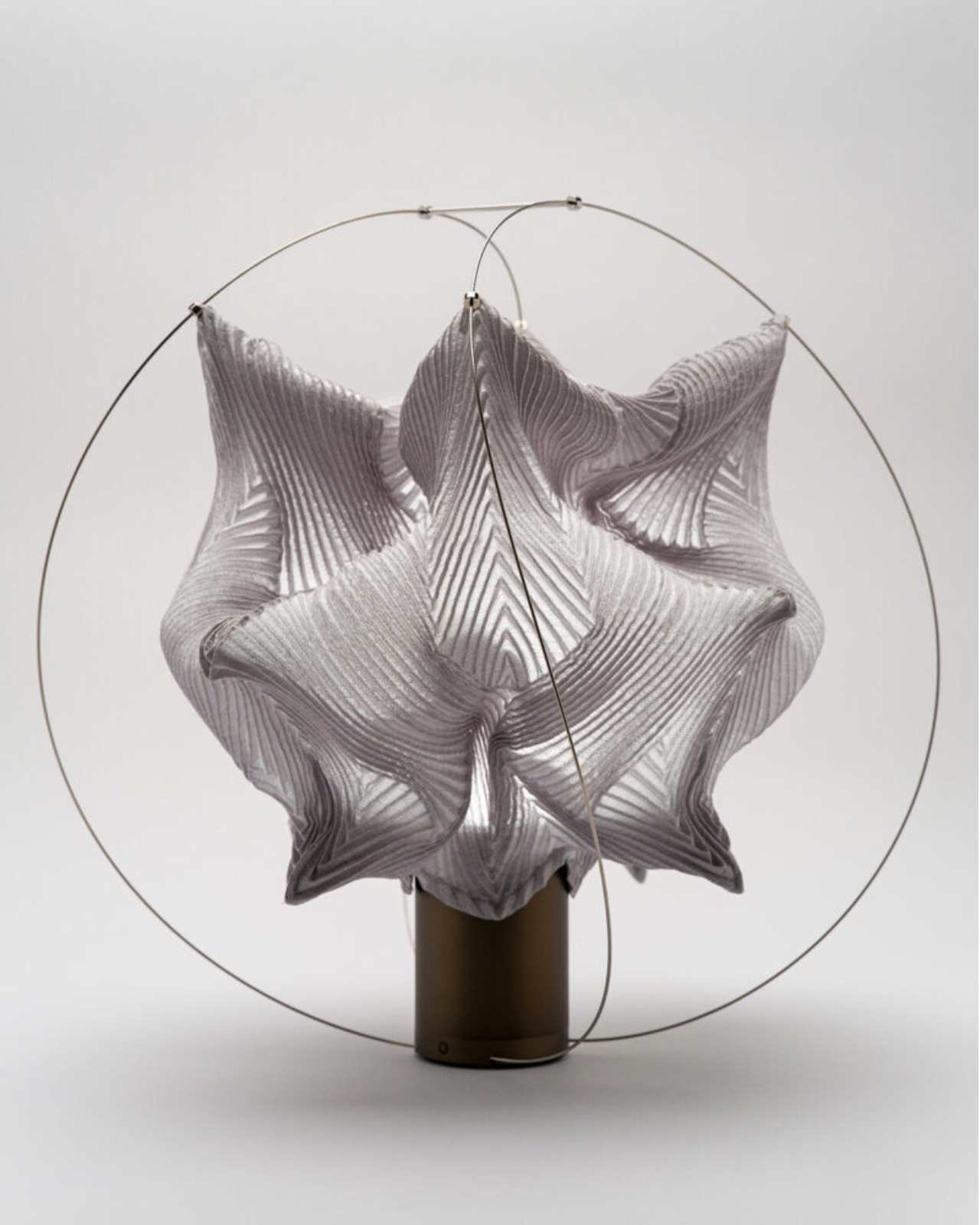
  • End of feed
Maibook — your private personalized AI community
  • rcanand.com
  • mlaillc.com
  • @rcanand (X)
  • LinkedIn
  • Feedback
  • Credits