• maiweb v0.1.0
  • ★
  • Feedback

John Philip Jones

active · last success 2026-08-03 23:41

Visit site ↗ · Feed ↗

  • John Philip Jones youtube.com channel tutorial video youtube 2026-08-03 09:00

    ↗

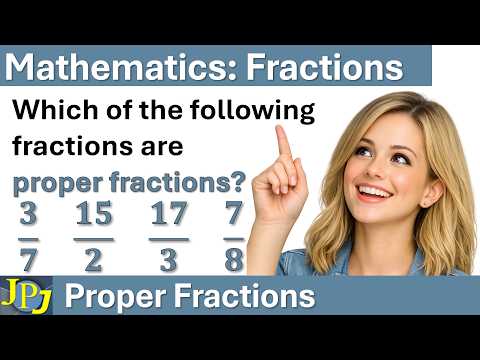
    Learn how to quickly identify proper fractions with clear examples and simple rules. In this lesson, we break down what makes a fraction proper. Perfect for KS3, GCSE Foundation, and anyone wanting to strengthen their fraction skills. #JohnPhilipJones

    ▶ Watch on YouTube Opens in a new tab
    Learn how to quickly identify proper fractions with clear examples and simple rules. In this lesson, we break down what makes a fraction proper. Perfect for KS3, GCSE Foundation, and anyone wanting to strengthen their fraction skills. #JohnPhilipJones
  • John Philip Jones youtube.com channel tutorial video youtube 2026-07-29 09:00

    ↗

    Transform your text instantly in Microsoft Word using the Shift + F3 shortcut. This quick trick lets you cycle through UPPERCASE, lowercase, and Title Case without retyping a thing. Perfect for students, teachers, and anyone who wants to edit faster and work smarter in Word....

    ▶ Watch on YouTube Opens in a new tab
    Transform your text instantly in Microsoft Word using the Shift + F3 shortcut. This quick trick lets you cycle through UPPERCASE, lowercase, and Title Case without retyping a thing. Perfect for students, teachers, and anyone who wants to edit faster and work smarter in Word. In this video, you’ll learn: How Shift + F3 cycles through text case When to use uppercase, lowercase, and Title Case A simple workflow to speed up your formatting A must‑know shortcut for anyone using Microsoft Word. #JohnPhilipJones
  • John Philip Jones youtube.com channel tutorial video youtube 2026-07-27 10:41

    ↗

    Learn how to use a factor tree to find the Highest Common Factor (HCF) and then simplify any fraction to its lowest terms. In this step‑by‑step walkthrough, we break down each number into its prime factors, identify the common factors, and use them to reduce the fraction...

    ▶ Watch on YouTube Opens in a new tab
    Learn how to use a factor tree to find the Highest Common Factor (HCF) and then simplify any fraction to its lowest terms. In this step‑by‑step walkthrough, we break down each number into its prime factors, identify the common factors, and use them to reduce the fraction cleanly and confidently. Perfect for GCSE maths revision, homework support, or anyone wanting to strengthen their number skills. By the end of the video, you’ll know exactly how to: Build a factor tree for any integer Find the HCF using prime factors Simplify fractions quickly and accurately If you’re learning fractions, revising for exams, or teaching this method, this video gives you a clear, reliable approach you can use every time.#JohnPhilipJones
  • John Philip Jones youtube.com channel tutorial video youtube 2026-07-22 09:00

    ↗

    Upgrade your Microsoft Word documents in seconds by learning all six AutoFormat line shortcuts. In this tutorial, you’ll see how typing just three characters and pressing Enter instantly creates professional‑looking dividers that make your reports, worksheets, and notes...

    ▶ Watch on YouTube Opens in a new tab
    Upgrade your Microsoft Word documents in seconds by learning all six AutoFormat line shortcuts. In this tutorial, you’ll see how typing just three characters and pressing Enter instantly creates professional‑looking dividers that make your reports, worksheets, and notes easier to read. This video demonstrates every shortcut and the line style it produces: Three hash symbols: ### + Enter → Bold grid‑style line Three underscores: ___ + Enter → Thick solid line Three hyphens: --- + Enter → Thin solid line Three equal signs: === + Enter → Double line Three asterisks: *** + Enter → Dotted line Three tildes: ~~~ + Enter → Wavy line You’ll learn how they can replace slow menu‑based formatting. Perfect for teachers, students, office professionals, and anyone who wants cleaner, more organised Word documents. By the end, you’ll be able to add polished section breaks without touching the Ribbon—just type, press Enter, and watch your layout transform.#johnphilipjones
  • John Philip Jones youtube.com channel tutorial video youtube 2026-07-20 15:00

    ↗

    Learn how to simplify the fraction 33/99 step‑by‑step using a clear, easy‑to‑follow factor tree method. This short tutorial shows you how to break each number into its prime factors, identify the common factors, and reduce the fraction to its lowest terms with confidence....

    ▶ Watch on YouTube Opens in a new tab
    Learn how to simplify the fraction 33/99 step‑by‑step using a clear, easy‑to‑follow factor tree method. This short tutorial shows you how to break each number into its prime factors, identify the common factors, and reduce the fraction to its lowest terms with confidence. Perfect for GCSE revision, classroom teaching, or quick maths practice. You’ll see: How to build a simple factor tree for 33 and 99 How to spot the Highest Common Factor (HCF) How to divide both numerator and denominator correctly The final simplified fraction and why it works Ideal for students, teachers, and anyone wanting a clean, visual method for simplifying fractions. #JohnPhilipJones
  • John Philip Jones youtube.com channel tutorial video youtube 2026-07-13 15:00

    ↗

    Learn how to simplify the fraction 18/90 quickly and confidently by using the Highest Common Factor (HCF). In this short maths tutorial, I walk you through the factors of each number, identify the HCF, and reduce the fraction to its lowest terms step by step. You’ll see...

    ▶ Watch on YouTube Opens in a new tab
    Learn how to simplify the fraction 18/90 quickly and confidently by using the Highest Common Factor (HCF). In this short maths tutorial, I walk you through the factors of each number, identify the HCF, and reduce the fraction to its lowest terms step by step. You’ll see exactly why the HCF is such a powerful tool for simplifying fractions and how it helps turn 18/90 into the much simpler 1/5. Perfect for GCSE students, teachers, and anyone wanting to strengthen their fraction‑simplifying skills. What you’ll learn: How to list factors of a number How to find the HCF How to simplify a fraction using the HCF Why 18/90 becomes 1/5 If you found this helpful, check out my other quick maths tutorials for more clear, simple explanations.#JohnPhilipJones
  • John Philip Jones youtube.com channel tutorial video youtube 2026-07-12 09:00

    ↗

    Struggling to fit your entire Word document onto a single page? In this quick tutorial, I’ll show you a fast and reliable way to shrink your content so everything fits neatly on one page.#JohnPhilipJones

    ▶ Watch on YouTube Opens in a new tab
    Struggling to fit your entire Word document onto a single page? In this quick tutorial, I’ll show you a fast and reliable way to shrink your content so everything fits neatly on one page.#JohnPhilipJones
  • John Philip Jones youtube.com channel tutorial video youtube 2026-07-08 15:00

    ↗

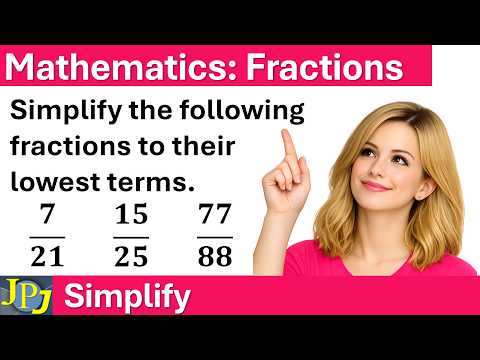
    Learn how to simplify fractions step‑by‑step using three clear examples: 7/21, 15/25, and 77/88. Three fully worked examples you can follow at home or in class Perfect for KS2, KS3, GCSE revision, or anyone wanting to build confidence with fractions. #JohnPhilipJones

    ▶ Watch on YouTube Opens in a new tab
    Learn how to simplify fractions step‑by‑step using three clear examples: 7/21, 15/25, and 77/88. Three fully worked examples you can follow at home or in class Perfect for KS2, KS3, GCSE revision, or anyone wanting to build confidence with fractions. #JohnPhilipJones
  • John Philip Jones youtube.com channel tutorial video youtube 2026-07-06 15:00

    ↗

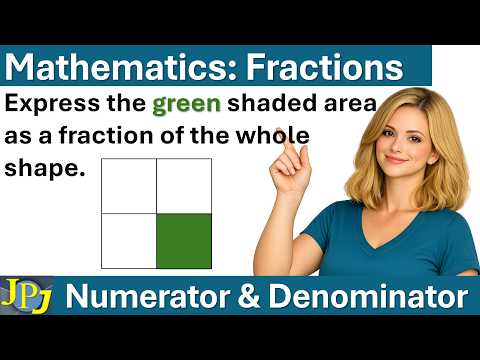
    In this lesson, we look at a shape divided into equal parts and identify the fraction that is shaded green. Learners first decide the numerator by counting the shaded sections, then find the denominator by counting all the equal parts in the whole shape. Finally, the fraction...

    ▶ Watch on YouTube Opens in a new tab
    In this lesson, we look at a shape divided into equal parts and identify the fraction that is shaded green. Learners first decide the numerator by counting the shaded sections, then find the denominator by counting all the equal parts in the whole shape. Finally, the fraction is simplified to its lowest terms, reinforcing how to reduce fractions accurately and confidently. This video supports key fraction skills, including: Identifying the numerator Identifying the denominator Writing fractions from shapes Simplifying to lowest terms Ideal for KS2, KS3, and GCSE foundation learners who need a clear, visual explanation of how fractions are built and simplified.#JohnPhilipJones
  • John Philip Jones youtube.com channel tutorial video youtube 2026-07-05 09:00

    ↗

    Learn how to translate text instantly between languages using Microsoft Word. This quick tutorial shows you exactly where to find Word’s built‑in translation tools and how to use them to convert selected text or entire documents in just a few clicks. Ideal for students,...

    ▶ Watch on YouTube Opens in a new tab
    Learn how to translate text instantly between languages using Microsoft Word. This quick tutorial shows you exactly where to find Word’s built‑in translation tools and how to use them to convert selected text or entire documents in just a few clicks. Ideal for students, teachers, and anyone working with multilingual content. In this video, you’ll learn: How to open and use the Translator in Word How to translate text between any two languages How to translate full documents automatically Whether you’re working with French, Spanish, Arabic, Chinese, or any other language, Word makes translation fast and simple. #JohnPhilipJones
  • John Philip Jones youtube.com channel tutorial video youtube 2026-07-03 15:00

    ↗

    A clear introduction to how fractions are built from shapes. Pupils look at the shaded parts of the square to decide the numerator and count all the equal parts to find the denominator. This exercise helps learners understand that a fraction shows: the numerator — how many...

    ▶ Watch on YouTube Opens in a new tab
    A clear introduction to how fractions are built from shapes. Pupils look at the shaded parts of the square to decide the numerator and count all the equal parts to find the denominator. This exercise helps learners understand that a fraction shows: the numerator — how many parts are shaded the denominator — how many equal parts the whole is divided into Perfect for reinforcing the idea that every fraction comes from comparing the shaded parts to the whole shape. #JohnPhilipJones
  • John Philip Jones youtube.com channel tutorial video youtube 2026-07-01 15:00

    ↗

    Fractions Made Easy: Solve 7/11 + 2/33 In this quick and clear lesson, we add the fractions 7/11 and 2/33 by finding a common denominator and then following some simple steps to arrive at the answer. Perfect for KS3 learners, GCSE revision, or anyone wanting to build...

    ▶ Watch on YouTube Opens in a new tab
    Fractions Made Easy: Solve 7/11 + 2/33 In this quick and clear lesson, we add the fractions 7/11 and 2/33 by finding a common denominator and then following some simple steps to arrive at the answer. Perfect for KS3 learners, GCSE revision, or anyone wanting to build confidence with fraction skills. #JohnPhilipJones
  • John Philip Jones youtube.com channel tutorial video youtube 2026-06-29 15:00

    ↗

    Learn how to add fractions with different denominators using a simple, step‑by‑step method. In this lesson, we take the example 7/10 + 1/4 and show exactly how to: find the common denominator convert each fraction add the numerators correctly This video is ideal for KS3...

    ▶ Watch on YouTube Opens in a new tab
    Learn how to add fractions with different denominators using a simple, step‑by‑step method. In this lesson, we take the example 7/10 + 1/4 and show exactly how to: find the common denominator convert each fraction add the numerators correctly This video is ideal for KS3 learners, GCSE revision, or anyone who wants to build confidence with fraction operations. The method is clear, logical, and easy to follow. #JohnPhilipJones
  • John Philip Jones youtube.com channel tutorial video youtube 2026-06-28 09:00

    ↗

    Speed up your formatting in Microsoft Word with this quick keyboard shortcut. In this short tip, you’ll learn how to add a bullet point instantly—no menus, no mouse, just one simple key combo. It’s perfect for notes, outlines, lesson plans, and fast list‑making. In under a...

    ▶ Watch on YouTube Opens in a new tab
    Speed up your formatting in Microsoft Word with this quick keyboard shortcut. In this short tip, you’ll learn how to add a bullet point instantly—no menus, no mouse, just one simple key combo. It’s perfect for notes, outlines, lesson plans, and fast list‑making. In under a minute, you’ll see: How the shortcut works When to use it for faster formatting A real example of bullets appearing instantly #JohnPhilipJones
  • John Philip Jones youtube.com channel tutorial video youtube 2026-06-26 15:00

    ↗

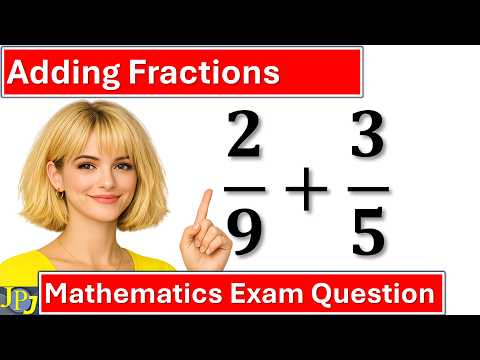
    Struggling with adding fractions? In this quick and clear lesson, we break down 2/9 + 3/5 step by step using the common denominator method. Perfect for KS3, GCSE Maths, or anyone wanting to build confidence with fractions. You’ll learn: How to find the lowest common...

    ▶ Watch on YouTube Opens in a new tab
    Struggling with adding fractions? In this quick and clear lesson, we break down 2/9 + 3/5 step by step using the common denominator method. Perfect for KS3, GCSE Maths, or anyone wanting to build confidence with fractions. You’ll learn: How to find the lowest common denominator How to convert fractions to equivalent forms How to add them accurately Why the final answer is 37/45 This method works for any fraction addition question — simple, fast, and easy to remember. Ideal for revision, homework help, or classroom learning.#JohnPhilipJones
  • John Philip Jones youtube.com channel tutorial video youtube 2026-06-24 15:00

    ↗

    GCSE Fraction Subtraction: 7/11 − 2/33 Learn how to subtract fractions quickly and confidently by finding a common denominator and simplifying step by step. In this GCSE‑friendly walkthrough, we break down the method clearly so you can see exactly how 7/11 and 2/33 fit...

    ▶ Watch on YouTube Opens in a new tab
    GCSE Fraction Subtraction: 7/11 − 2/33 Learn how to subtract fractions quickly and confidently by finding a common denominator and simplifying step by step. In this GCSE‑friendly walkthrough, we break down the method clearly so you can see exactly how 7/11 and 2/33 fit together, how to align the denominators. Perfect for revision, homework support, or brushing up on essential fraction skills. #JohnPhilipJones
  • John Philip Jones youtube.com channel tutorial video youtube 2026-06-23 15:00

    ↗

    See how to multiply 45 × 11 in seconds using one of the quickest mental‑maths shortcuts around. This fast example shows you exactly how the digit‑sum trick works, turning what looks like a long multiplication into a mental calculation. Perfect for GCSE revision, speed‑maths...

    ▶ Watch on YouTube Opens in a new tab
    See how to multiply 45 × 11 in seconds using one of the quickest mental‑maths shortcuts around. This fast example shows you exactly how the digit‑sum trick works, turning what looks like a long multiplication into a mental calculation. Perfect for GCSE revision, speed‑maths practice, and anyone who loves a clever number hack. Do ×11 the fast way — and try it on your own numbers next. #JohnPhilipJones
  • John Philip Jones youtube.com channel tutorial video youtube 2026-06-22 15:00

    ↗

    Learn how to subtract the fractions 7/10 and 1/4 step by step. In this quick lesson, we find a common denominator, and work through the subtraction clearly to reach the final simplified answer of 9/20 Ideal for KS3, GCSE revision, or anyone wanting to build confidence with...

    ▶ Watch on YouTube Opens in a new tab
    Learn how to subtract the fractions 7/10 and 1/4 step by step. In this quick lesson, we find a common denominator, and work through the subtraction clearly to reach the final simplified answer of 9/20 Ideal for KS3, GCSE revision, or anyone wanting to build confidence with fraction skills.#JohnPhilipJones #JohnPhilipJones
  • John Philip Jones youtube.com channel tutorial video youtube 2026-06-21 09:00

    ↗

    Reorder your writing in seconds. In this quick Microsoft Word tip, you’ll learn the simple keyboard shortcut that lets you move an entire paragraph up or down without dragging, copying, or cutting. It’s fast, precise, and perfect for editing essays, reports, and long...

    ▶ Watch on YouTube Opens in a new tab
    Reorder your writing in seconds. In this quick Microsoft Word tip, you’ll learn the simple keyboard shortcut that lets you move an entire paragraph up or down without dragging, copying, or cutting. It’s fast, precise, and perfect for editing essays, reports, and long documents. In under a minute, you’ll see: How the shortcut works When to use it for faster editing A real example of paragraphs jumping into place If you want smoother, smarter Word workflows, this shortcut will become one you use every day. #JohnPhilipJones
  • John Philip Jones youtube.com channel tutorial video youtube 2026-06-19 15:00

    ↗

    Learn how to subtract fractions with different denominators in this quick, clear walkthrough. We take the example 7/9 − 2/5 and show every step. This lesson is ideal for KS3, GCSE revision, or anyone who wants to build confidence with fraction operations. The method is...

    ▶ Watch on YouTube Opens in a new tab
    Learn how to subtract fractions with different denominators in this quick, clear walkthrough. We take the example 7/9 − 2/5 and show every step. This lesson is ideal for KS3, GCSE revision, or anyone who wants to build confidence with fraction operations. The method is simple, structured, and easy to follow. #JohnPhilipJones
  • John Philip Jones youtube.com channel tutorial video youtube 2026-06-17 15:00

    ↗

    Struggling with harder probability questions? In this video, we break down a multi‑step probability problem involving fractions, algebra, and logical reasoning. Students learn how to convert probabilities into numbers of marbles, set up an equation, and solve for the total...

    ▶ Watch on YouTube Opens in a new tab
    Struggling with harder probability questions? In this video, we break down a multi‑step probability problem involving fractions, algebra, and logical reasoning. Students learn how to convert probabilities into numbers of marbles, set up an equation, and solve for the total number of items in the bag. We walk through each step clearly: Converting probabilities into fractional parts of a total Finding the missing probability Setting up an equation using a comparison condition Solving for the total number of marbles Calculating each colour using the total By the end, learners will understand how to handle probability problems where totals are unknown and conditions link the quantities together. Perfect for KS3, KS4, GCSE revision, and classroom demonstrations.#JohnPhilipJones
  • John Philip Jones youtube.com channel tutorial video youtube 2026-06-16 15:00

    ↗

    Unlock the fastest way to multiply any 2‑digit number by 11 — no calculator, no stress, just pure maths magic. In this quick lesson, you’ll learn the simple digit‑sum trick that turns a “hard” calculation into a one‑step mental shortcut. Perfect for GCSE students, speed‑maths...

    ▶ Watch on YouTube Opens in a new tab
    Unlock the fastest way to multiply any 2‑digit number by 11 — no calculator, no stress, just pure maths magic. In this quick lesson, you’ll learn the simple digit‑sum trick that turns a “hard” calculation into a one‑step mental shortcut. Perfect for GCSE students, speed‑maths fans, and anyone who loves a clever number hack. By the end, you’ll be doing ×11 in your head in seconds.#JohnPhilipJones
  • John Philip Jones youtube.com channel tutorial video youtube 2026-06-15 15:00

    ↗

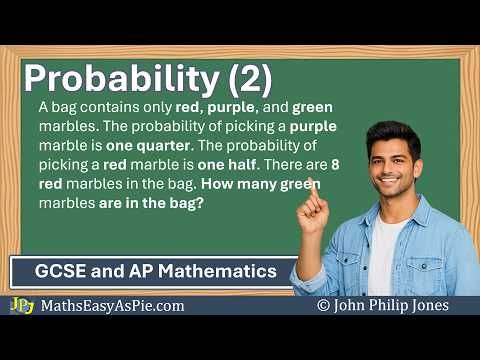
    In this short lesson, we solve a fun probability puzzle about red, purple, and green marbles in a bag. You’ll see how to use fraction probabilities to find the total number of marbles, then work out how many green marbles there must be step by step. Perfect for revising basic...

    ▶ Watch on YouTube Opens in a new tab
    In this short lesson, we solve a fun probability puzzle about red, purple, and green marbles in a bag. You’ll see how to use fraction probabilities to find the total number of marbles, then work out how many green marbles there must be step by step. Perfect for revising basic probability, fractions, and worded maths problems. What you’ll learn: Using probabilities to find missing information Adding fractions so they make a whole (1) Linking probability and number of items in a bag Great for: KS3/KS4 students, teachers, and anyone brushing up on probability. #maths #probability #fractions #wordproblems #GCSE #JohnPhilipJones
  • John Philip Jones youtube.com channel tutorial video youtube 2026-06-14 09:00

    ↗

    Match formatting instantly in Microsoft Word using the Format Painter. This quick tutorial shows you how to copy fonts, colours, sizes, and styles from one piece of text to another with a single click. You’ll learn the difference between single‑use and multi‑use Format...

    ▶ Watch on YouTube Opens in a new tab
    Match formatting instantly in Microsoft Word using the Format Painter. This quick tutorial shows you how to copy fonts, colours, sizes, and styles from one piece of text to another with a single click. You’ll learn the difference between single‑use and multi‑use Format Painter, how to fix inconsistent formatting, and how to speed up your document‑cleaning workflow. Perfect for students, teachers, and anyone who wants cleaner, more professional‑looking documents. #JohnPhilipJones
  • John Philip Jones youtube.com channel tutorial video youtube 2026-06-12 15:00

    ↗

    #johnphilipjones Unlock this classic probability puzzle step by step! In this lesson, we use simple fractions and clear reasoning to work out how many yellow counters are in a bag when we know the probabilities of picking blue and green. Perfect for KS3, GCSE Foundation, and...

    ▶ Watch on YouTube Opens in a new tab
    #johnphilipjones Unlock this classic probability puzzle step by step! In this lesson, we use simple fractions and clear reasoning to work out how many yellow counters are in a bag when we know the probabilities of picking blue and green. Perfect for KS3, GCSE Foundation, and anyone practising probability basics. You’ll learn: How to use probability fractions to find missing values How total probability adds up to 1 How to link probabilities to actual numbers of counters How to solve the full problem with clear, logical steps This video is ideal for students, teachers, and anyone who wants a quick, confidence‑boosting walkthrough of probability.
  • John Philip Jones youtube.com channel tutorial video youtube 2026-06-10 15:00

    ↗

    In this video, we solve for three connected angles—ACE, DCB, and ECB—using straight‑line angle rules and simple algebra. Students often get stuck by assuming something that isn’t stated in the diagram, so we break the whole process down clearly and show why x = 20° is the...

    ▶ Watch on YouTube Opens in a new tab
    In this video, we solve for three connected angles—ACE, DCB, and ECB—using straight‑line angle rules and simple algebra. Students often get stuck by assuming something that isn’t stated in the diagram, so we break the whole process down clearly and show why x = 20° is the correct solution. You’ll learn how to translate angle relationships into equationsand how to check your final answers quickly. Perfect for classroom teaching, revision, or anyone brushing up on geometry fundamentals. #JohnPhilipJones
  • John Philip Jones youtube.com channel tutorial video youtube 2026-06-08 15:00

    ↗

    Crack a classic geometry puzzle by working out three connected angles that all meet at point C. In this quick, classroom‑friendly walkthrough, you’ll see how straight lines, angle facts, and multiples of 𝑥 combine to reveal the exact size of each angle. You’ll learn how to:...

    ▶ Watch on YouTube Opens in a new tab
    Crack a classic geometry puzzle by working out three connected angles that all meet at point C. In this quick, classroom‑friendly walkthrough, you’ll see how straight lines, angle facts, and multiples of 𝑥 combine to reveal the exact size of each angle. You’ll learn how to: Use straight‑line angle rules to build equations Link the three angles using algebraic expressions Solve for 𝑥 and calculate each angle step by step Check your answers using simple reasoning that students can repeat in any angle‑chase problem Perfect for GCSE revision, classroom demonstrations, or anyone wanting a clean, visual explanation of how to break down angle relationships. #JohnPhilipJones
  • John Philip Jones youtube.com channel tutorial video youtube 2026-06-07 09:00

    ↗

    Transform your handwritten mathematics into clean, professional formulas with Microsoft Word’s powerful Ink Equation feature. This quick tutorial shows you how to write naturally using a stylus, mouse, or touch — and watch Word convert them instantly into perfectly formatted...

    ▶ Watch on YouTube Opens in a new tab
    Transform your handwritten mathematics into clean, professional formulas with Microsoft Word’s powerful Ink Equation feature. This quick tutorial shows you how to write naturally using a stylus, mouse, or touch — and watch Word convert them instantly into perfectly formatted formulas. You’ll see how to: Open Ink Equation from the Insert tab Write or sketch your mathematics by hand Let Word recognise symbols, fractions, exponents, radicals, and more Insert your formula directly into your document Ideal for teachers, students, and anyone who prefers writing mathematics instead of typing it. Fast, accurate, and perfect for classroom or workflow efficiency. #JohnPhilipJones
  • John Philip Jones youtube.com channel tutorial video youtube 2026-06-05 15:00

    ↗

    Solve a classic angle‑chase using straight lines and right angles. In this lesson, we explore a geometry diagram where AB, CD, and CE are straight lines, and angle ACE is twice angle ECD. Using the fact that DC is perpendicular to CB, we build an equation, solve for the...

    ▶ Watch on YouTube Opens in a new tab
    Solve a classic angle‑chase using straight lines and right angles. In this lesson, we explore a geometry diagram where AB, CD, and CE are straight lines, and angle ACE is twice angle ECD. Using the fact that DC is perpendicular to CB, we build an equation, solve for the unknown angles, and show why the angles at point C must be 30° and 60°. Perfect for GCSE students, teachers, and anyone practising reasoning with straight‑line and right‑angle facts. Clear steps, simple logic, and a satisfying final answer. #JohnPhilipJones
  • John Philip Jones youtube.com channel tutorial video youtube 2026-06-04 15:00

    ↗

    Works through how to differentiate y equals four, x, to the power 5 #JohnPhilipJones

    ▶ Watch on YouTube Opens in a new tab
    Works through how to differentiate y equals four, x, to the power 5 #JohnPhilipJones
  • John Philip Jones youtube.com channel tutorial video youtube 2026-06-03 15:00

    ↗

    In this quick, step‑by‑step lesson, we solve a classic straight‑line angle problem: AB is a straight line, CD is a straight line, and angle ACD is three times angle DCB. Using simple algebra and angle facts, we break down how these two connected angles add up to a straight...

    ▶ Watch on YouTube Opens in a new tab
    In this quick, step‑by‑step lesson, we solve a classic straight‑line angle problem: AB is a straight line, CD is a straight line, and angle ACD is three times angle DCB. Using simple algebra and angle facts, we break down how these two connected angles add up to a straight line and how to calculate each one with confidence. You’ll learn: How straight‑line angles combine to make 180° How to set up an equation when one angle is a multiple of another How to solve for both angles using clear, exam‑friendly reasoning Perfect for GCSE revision, classroom teaching, or anyone practising angle‑reasoning problems. #JohnPhilipJones
  • John Philip Jones youtube.com channel tutorial video youtube 2026-06-02 15:00

    ↗

    Works through how to differentiate y equals three, x, to the power 4 #JohnPhilipJones

    ▶ Watch on YouTube Opens in a new tab
    Works through how to differentiate y equals three, x, to the power 4 #JohnPhilipJones
  • End of feed
Maibook — your private personalized AI community
  • rcanand.com
  • mlaillc.com
  • @rcanand (X)
  • LinkedIn
  • Feedback
  • Credits