The 5 Best Tech Gifts for the Guy Who Thinks He’s Already Seen Everything in 2026There’s a specific kind of person who is genuinely difficult to shop for. He already owns the good headphones, already upgraded the keyboard, already knows...
There’s a specific kind of person who is genuinely difficult to shop for. He already owns the good headphones, already upgraded the keyboard, already knows the spec sheet of whatever you’re about to suggest before you finish the sentence. The products that actually land with him aren’t better versions of things he already has. They’re objects that make him stop, turn it over in his hands, and ask a question he hasn’t thought to ask before. That’s the bar this list is built around.
Every pick here does something the category wasn’t supposed to do. A power bank thinner than a phone. A mouse that folds flat enough to slip into an envelope. A speaker you can see straight through while it plays. A notebook that records the room while you write in it. A handheld Linux computer that doubles as a keyboard for any machine on earth. Five gifts, five moments of genuine surprise, and a price range wide enough that none of them feel like settling.
1. piBrick Pocket-CM5
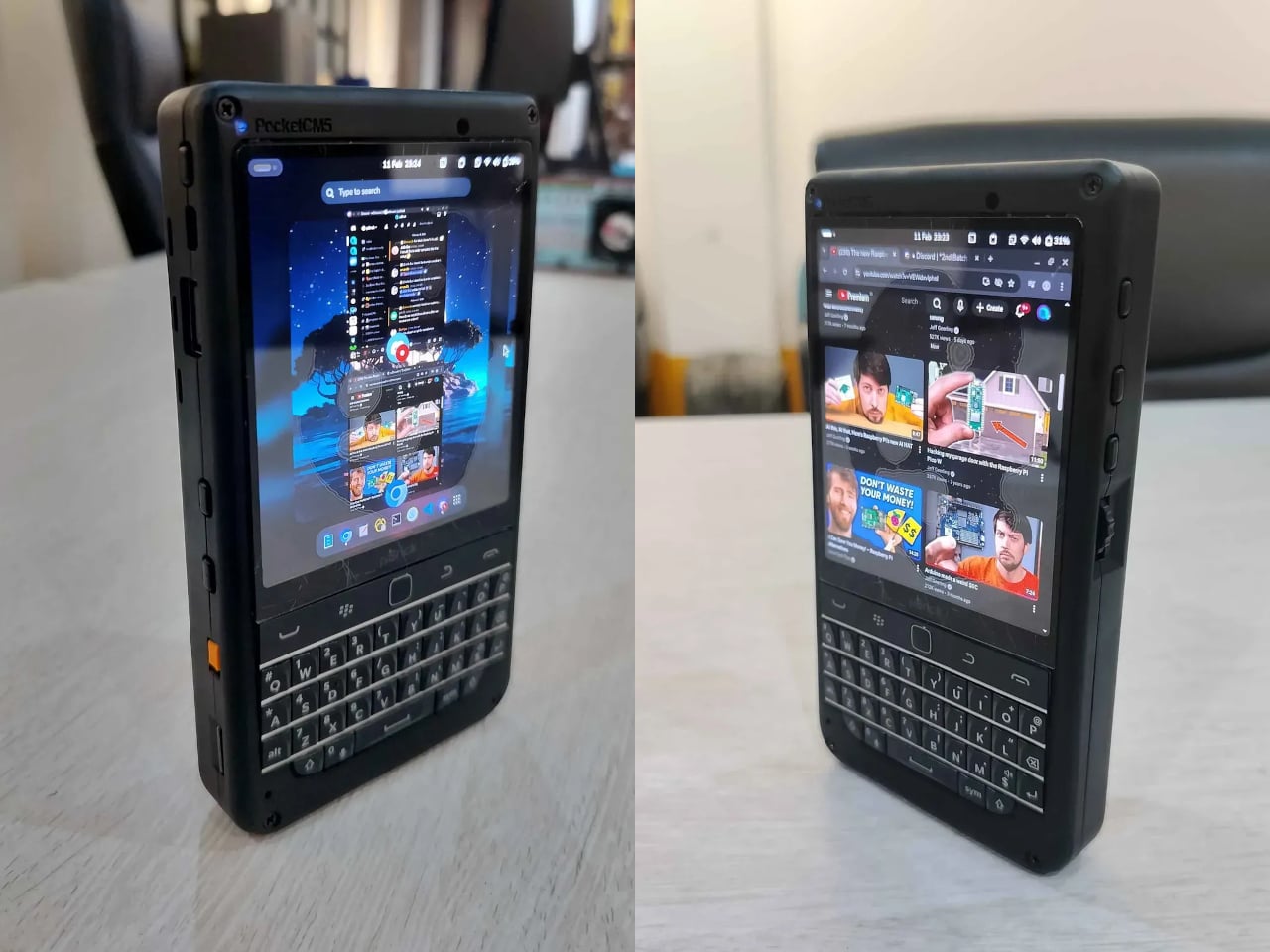
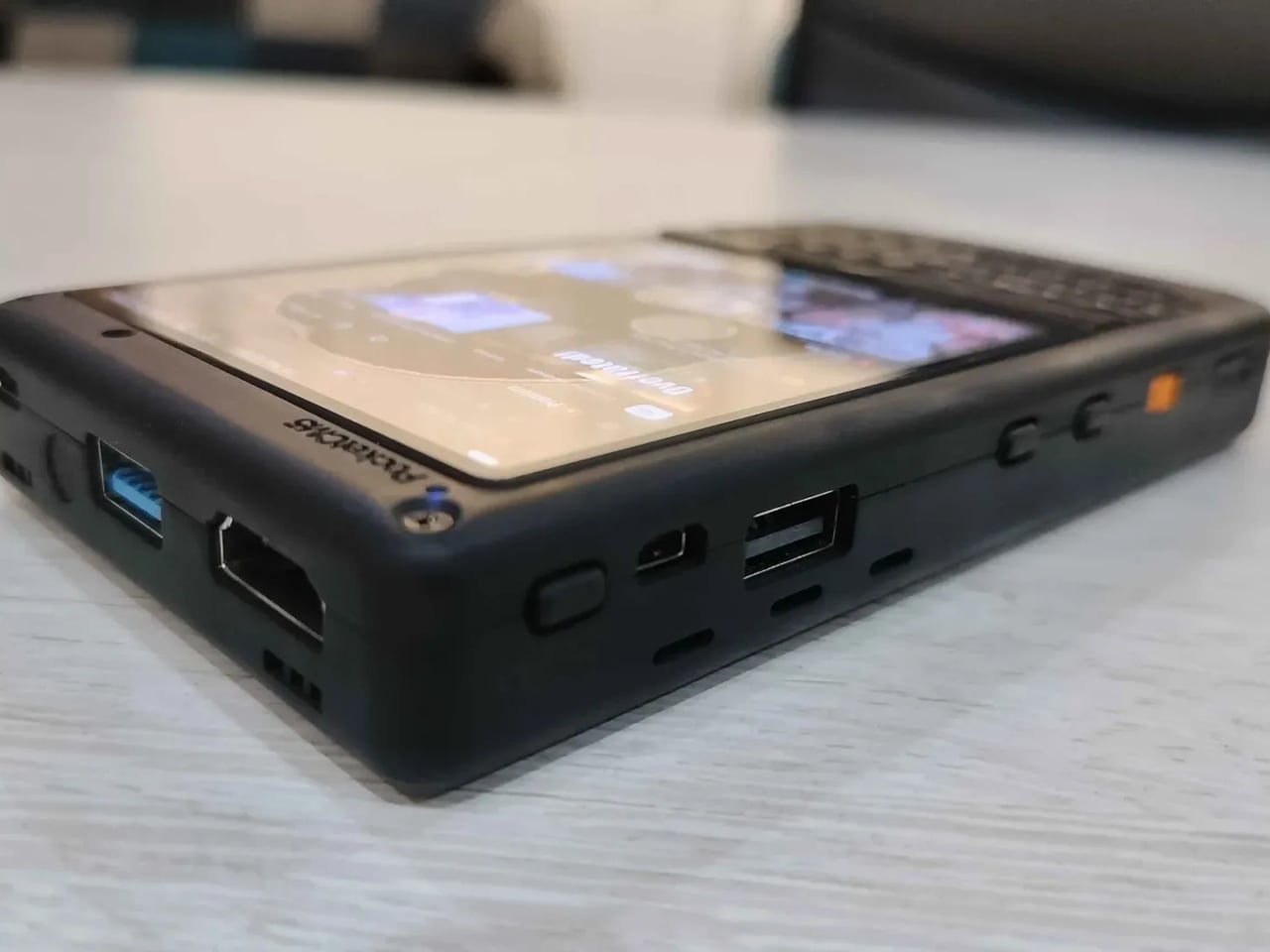
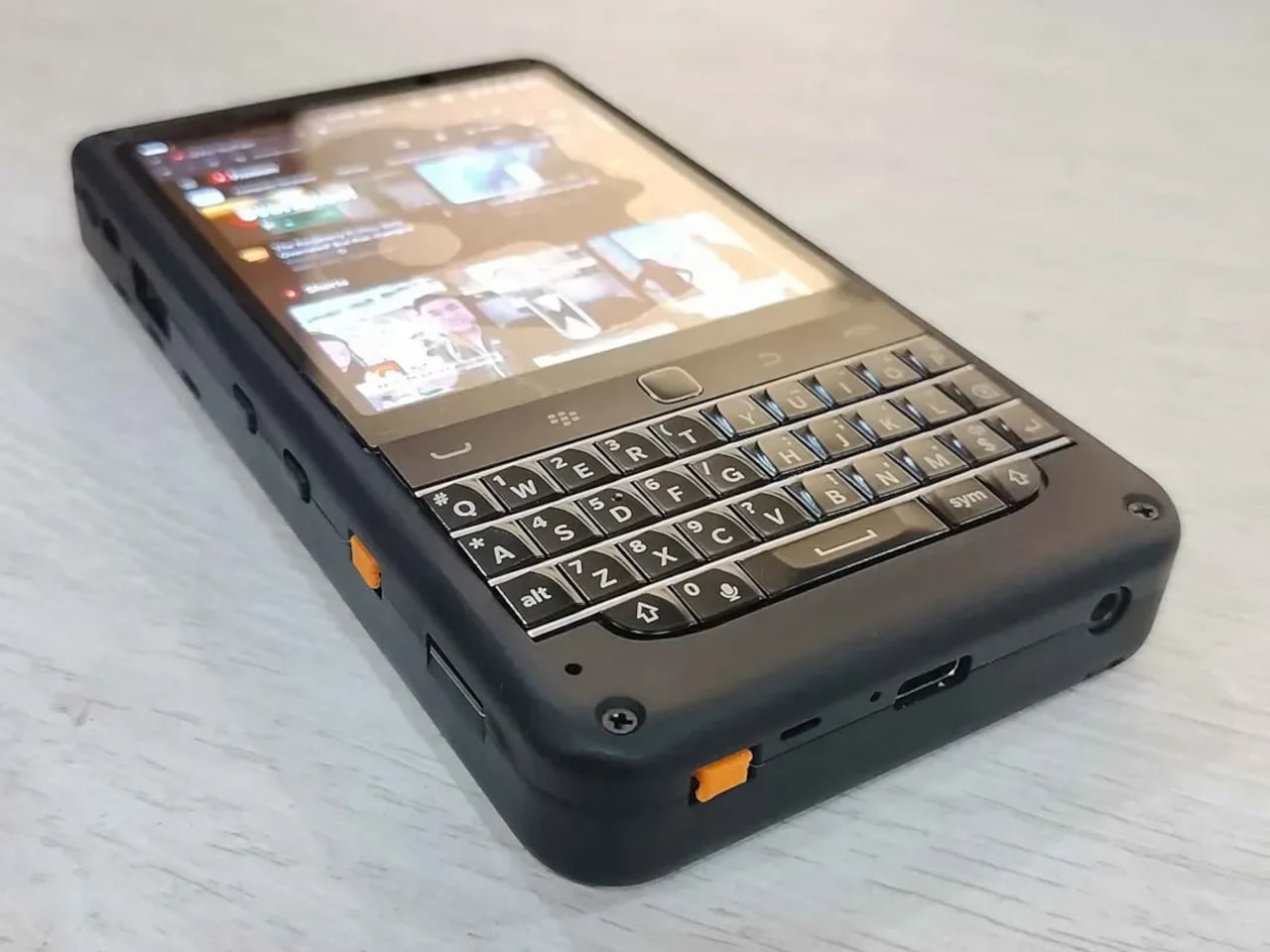
The piBrick Pocket-CM5 is the size of a smartphone and runs a full Linux desktop. Built from a custom PCB, a 3D-printed shell, and an open-source parts list that totals $172, it arrives at 80mm × 145mm × 19.6mm with a 3.92-inch AMOLED display running at 1080×1240 pixels, 90Hz, and 560 nits of brightness. A BBQ20 BlackBerry-style keyboard sits on the face, complete with an integrated trackpad, rotary encoders on the sides, and five user-programmable buttons. Asahi Tempered Glass covers the display, and a 5,000mAh battery keeps everything running without a desk.
The feature that makes it genuinely surprising lives in the USB stack. Plugging the piBrick into any external computer or server activates USB-HID mode, turning its keyboard and trackpad into a fully standalone input device, independent of the Linux system running underneath. A sysadmin arrives at a server rack without a spare keyboard. The piBrick already is one. Full-size and micro-HDMI outputs let the same device drive an external display. NVMe SSD support in 2230 and 2242 formats adds real storage headroom.
What we like
- A full Linux machine that moonlights as a USB keyboard for any device on earth — two completely distinct, genuinely useful capabilities in smartphone dimensions
- Built for significantly less than a budget phone, with an open-source design that belongs to anyone who wants to build on it
What we dislike
- Building the piBrick requires sourcing parts and assembling the hardware yourself, which puts it out of reach for anyone not comfortable with a soldering iron
- The $172 figure is the parts cost floor, not a retail price — the full build investment in time and effort needs to be factored in
2. OrigamiSwift Mouse


Horace Lam designed the OrigamiSwift around a single constraint: a Bluetooth mouse that collapses small enough to carry without thinking about it. Folded, it measures 0.18 inches thick and weighs 40 grams, lighter than most pens. Open, it becomes a full-sized working mouse in under half a second. The origami-inspired triangular structure gives the folded form real rigidity, so it holds its shape through actual work sessions rather than shifting on the desk after the first hour. The soft-click buttons keep things quiet in shared spaces, which turns out to be something you notice immediately.
The internals match the ambition of the form. A 4,000 CPI HD infrared sensor tracks at up to 4,000 frames per second, Bluetooth 5.2 pairs across Mac, Windows, Android, and iPadOS within a 32.8-foot wireless range, and a single USB-C charge delivers up to three months of use. That last figure is the one worth sitting with. Most wireless mice need charging every few weeks. The OrigamiSwift needs it roughly once a season.
What we like
- Folds to 0.18 inches thick and weighs 40 grams — small enough to forget it’s in a bag until you actually need it
- Three months of battery life on a single USB-C charge, which makes every other wireless mouse feel like a maintenance obligation
What we dislike
- Stock is limited at the time of writing, so availability may not line up with gift timing
- The 4,000 CPI ceiling may feel restrictive for anyone whose work involves precision-heavy creative or illustration workflows
3. Xiaomi UltraThin Magnetic Power Bank
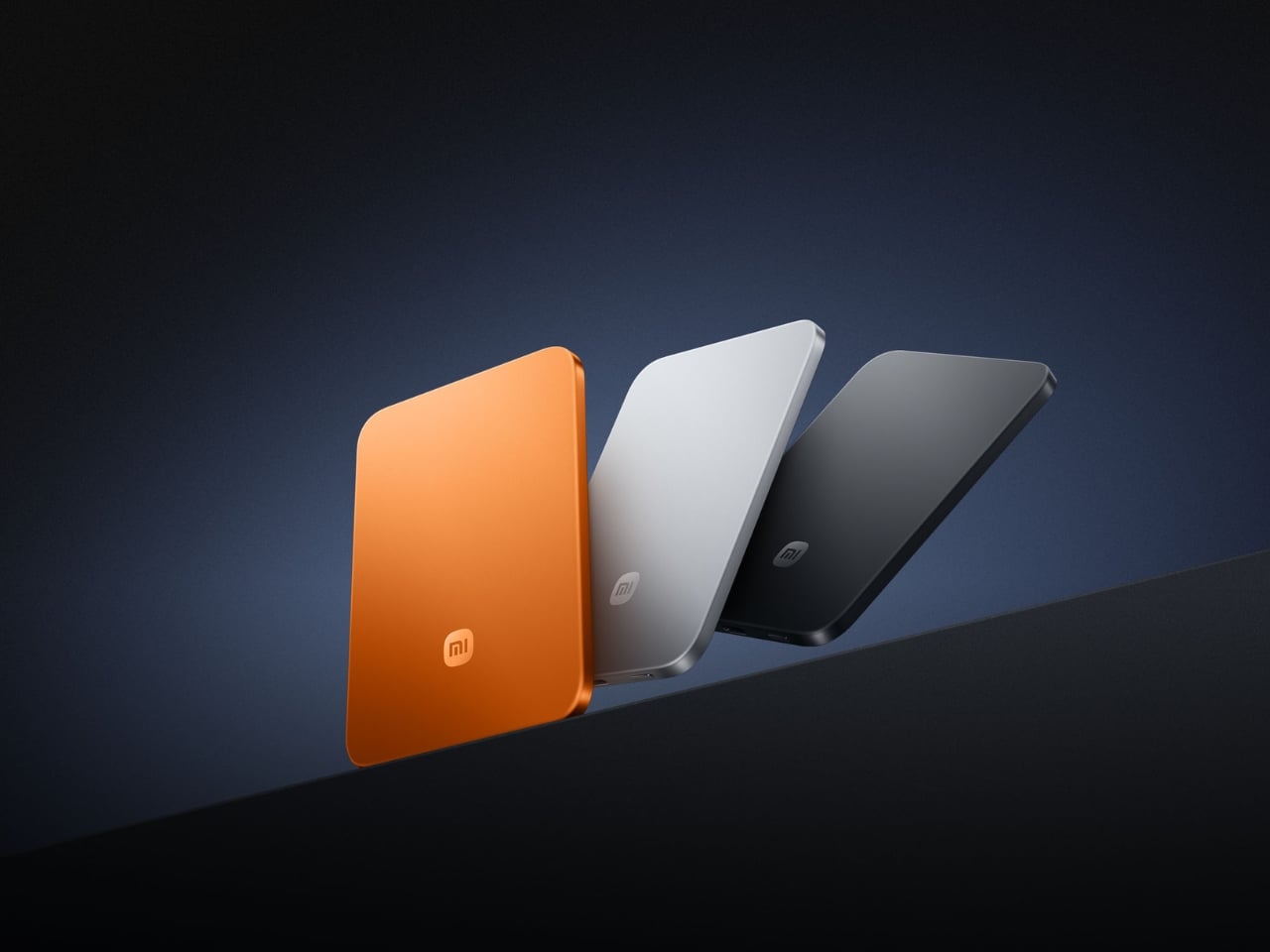
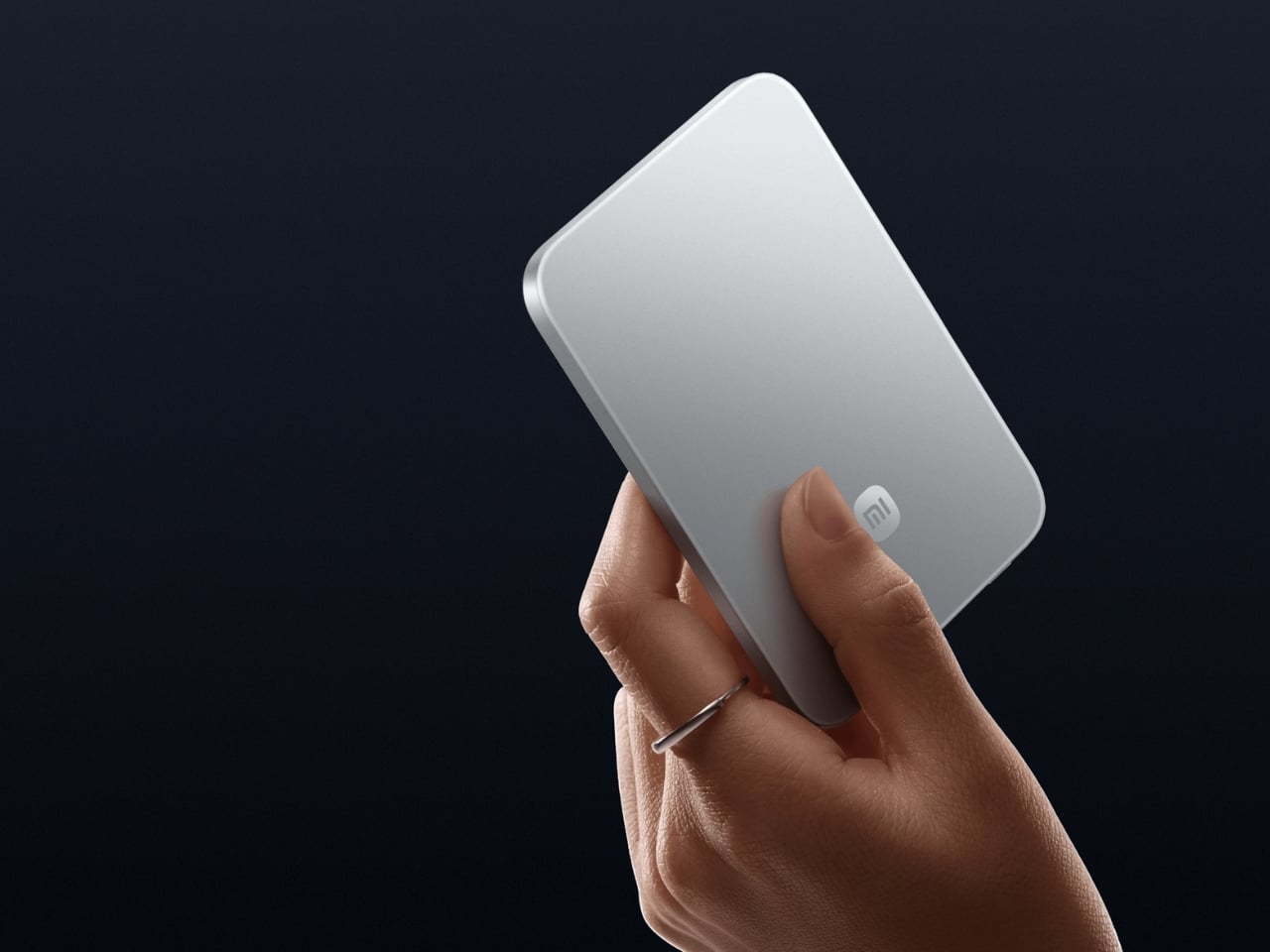
The power bank category has been stuck in the same design rut for a decade. Bigger capacities, same uninspired bricks. Xiaomi broke that logic at MWC 2026 in Barcelona with a magnetic power bank measuring 6mm thick, thinner than any current smartphone on the market, including the iPhone 17. The 5,000mAh capacity is made possible by silicon-carbon battery chemistry with 16% silicon content, the same material science pushing next-generation electric vehicle batteries into smaller form factors. It weighs 98 grams. The aluminum alloy shell has a photolithographically etched logo on the back, and the phone-facing surface uses fire-resistant fiberglass with an excimer coating for heat management.
Wireless charging tops out at 15W when paired with the Xiaomi 17 series and 7.5W for iPhones via MagSafe. A USB-C port pushes 22.5W wired, and the bank charges two devices simultaneously. Ten layers of protection cover overvoltage, overcurrent, overheating, and short circuits, with dual NTC temperature sensors monitoring heat in real time.
What we like
- At 6mm and 98 grams, it snaps magnetically to the back of a phone and disappears there — the first power bank in the category to make you genuinely forget you’re carrying one
- Silicon-carbon battery chemistry packs 5,000mAh into a profile that has no business fitting that much capacity
What we dislike
- The 7.5W cap on iPhones is an Apple MagSafe restriction rather than a Xiaomi design choice, but it still stings
- US buyers will need to source it internationally for now, as domestic availability is unconfirmed at the time of writing
4. Huion Note E
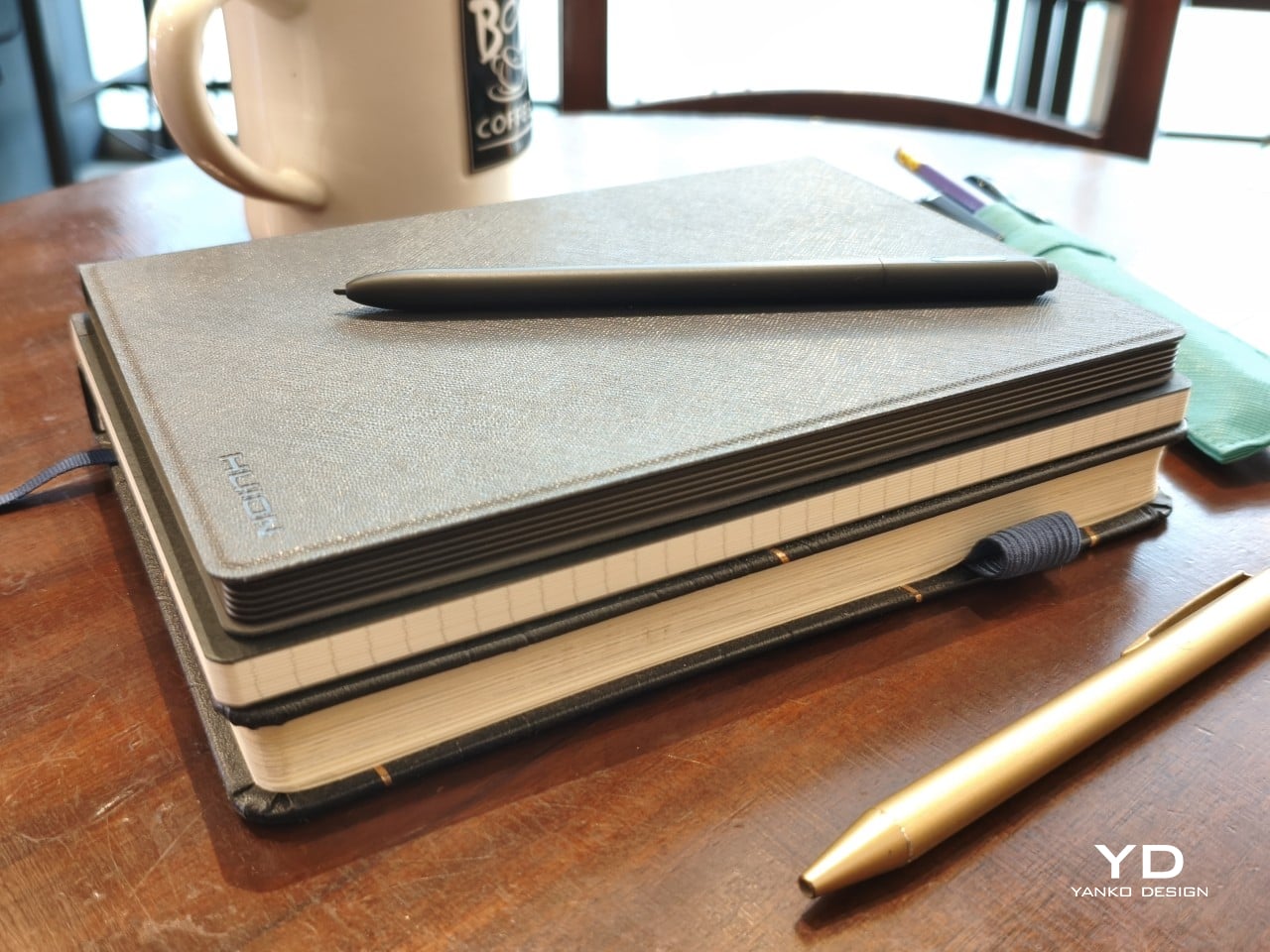

Huion built the Note E to pass as a paper notebook from any angle. The sides are rigid to mimic the page block of a bound journal. The cover is PU leather with a felt lining on the inside. At exactly A5 proportions and 348 grams without the cover, it is the size and weight of an 80-page notebook. The 8.4-inch laminated LCD screen uses anti-glare nano-etching that Huion’s own reviewer describes as writing on smooth Japanese paper, with DC dimming over PWM to reduce the eye strain that builds across a long writing session. Turning it to the side, nothing about it reads as electronic.
What genuinely separates it from every other stylus tablet is a feature buried in the note-taking app. The Note E records audio while you write. Play it back later and the recording advances in sync with your handwriting reappearing on screen, line by line, exactly as it was written. Every word is anchored to the sound in the room at the moment it landed on the page. The included PW510 stylus is battery-free, offers 8,192 levels of pressure sensitivity with tilt support, and attaches magnetically to the side of the device.
What we like
- The audio-sync playback turns any page of notes into a timestamped recording — you can replay exactly what was being said in the room at the moment each line was written
- The battery-free PW510 stylus with 8,192 levels of pressure sensitivity is included, alongside a cover that genuinely looks like a premium leather journal
What we dislike
- No microSD expansion means 128GB is the ceiling, which fills up faster than expected once drawing files enter the picture
- The cover attachment mechanism feels less robust than a product at this price point should, with prongs that require a specific sliding motion to engage
5. MorningBlues SonicGlass A1

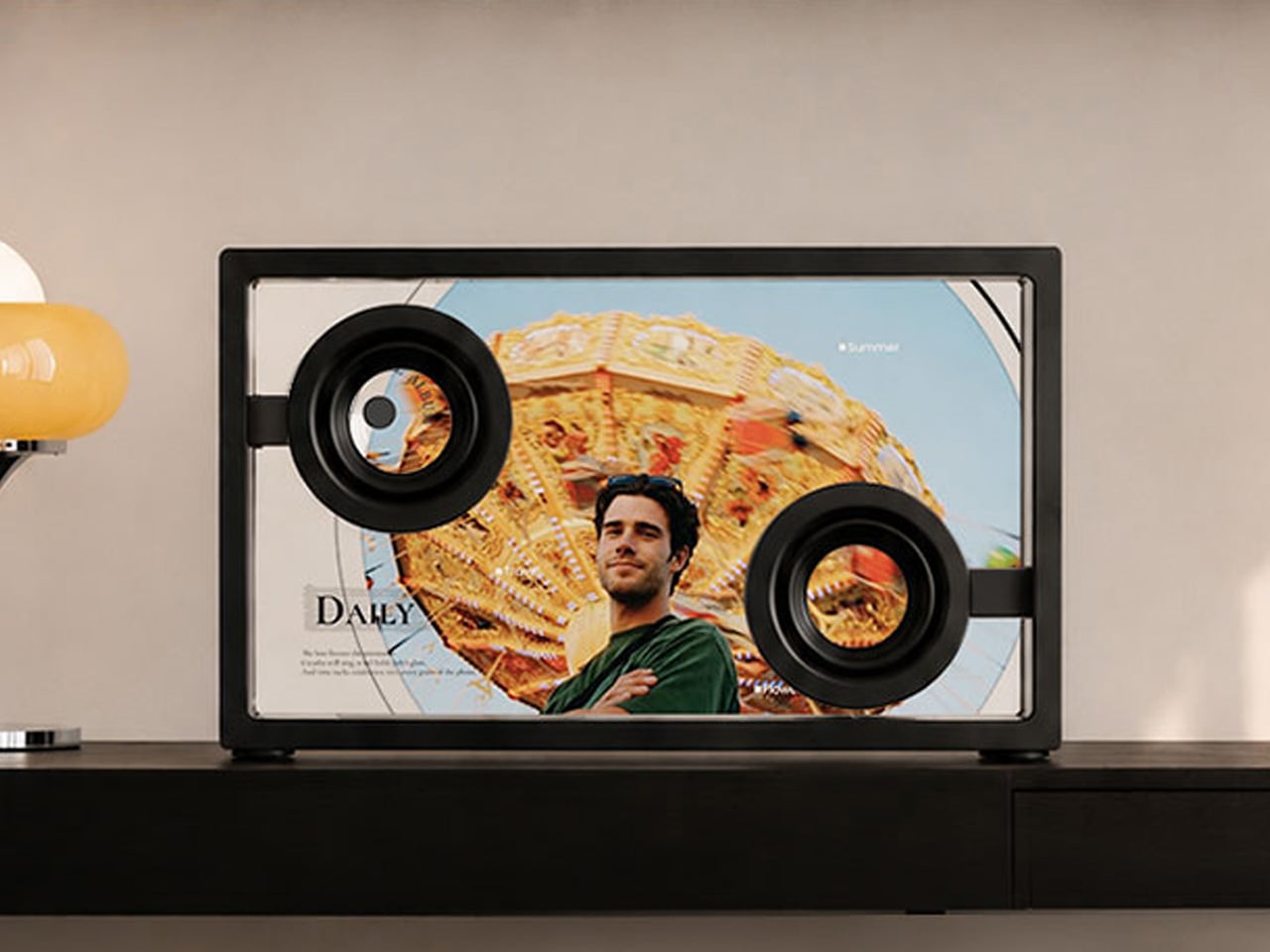
The MorningBlues SonicGlass A1 is a speaker most home audio brands would not have the confidence to make. The front face is a 21.5-inch TFT panel with over 90% light transmission, framed in black with the driver sitting fully visible behind the glass. When a song plays, licensed lyrics appear across the transparent surface in motion styles tuned to the track’s emotional character, a feature called MoodLyric, trained on hundreds of millions of playbacks with all lyrics licensed through LyricFind to properly credit the artists. The driver is not hidden. The mechanics are not disguised. The whole object is designed to be looked at.
A second layer called SceneSync generates AI visuals in real time matched to the genre playing, with pop, hip-hop, R&B, and rock each triggering distinct visual aesthetics on the glass. When the music stops, it shifts to ambient room mode: rotating backgrounds, a dynamic clock face, or an ASMR sleep display for winding down. A microphone turns it into a karaoke setup with live scrolling lyrics. The MorningBlues Music Hub 1 controller handles playback without involving a phone.
What we like
- A transparent 21.5-inch display that animates licensed lyrics while the music plays and becomes ambient room art when it stops — the speaker category has needed something this committed to its own idea for a long time
- SceneSync and MoodLyric together mean the visual experience is never the same twice, tuned in real time to the genre and emotional character of whatever is playing
What we dislike
- At $646, the price is a meaningful ask for a product that hasn’t shipped yet
The Best Gifts Don’t Improve on What He Already Has – They Make Him Rethink the Category
What makes each of these worth picking is that none of them are better versions of something he already owns. The piBrick isn’t a better mini PC. The OrigamiSwift isn’t a better travel mouse. The Xiaomi power bank isn’t a higher-capacity brick. Each one rethinks the category assumption from the ground up, which is the only kind of product that genuinely surprises someone who already knows the market well and has largely stopped being surprised by it.
The price range runs from $85 to $646, which means there’s a real pick at every budget with no filler option anywhere in the list. Whether it’s the SonicGlass as the room’s defining object or the piBrick as the most interesting thing in a bag, each earns its place the way the best gifts do — by being something the person would never have bought for himself, but won’t want to give back.
The post The 5 Best Tech Gifts for the Guy Who Thinks He’s Already Seen Everything in 2026 first appeared on Yanko Design.